

















Skip to content

OBMI — 90 Years

Origin1908–1936
Signature1941–1959
Discipline1960-1979
Venture1980–1998
Horizon1998–2006
Resilience2007–2011
Ascent2015–2018
Adapt2019–2021
Momentum2022–2025
Renewal2026 ∞

Nine decades ago, an idea took root in Bermuda. It has since crossed oceans, weathered storms, gathered momentum, and kept reaching toward new horizons, decade after decade, establishing itself as a global practice elevating life by design.
This is a journey of people, practice and place.

Scroll

Origin: An architect is born, and so is OBMI

1908–1936

By the time Wilfred Onions (Somerset, Bermuda, 1908) turns twenty-seven, he has already survived three brushes with death and found his life-long passion: architecture.
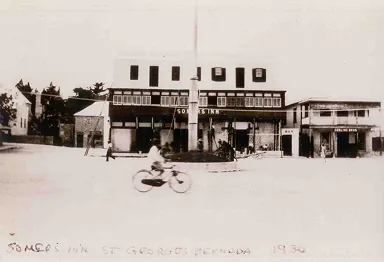
Somerset, St Georges, Bermuda 1930
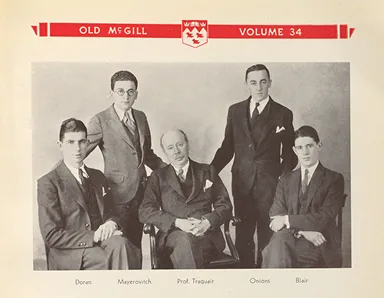
McGill Architecture Society, 1931 with Onions as its secretary and Professor Traquair, his mentor.
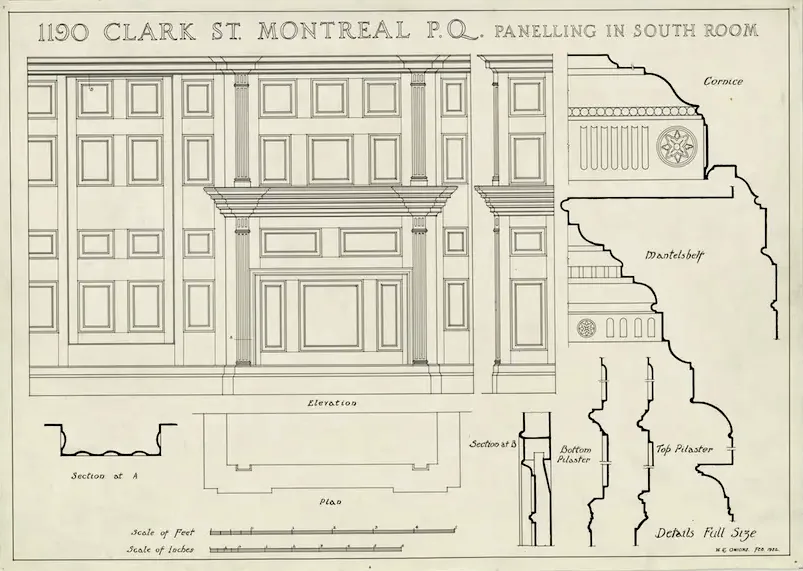
A signed, meticulously measured drawing of a heritage building by Onions, 1931

He meets Valmer Dudley Bouchard in 1932 as both study at McGill University in Montreal, and their friendship becomes a partnership in 1936. Three years into the Great Depression and three years before the world goes to war, they open Onions & Bouchard in Bermuda.


Wilfred Onions' signature
Valmer Dudley Bouchard's signature

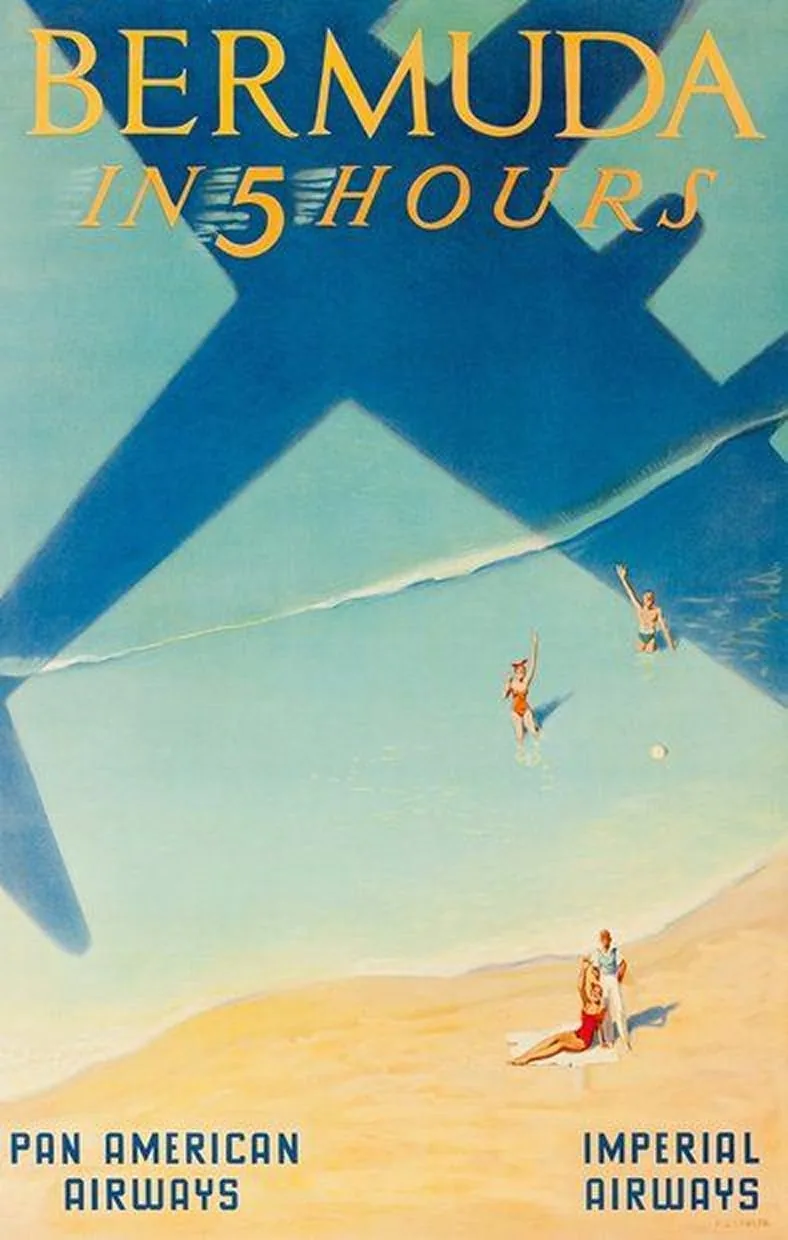
In 1933, Pan American begins commercial flights between New York and Hamilton, and the island starts to unfurl itself as a destination.
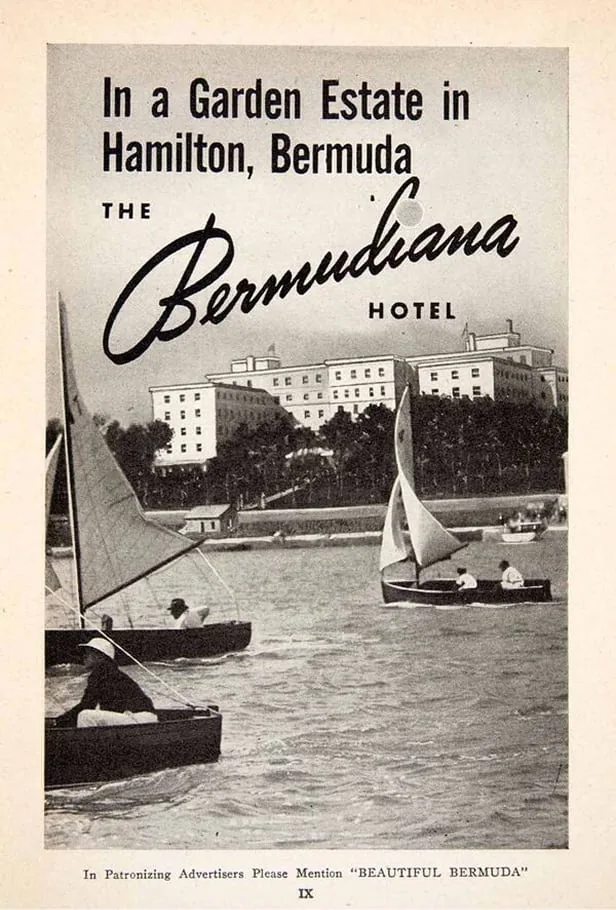
Advertisement for The Bermudiana Hotel, in a garden estate in Hamilton, Bermuda
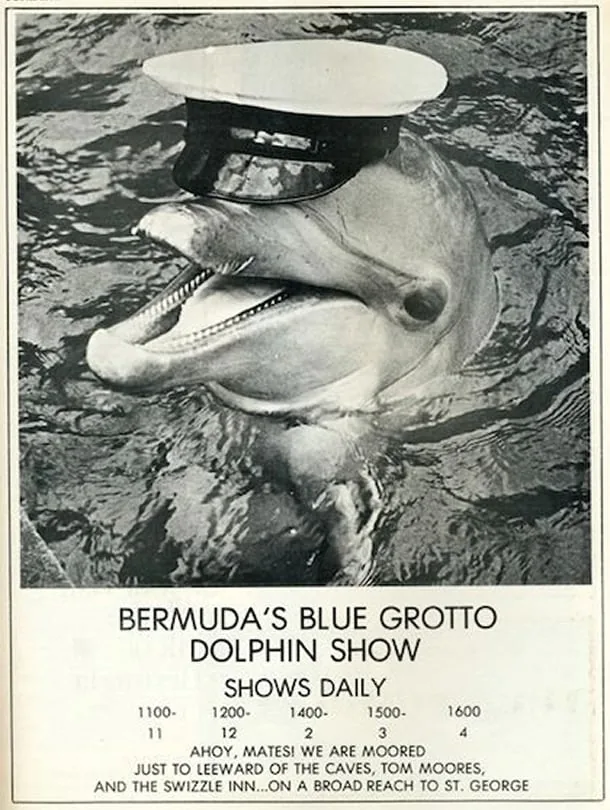
Advertisement for Bermuda's Blue Grotto Dolphin Show
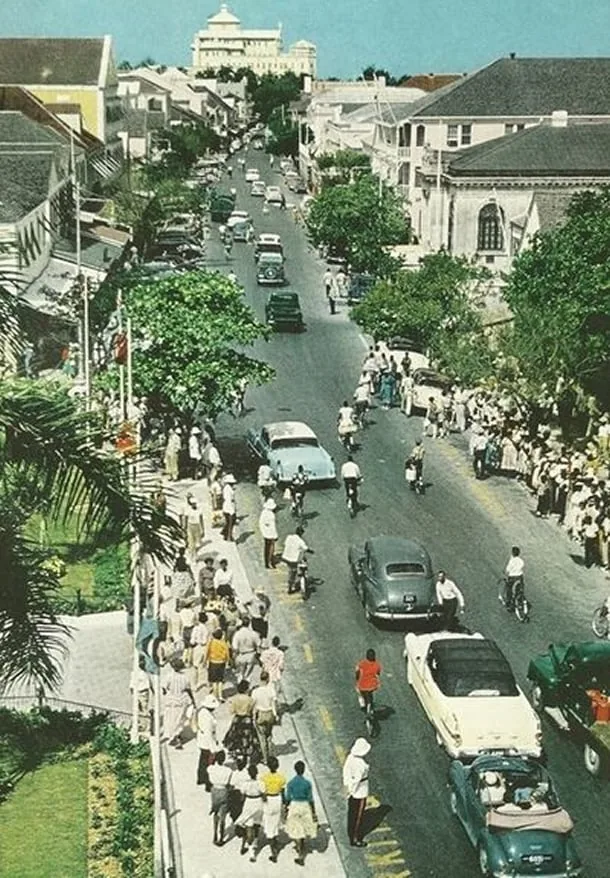
Front Street, Hamilton, lined with cars and cyclists
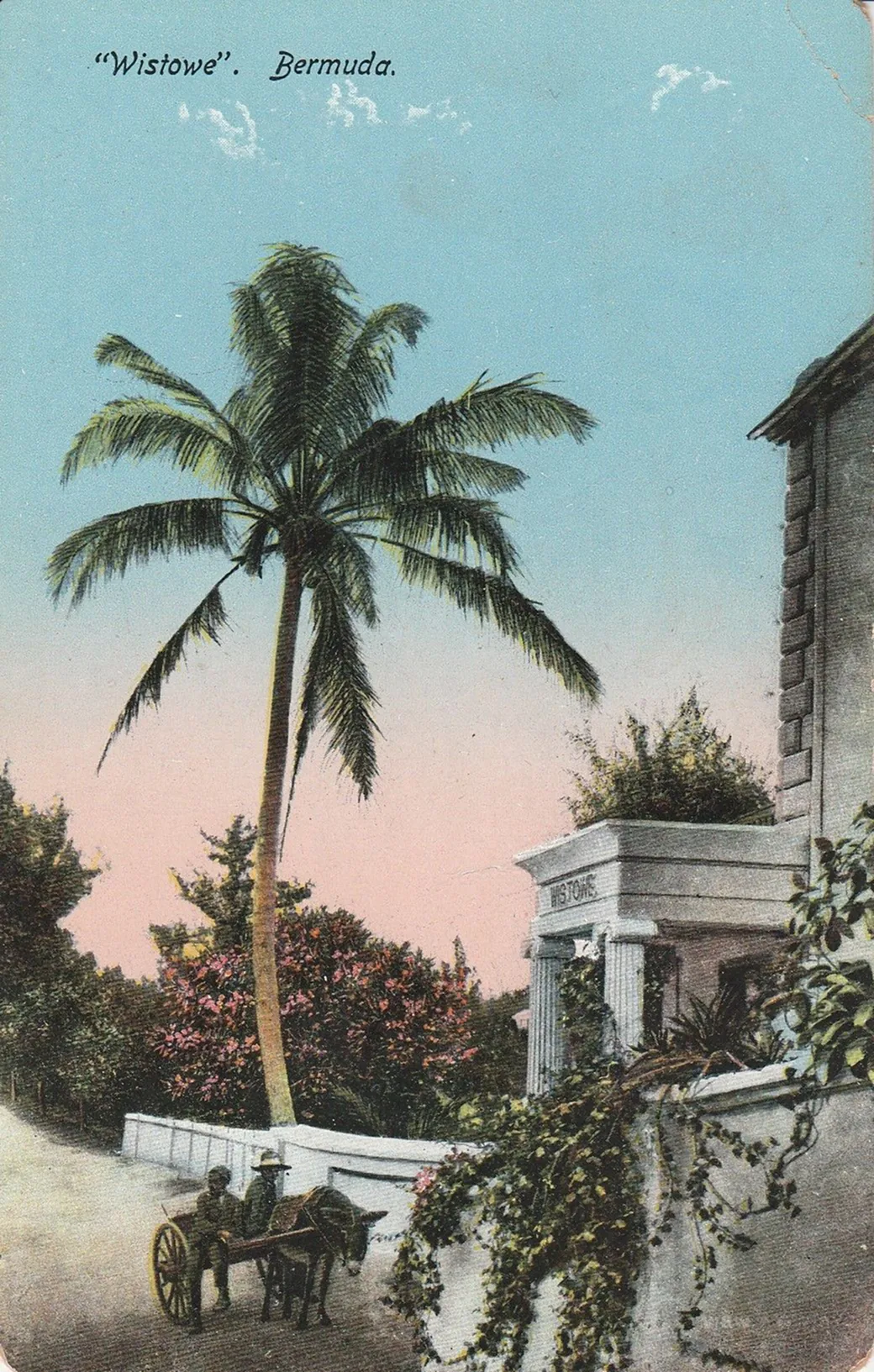
Hand-tinted postcard of “Wistowe”, Bermuda, a palm over a garden wall

Signature: The Bermuda Style

1941–1959

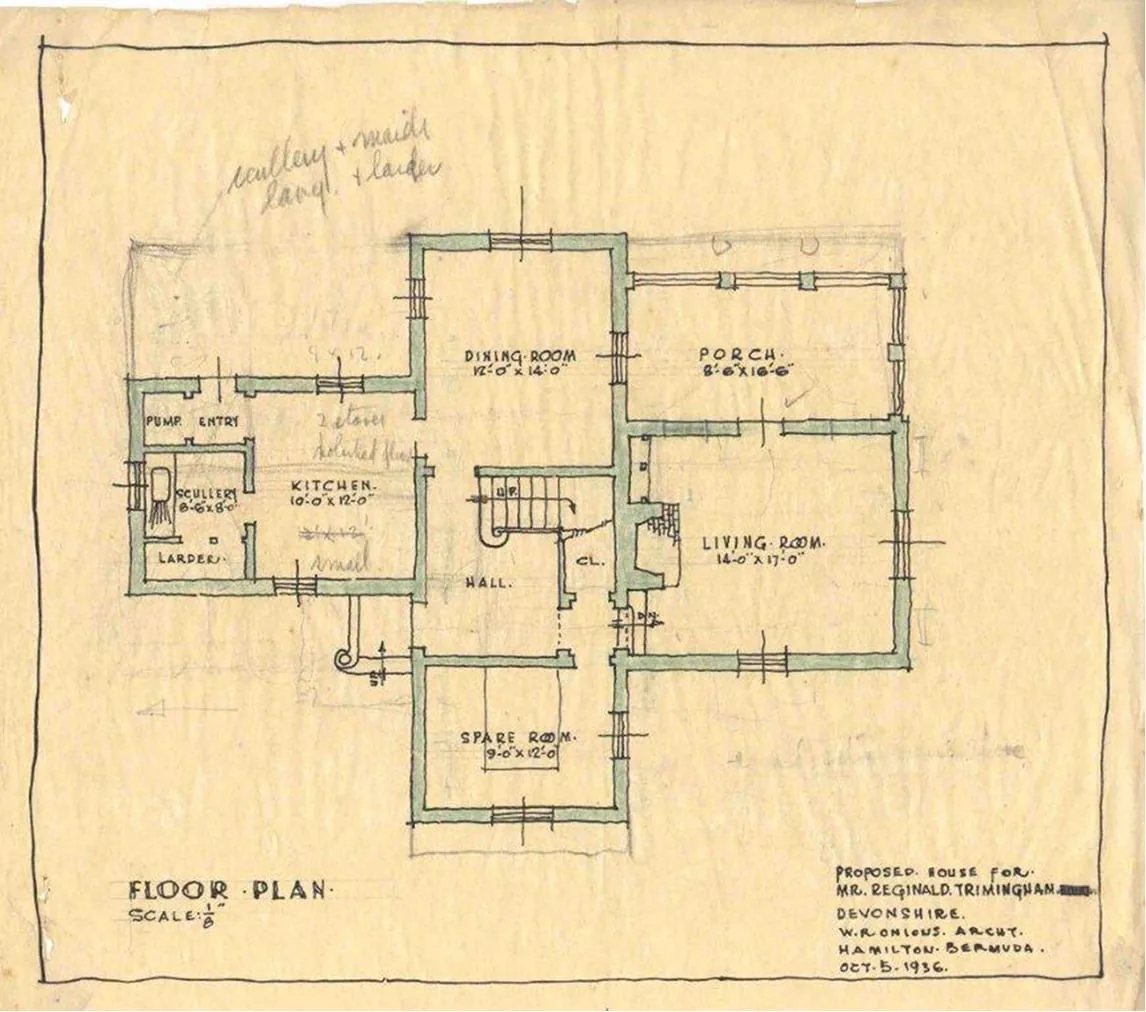
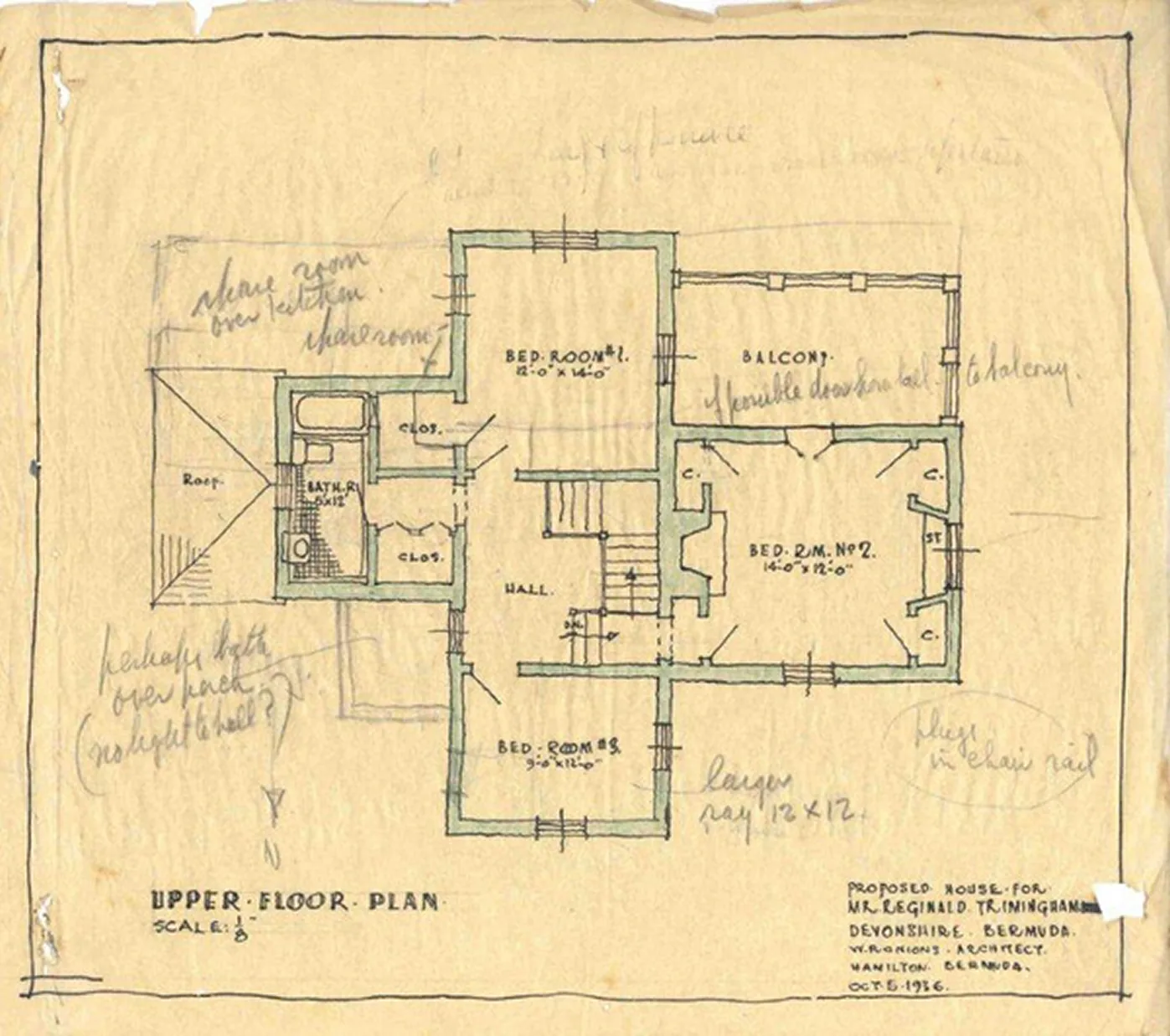
Floor plan for a proposed house in Devonshire — W.R. Onions, architect, 1936
Upper floor plan for the same house — W.R. Onions, architect, 1936
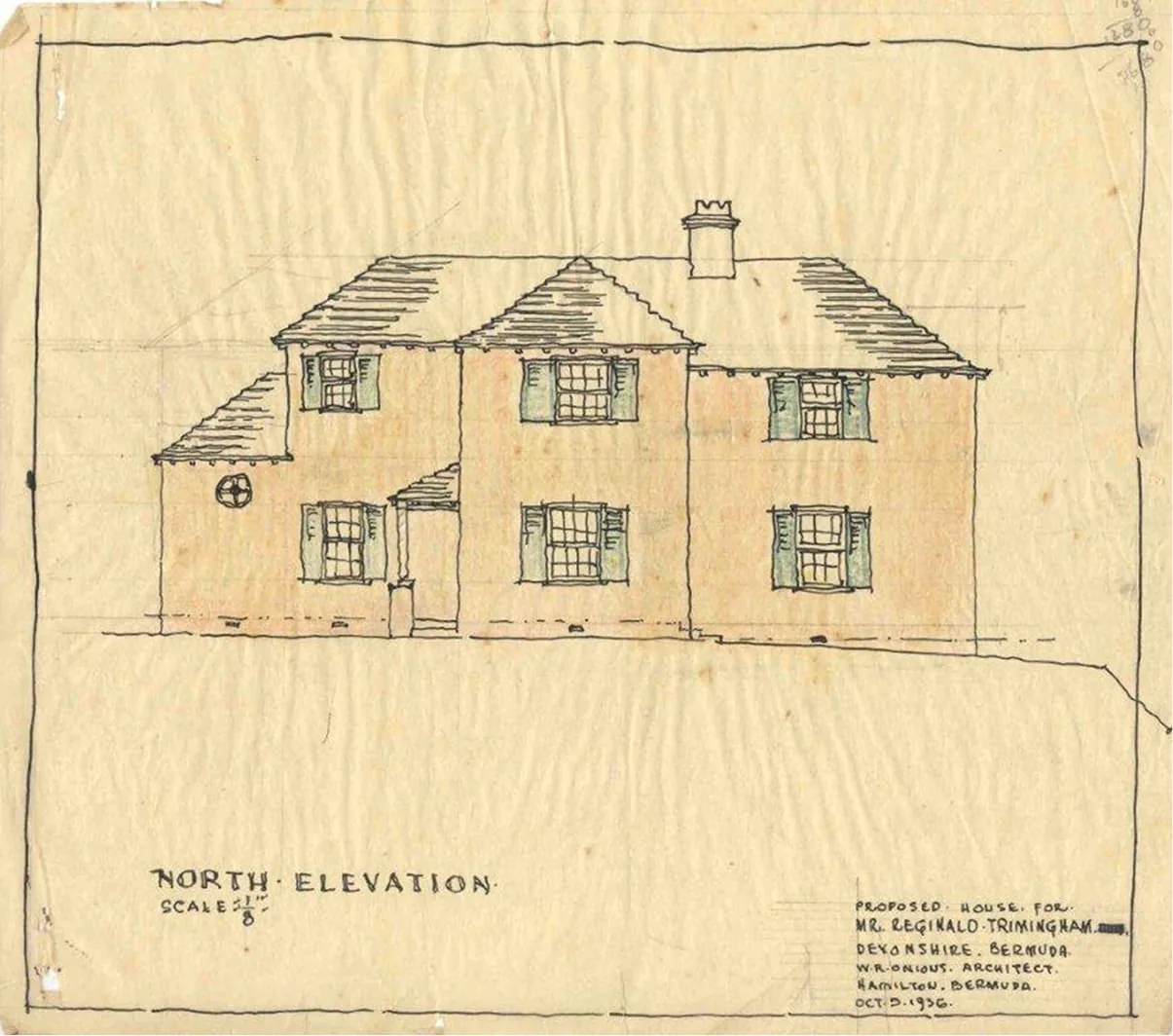
North elevation for the same house — W.R. Onions, architect, 1936

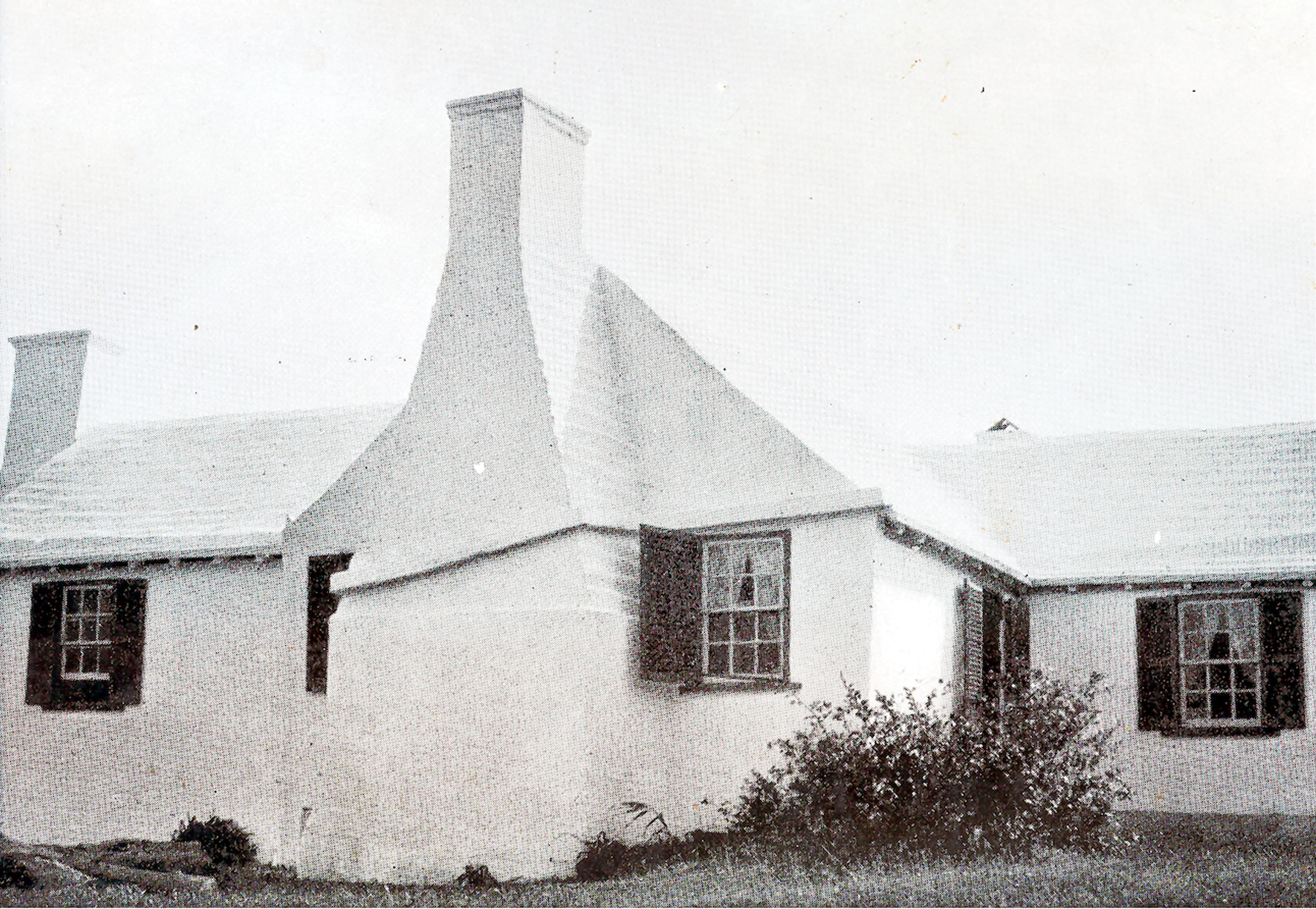
The war divides the two founders across the Atlantic. While Onions spends his time repairing buildings in England, Bouchard stays in Bermuda, consulting with the Department of Public Works and the US Navy on military base construction. They reunite in Bermuda and through the 1950s, they reinvent the traditional Bermuda cottage into what becomes an internationally recognised vernacular, building in cedar and local stone.

A traditional Bermuda cottage, photographed in black and white
Ink sketch of the same Bermuda cottage
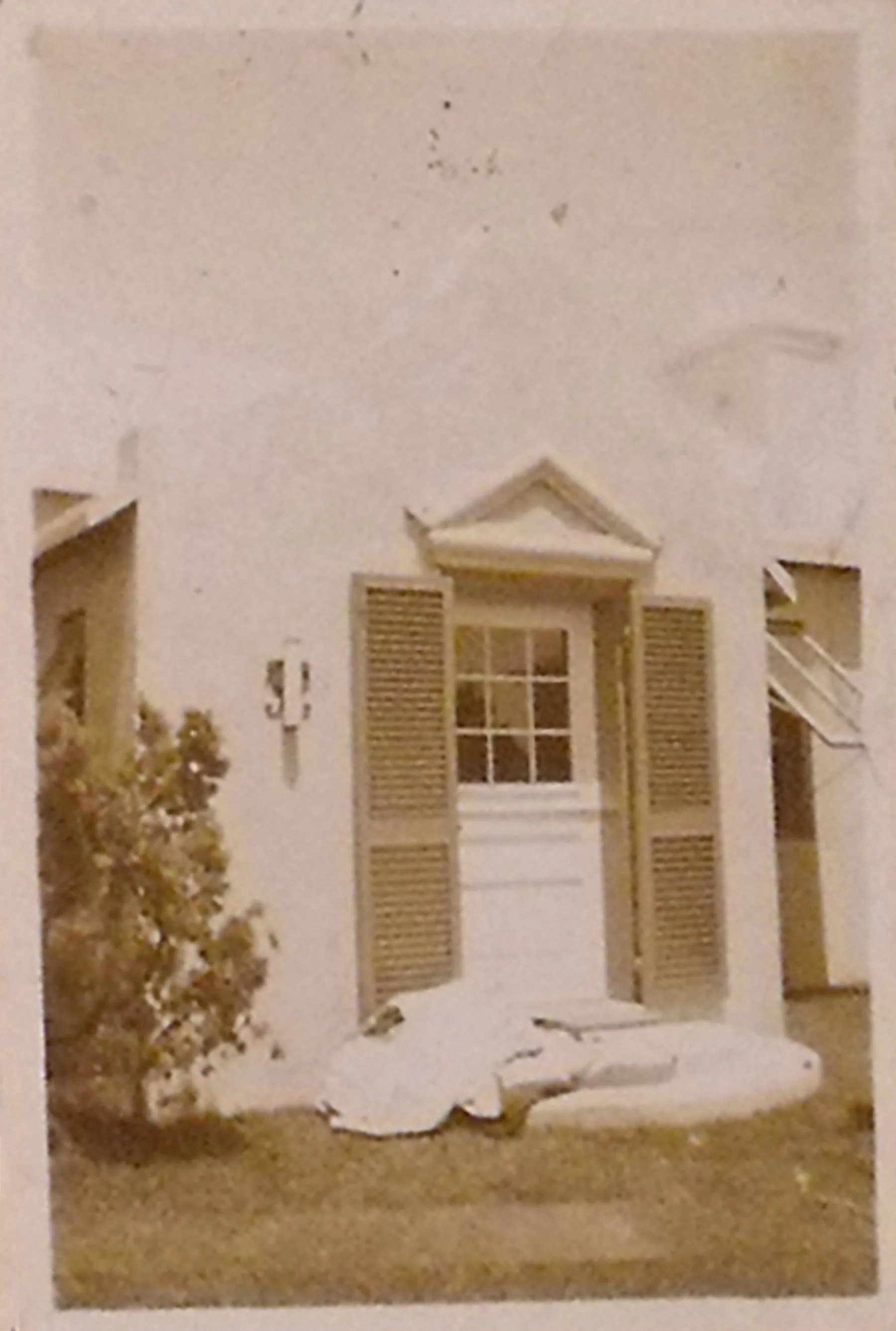
Detail photograph of a Bermuda cottage doorway
A traditional Bermuda cottage, photographed in black and white
Ink sketch of the same Bermuda cottage

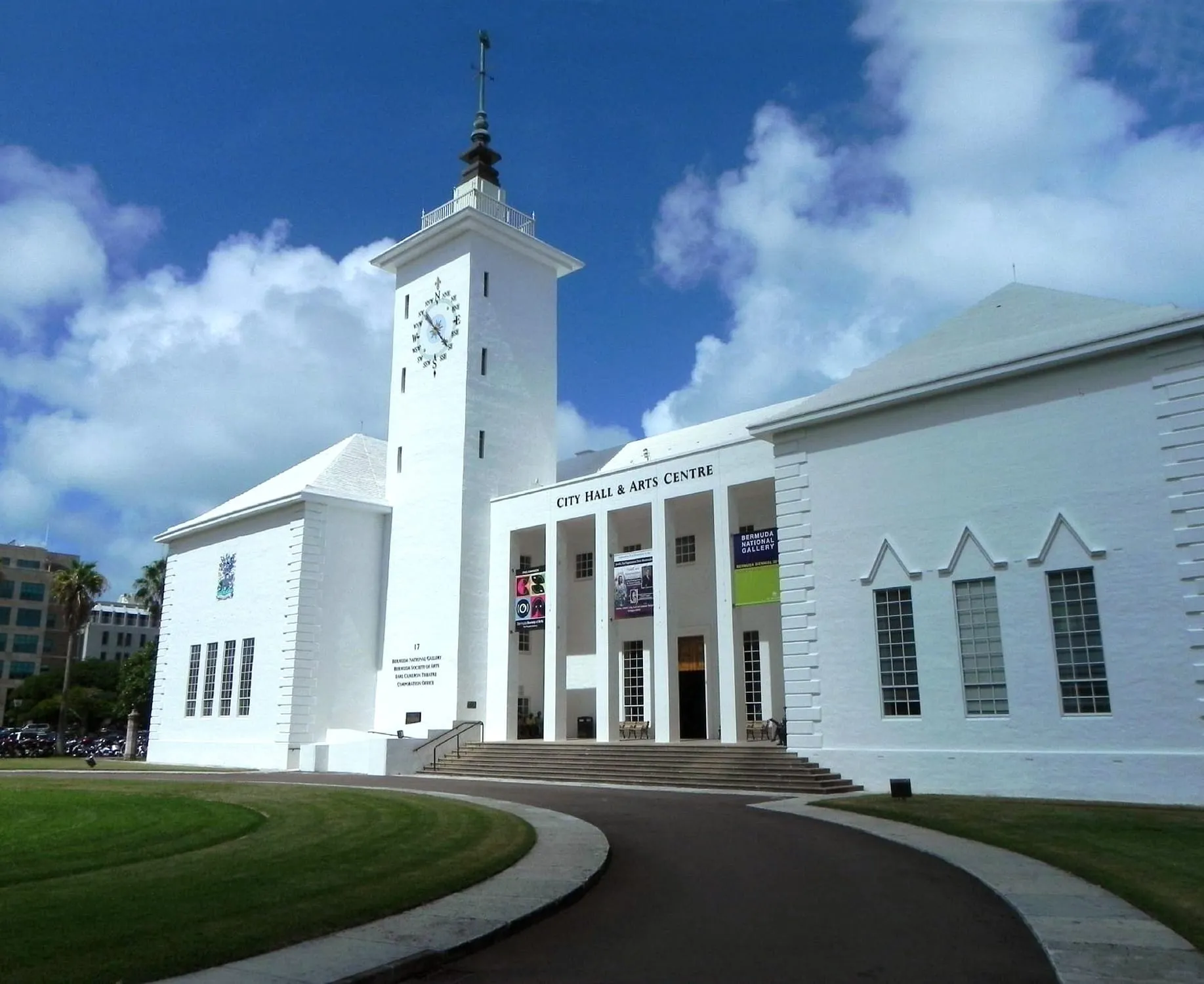
In 1953 John McCulloch knocks on Onions & Bouchard's door, becoming the M in OBMI. In 1955, Onions designs Hamilton City Hall, which becomes the capital's crown jewel, and the partnership works with the Bermuda government to draft planning regulations protecting coastlines and marine habitats, codes that go on to serve as blueprints across the Caribbean.

Study sketch for Hamilton City Hall — pencil on paper

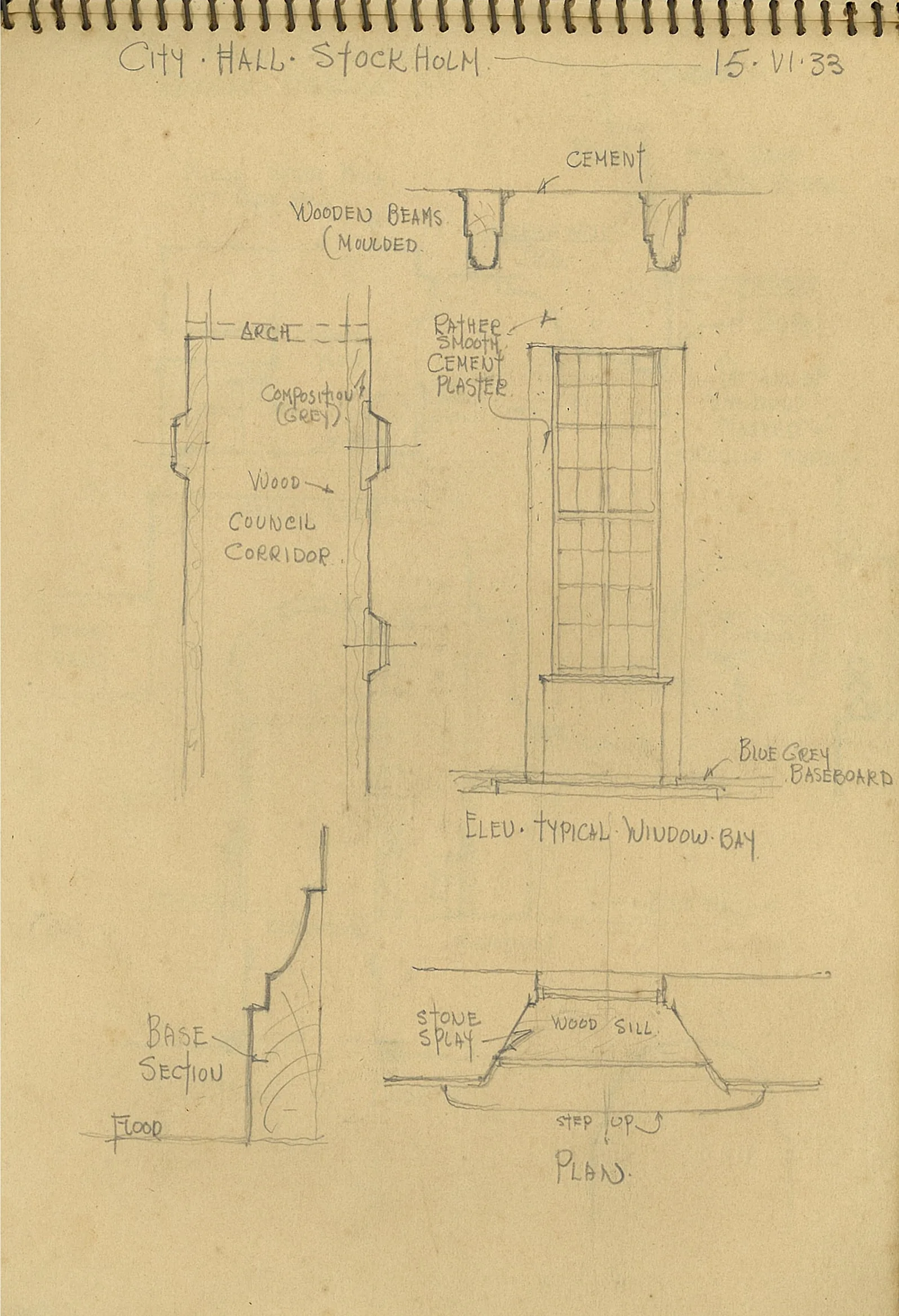
The Stockholm watercolour

Designing Hamilton City Hall in the 1950s, Onions returned to a building he had sketched in watercolour during his European travels twenty years earlier: Ragnar Östberg's Stockholm City Hall. The two buildings share more than a silhouette. Each tower carries its own wind vane: three gold Swedish crowns in Stockholm, a ship in full sail in Hamilton.

Hamilton City Hall's forgotten patron

Hamilton City Hall was funded by a woman most visitors have never heard of. Catherine Browne Tucker left the residue of her estate to the Corporation of Hamilton in her will, to be used for a new city hall as a memorial to her father. The money was held in trust from 1935, grew through two decades of investment, and the site was only agreed in September 1956. By the time Onions began designing, the building had already been waiting twenty years to exist.

Hamilton City Hall, its white tower over the fountain gardens
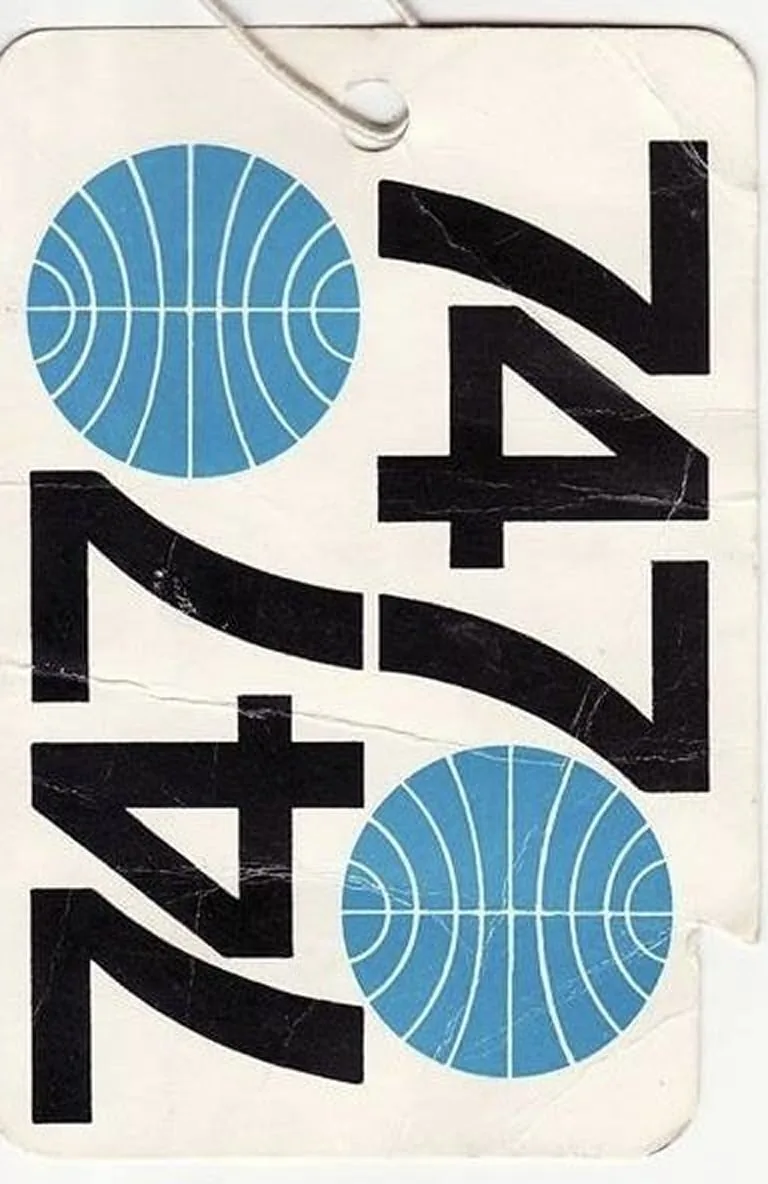
Boeing 747 advertisement
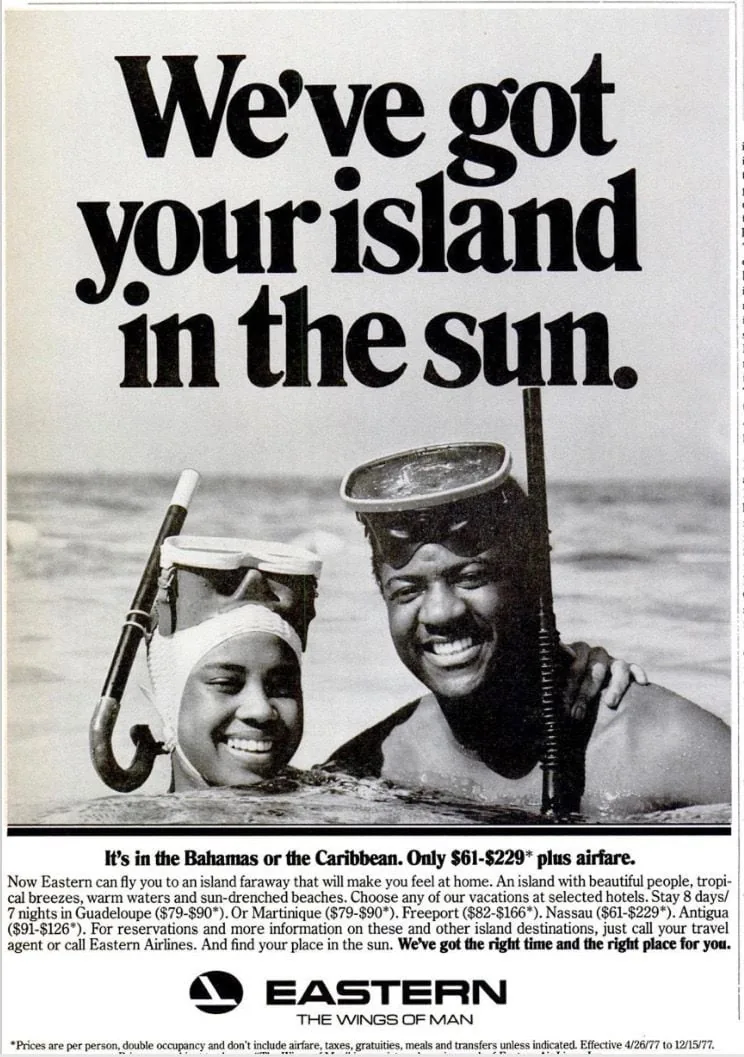
“We've got your island in the sun” airline advertisement
Bermuda tourism poster
Airline brochure for Bermuda routes

The first commercial jet service begins in 1958, bringing Bermuda hours (not days) from New York and London, starting an unprecedented tourism boom for the island.

Discipline: Through hardship and expansion

1960-1979

Onions passes away in 1959 and twenty years later, so does Bouchard.

McCulloch steps forward to lead OBMI, holding consistent standards across every studio, which he politely enforces with his notorious red felt marker.

Jamaica and Trinidad & Tobago become independent in 1962, and over the following two decades most of the English-speaking Caribbean follows, so the question of what makes an authentic Caribbean architecture, beyond imported copies, becomes more relevant than ever. Thankfully, McCulloch had already been answering it for a decade.

He opens studios across the islands: BVI in 1967, Cayman in 1968, Turks & Caicos and St. Maarten in 1972, then Antigua in 1979, Trinidad and St Kitts.

OBMI becomes known for sustainable development as much as for beautiful buildings, weaving projects into the fabric of communities. Interior designers and landscape architects join in, and the practice spreads into further disciplines, beyond its founders' dreams.

Bermuda’s most prominent department store

In 1965, Onions, Bouchard and McCulloch redesigned the interiors of Trimingham's, Bermuda's most prominent department store. The brief was to modernise. Their answer was cedar tray ceilings, oversize carriage lamps and Bermudian shutter blinds — the same vernacular logic they had applied to cottages and city halls, now brought inside a shop on Reid Street.

Permission granted

On 14th November 1967, the Legislative Department of the Cayman Islands wrote to confirm that the Executive Council had approved permission for Onions, Bouchard & McCulloch of Hamilton, Bermuda, to open a branch studio in the Cayman Islands. The letter closed with a single line: "Council wishes the undertaking every success." It was the second Caribbean studio. There would be seven more.

Tortola, 1966

In 1966, John McCulloch made a private trip to Tortola and noticed something that surprised him: in a British sterling territory, you could cash a sterling cheque and receive US dollars without paying a premium. He went back to Bermuda, returned to Tortola with lawyers and an accountant, and opened an studio. There was not a single job lined up. "We were confident," he said later, "because there were so many people coming in and we could see the economy starting to boom." The Caribbean expansion that followed: nine studios across the islands over the next three decades, began with an observation made on holiday.

Venture: Beyond the islands

1980–1998

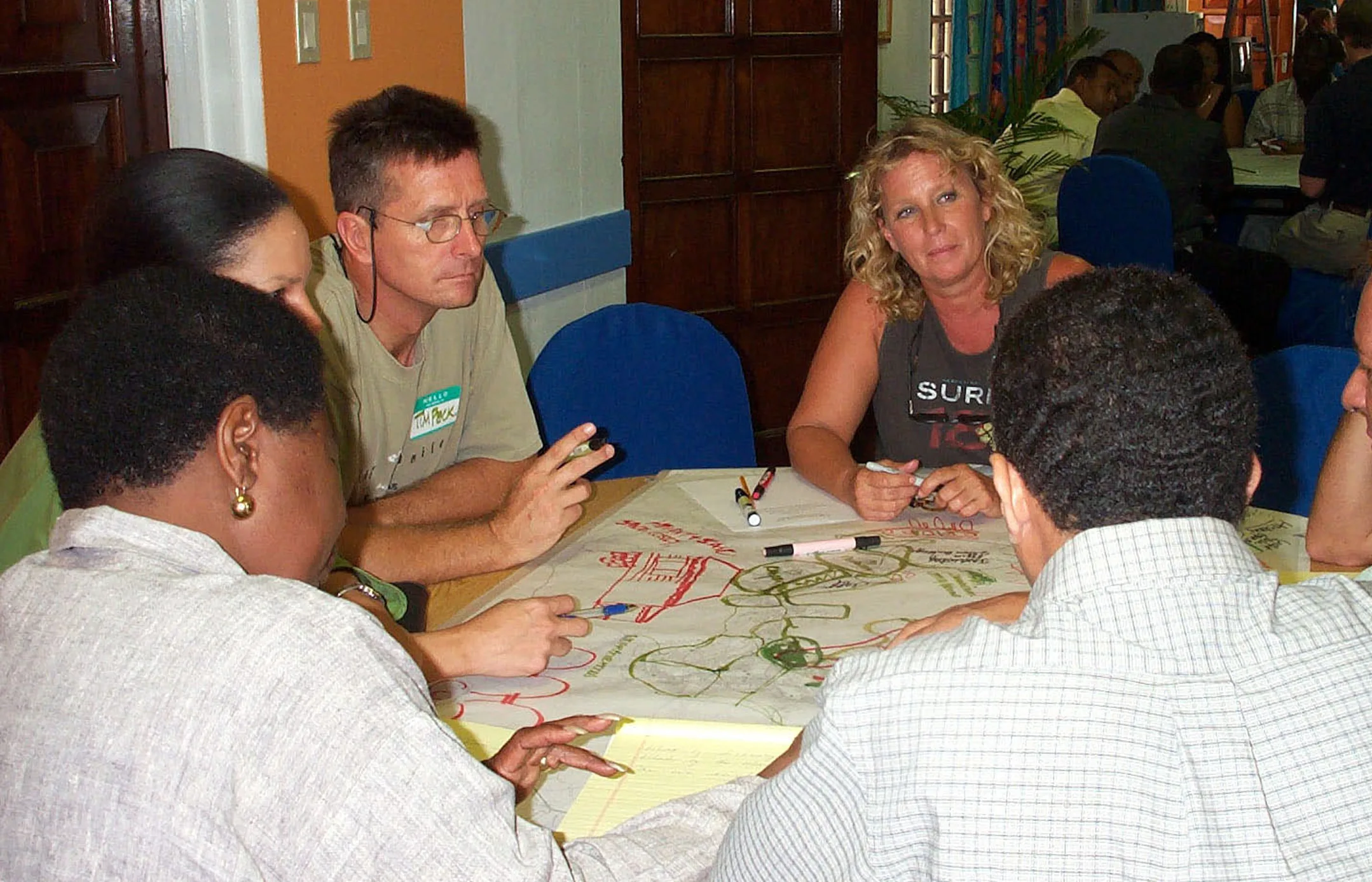
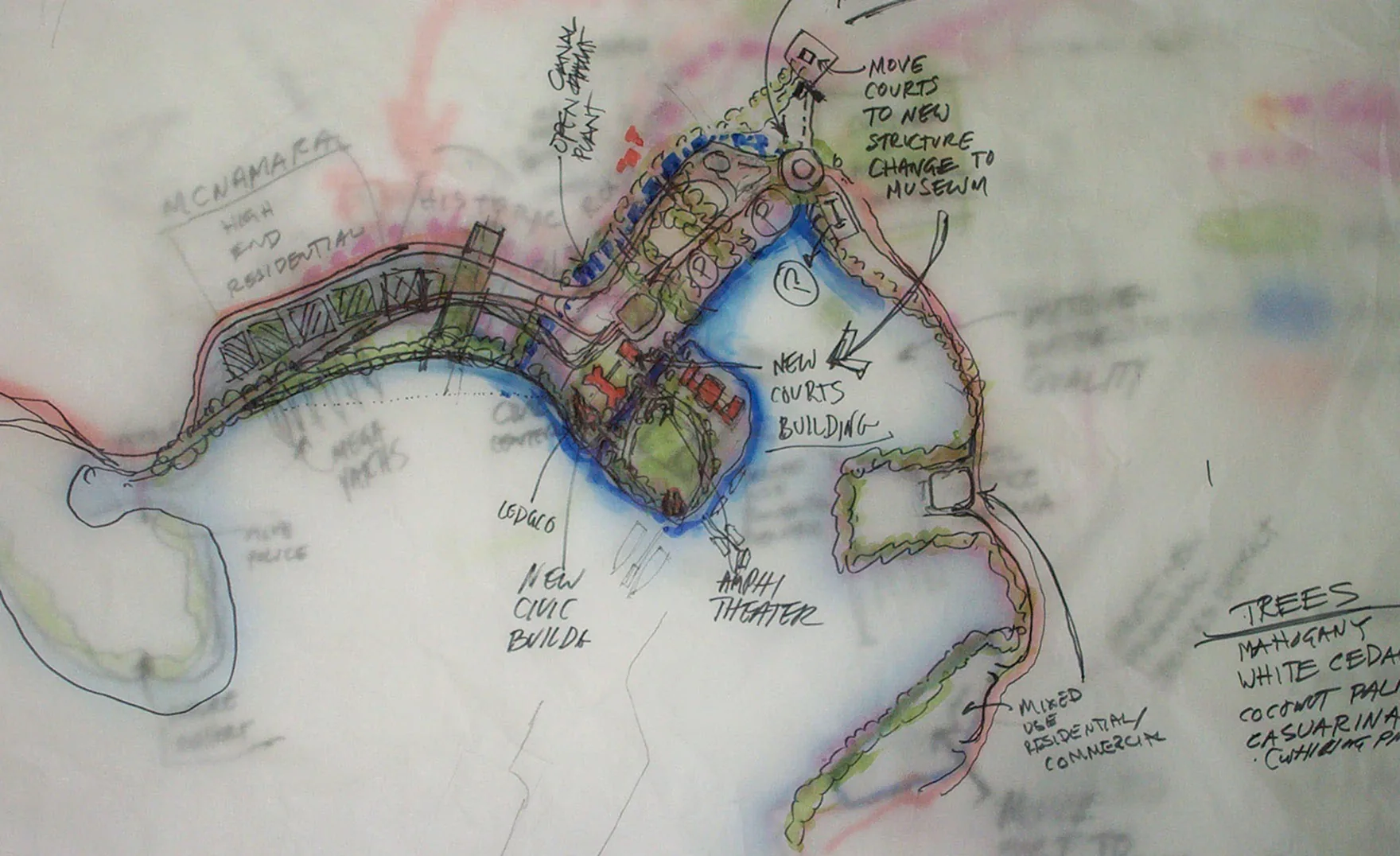
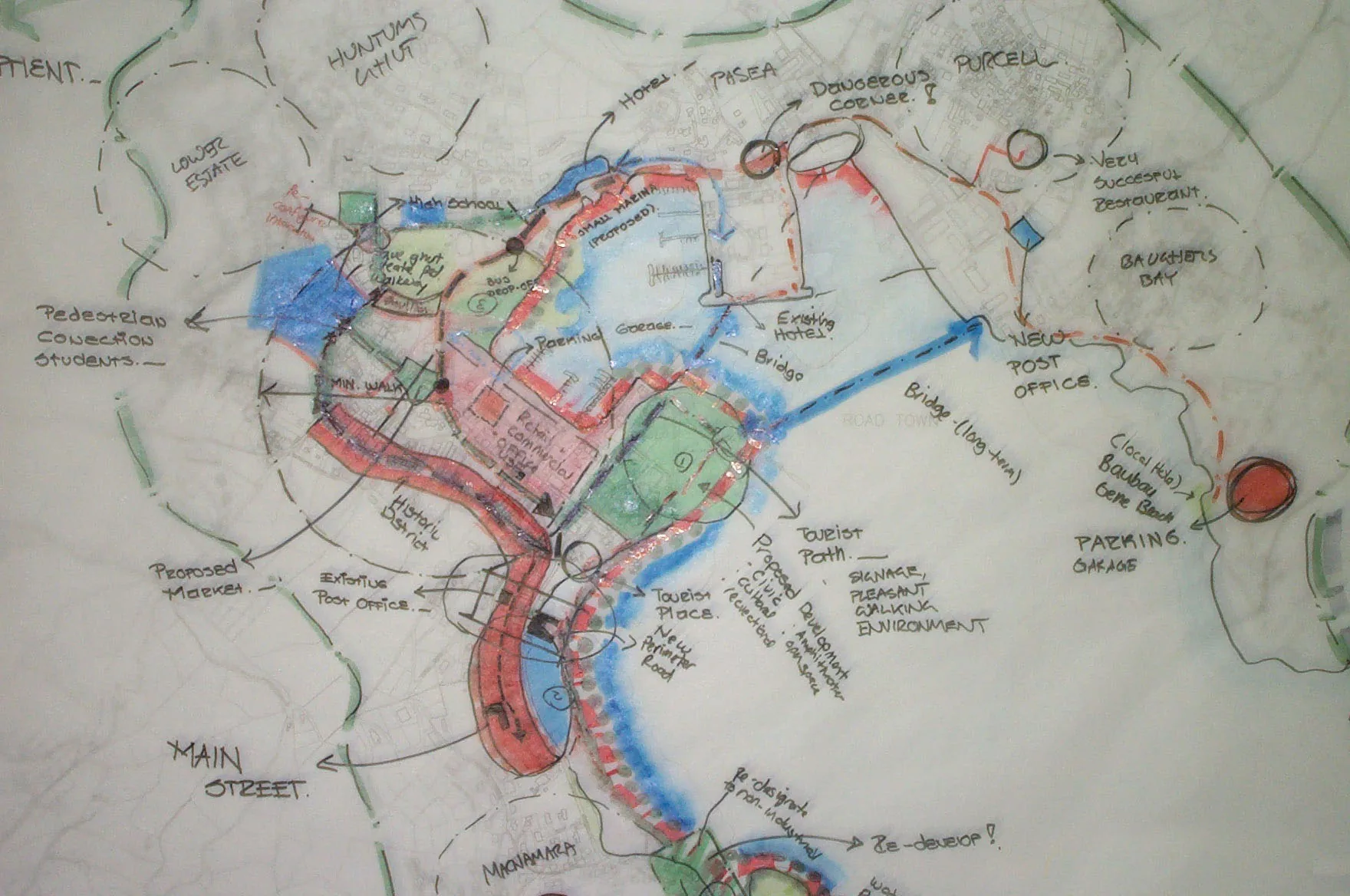
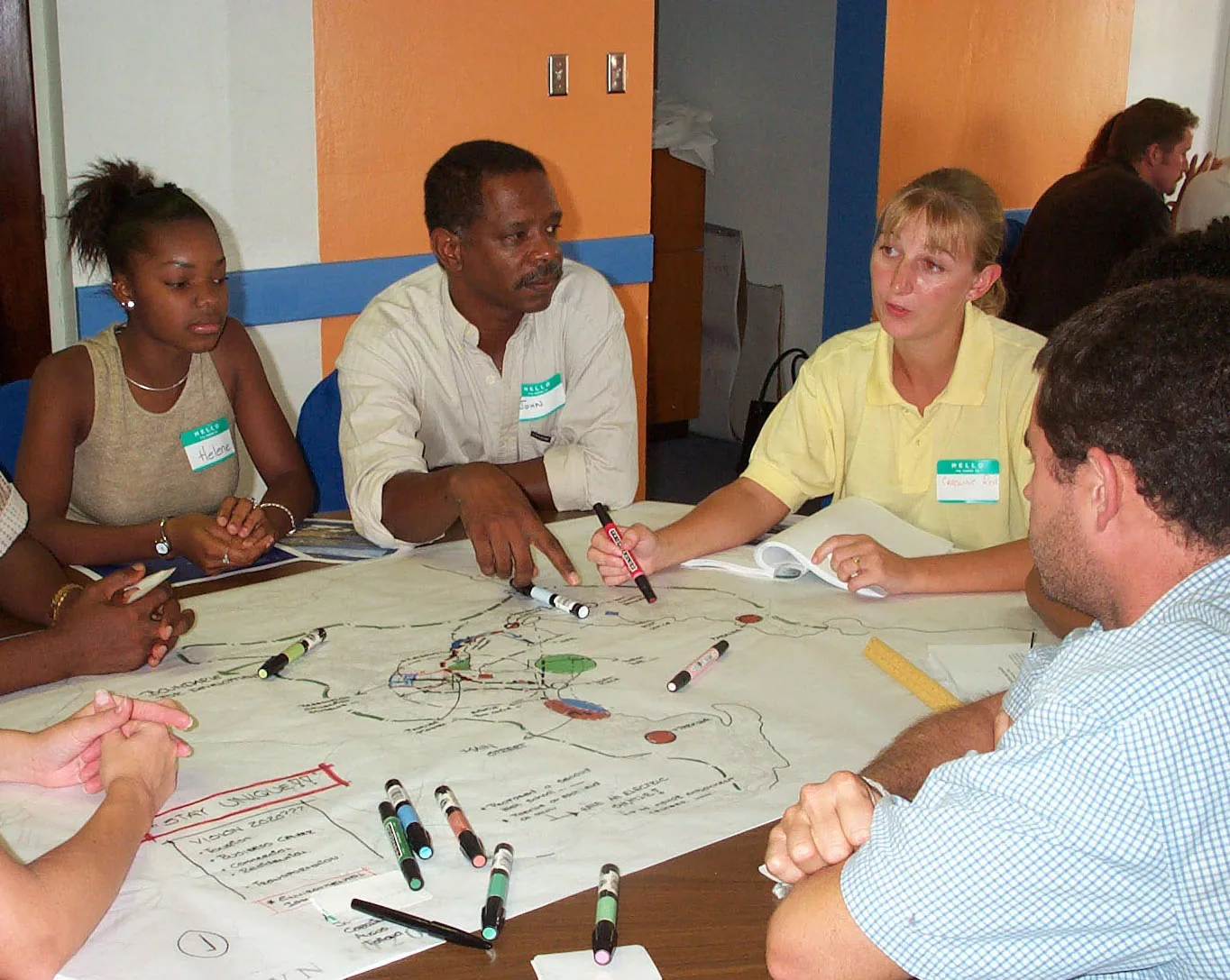
In 1980, Tim Peck joins from London (RSC Theatre at the Barbican) and is sent as a one-man studio to BVI. While his contemporaries flatten the islands' steep slopes, Peck finds ways to build that preserve natural terrain, and he cultivates a community of local architects who go on to shape the islands' design talent for decades.

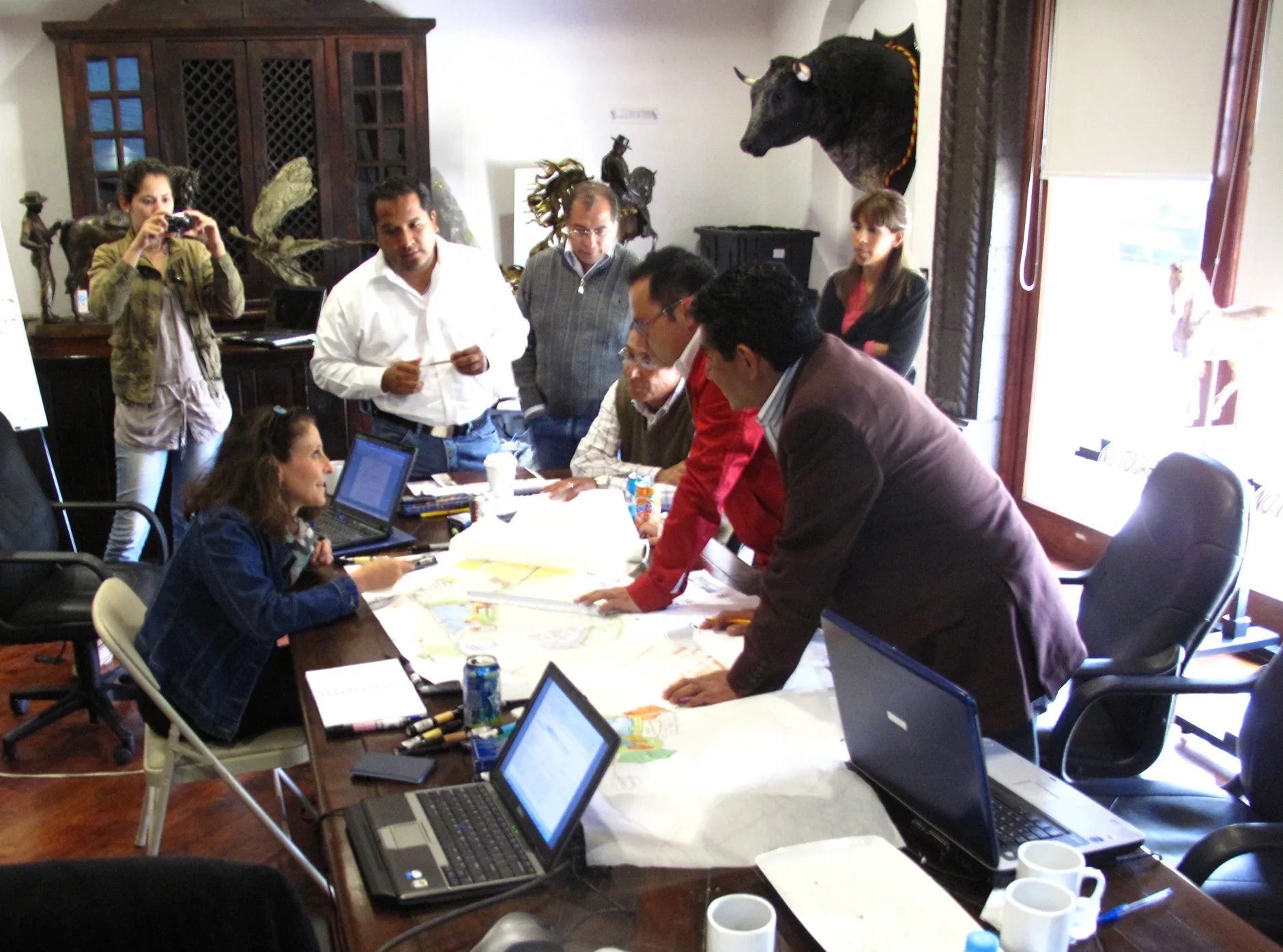
Tim Peck and residents of Road Town around a table, drawing over a plan of the town
Marker sketch over trace: a new civic building, courts and amphitheatre along the Road Town waterfront
Marker sketch over trace: Road Town's historic district, Main Street and a proposed tourist path and market
A workshop table in Road Town: residents with markers over a hand-drawn map of the town

Through the 1980s, Miami transforms from a regional city into one of the most active architectural commissioning markets in the Americas, drawing US firms south toward the Caribbean for the first time. McCulloch retires in 1993, so Bill Bissell steps in as CEO and rebrands Onions, Bouchard & McCulloch to OBM.

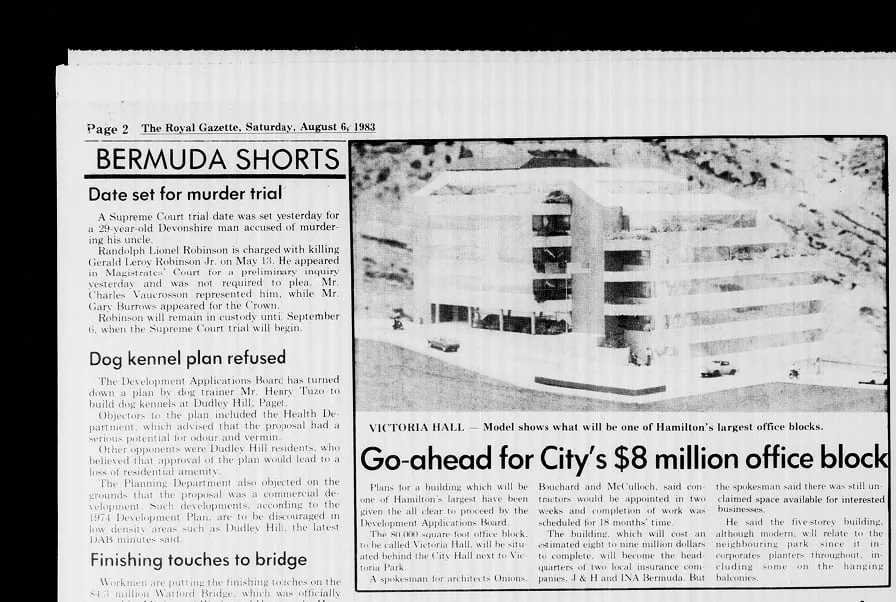
The Royal Gazette, 6 August 1983, page 2
“Go-ahead for City’s $8 million office block” — a model of Victoria Hall, one of Hamilton’s largest office blocks
The Royal Gazette, 6 October 1983, Business Week page

Victoria Hall

In 1983, Onions Bouchard & McCulloch unveiled plans for Victoria Hall — a five-storey office block to be built on the north-east corner of the City Hall car park. Modern in structure but designed to relate to the neighbouring park, with planters throughout and hanging balconies facing the greenery. On 6 October, contracts were signed for its $12 million construction. Around the table: project contractors, insurance company representatives, and the major shareholder. Looking on from the back were Fraser Butterworth and Ed Jones from Onions Bouchard & McCulloch. The photograph appeared in the Royal Gazette the following day. Victoria Hall went up next door to the building Wilfred Onions had designed thirty years earlier.

The Royal Gazette classifieds, 26 July 1983 — Employment

Graduate Architect Required

At the height of its Caribbean expansion, with offices open across the islands and commissions growing, Onions Bouchard & McCulloch advertised for staff the only way anyone did in 1983: four lines in the paper and a PO Box in Hamilton.

Onions, Bouchard & McCulloch

1998 · Miami

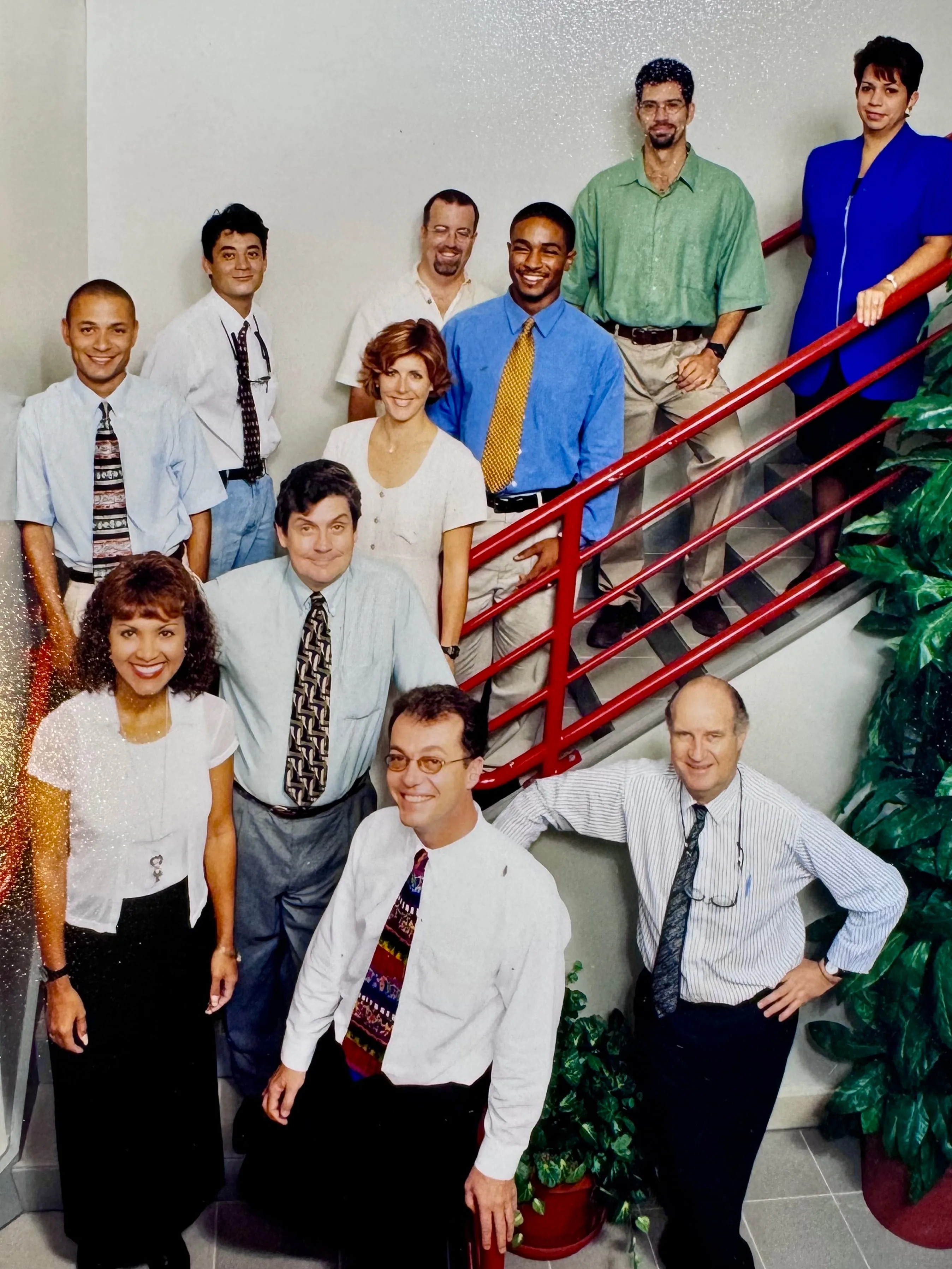
In 1998, he opens a Miami studio to meet US developers where they were, working in the Caribbean with US consultants. With the team Bissell brings on board, what begins as a defensive move becomes the launchpad for a Caribbean practice to take on the world.

The Miami office team gathered on and around a red staircase
The Miami team

Horizon: OBM becomes OBM International

1998–2006

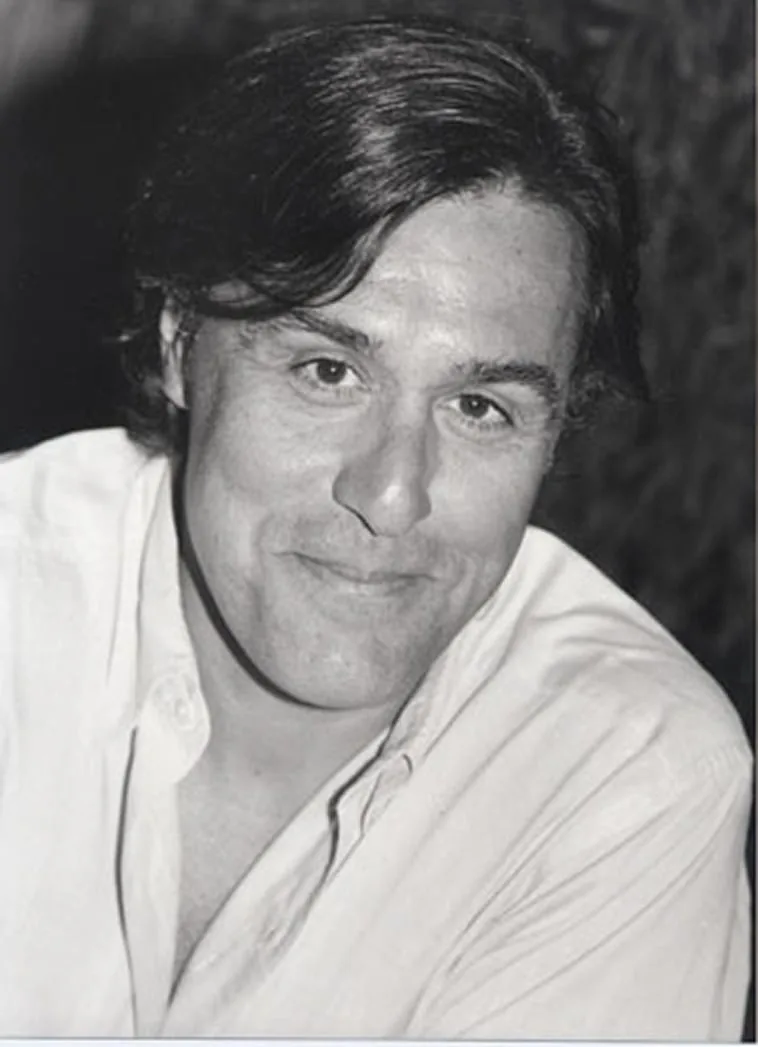
Baudilio 'Baudi' Ruiz, a born storyteller whose immersive descriptions of places make you feel you've lived them, is hired to run business development.

Baudilio Ruiz, a black and white portrait
Baudilio Ruiz on a park bench, hands on a walking cane
Baudilio Ruiz drinking from a coconut under the palms

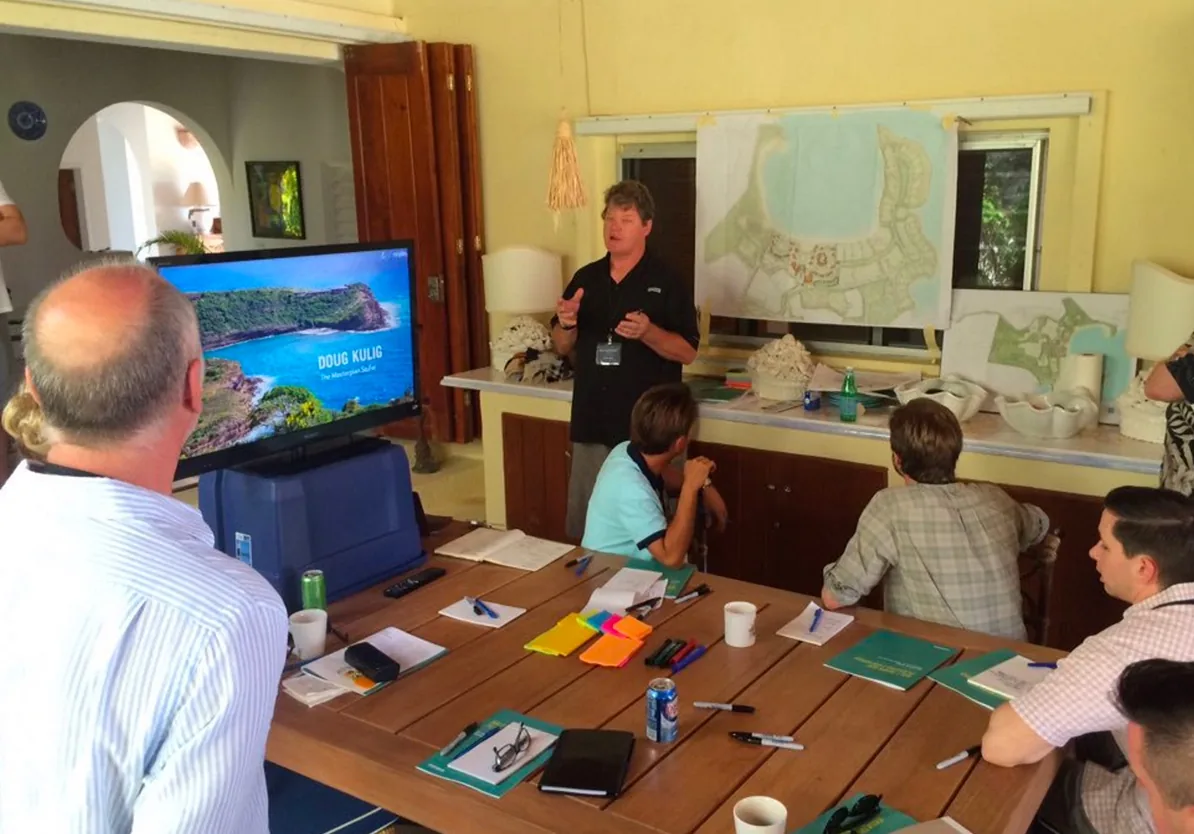
He brings hospitality architecture specialist Doug Kulig with him, and together their gift for envisioning destinations wins OBMI clients across Spain, North Africa, and the Middle East. OBM becomes OBM International, with a focus on the high-end hospitality market.

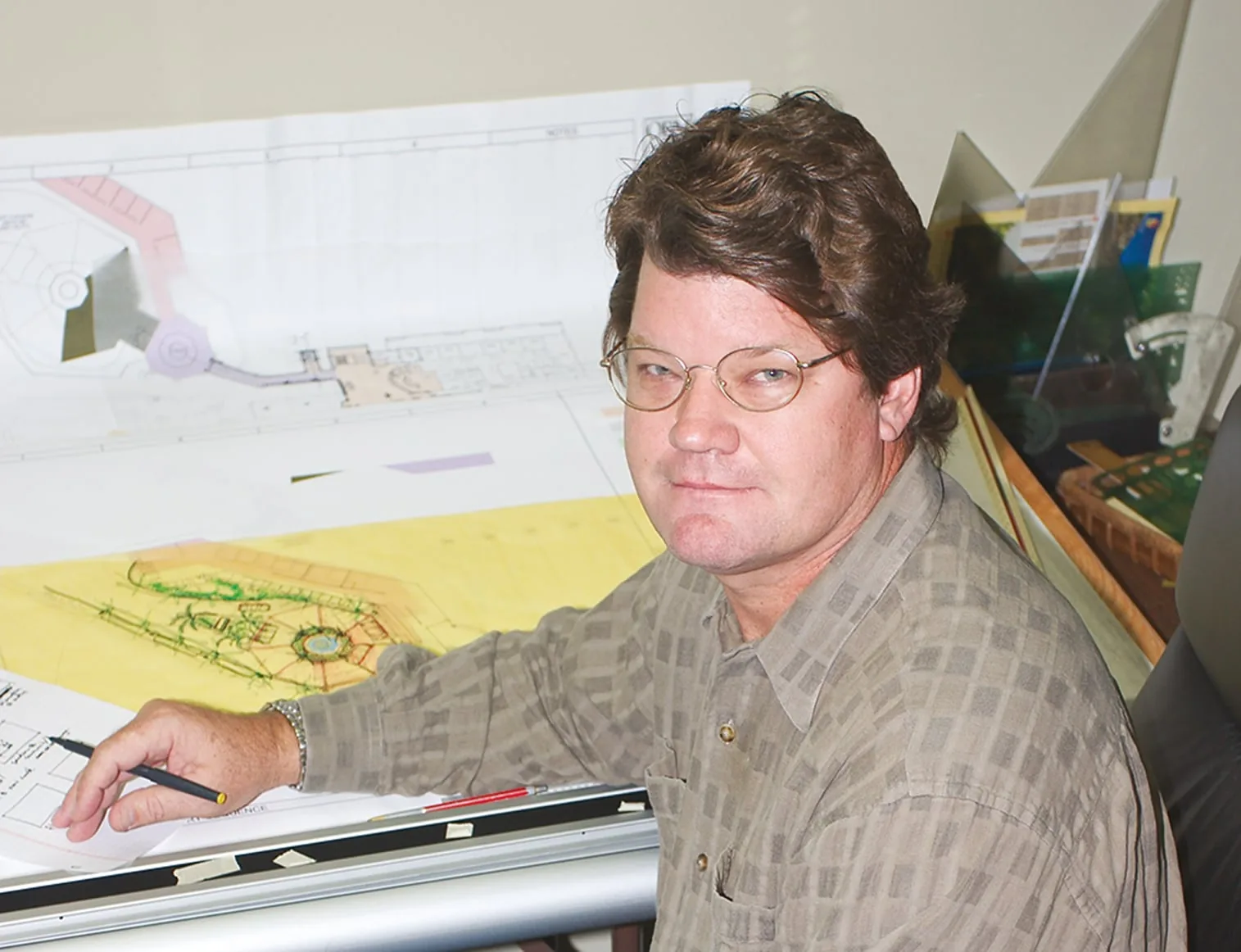
Doug Kulig at his desk, a site plan open in front of him
Doug Kulig at the drafting table, pen in hand over a resort plan
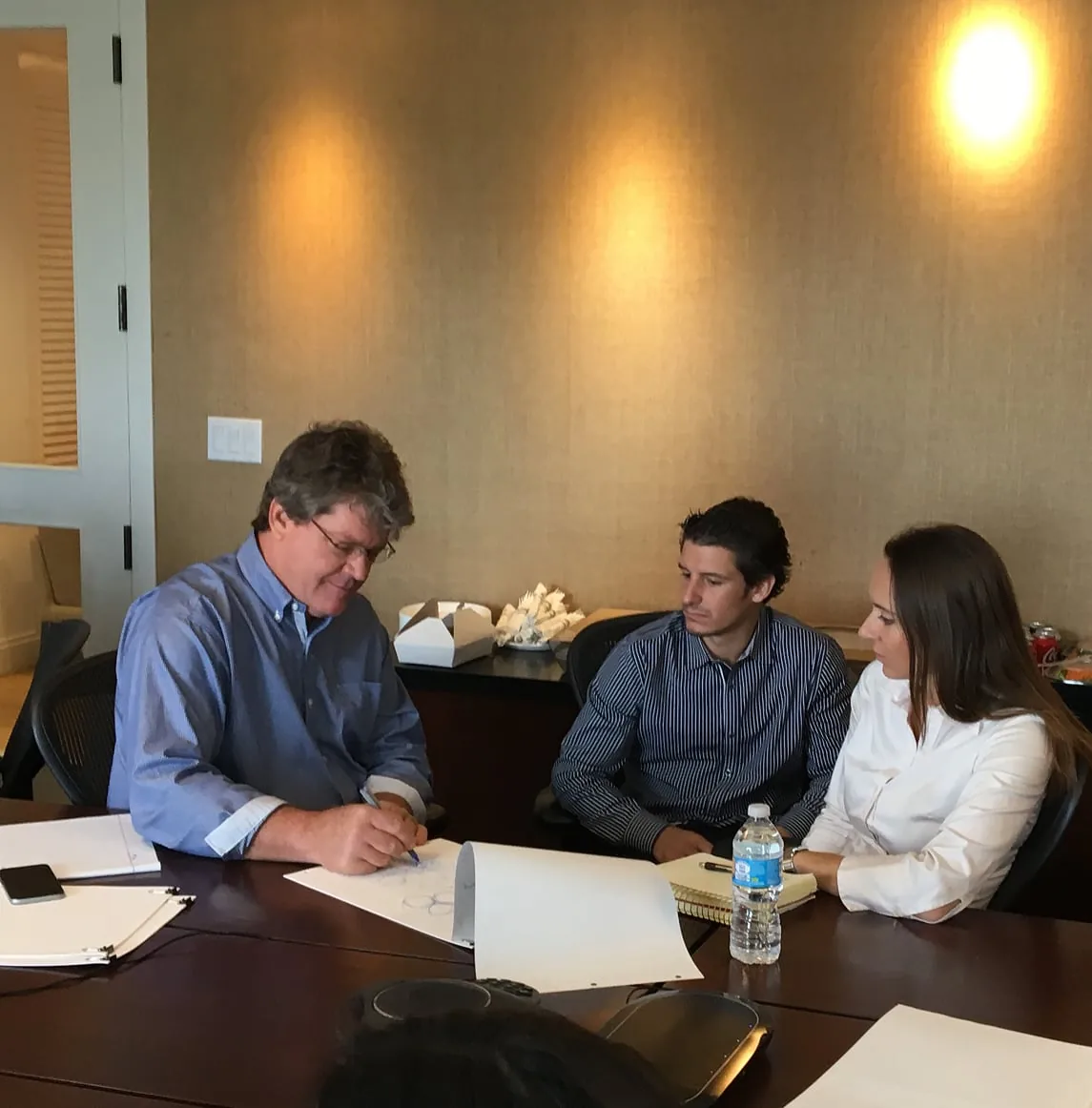
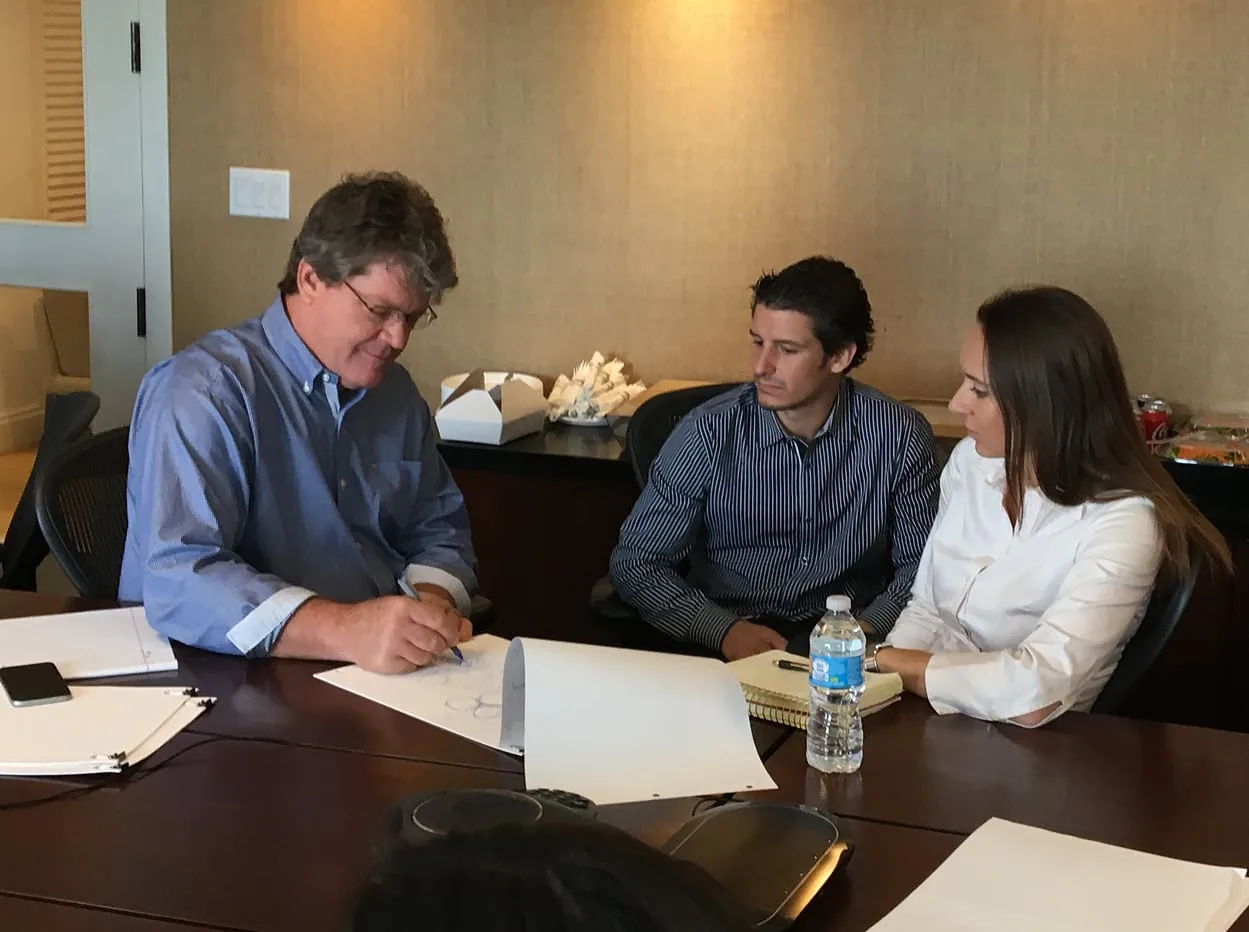
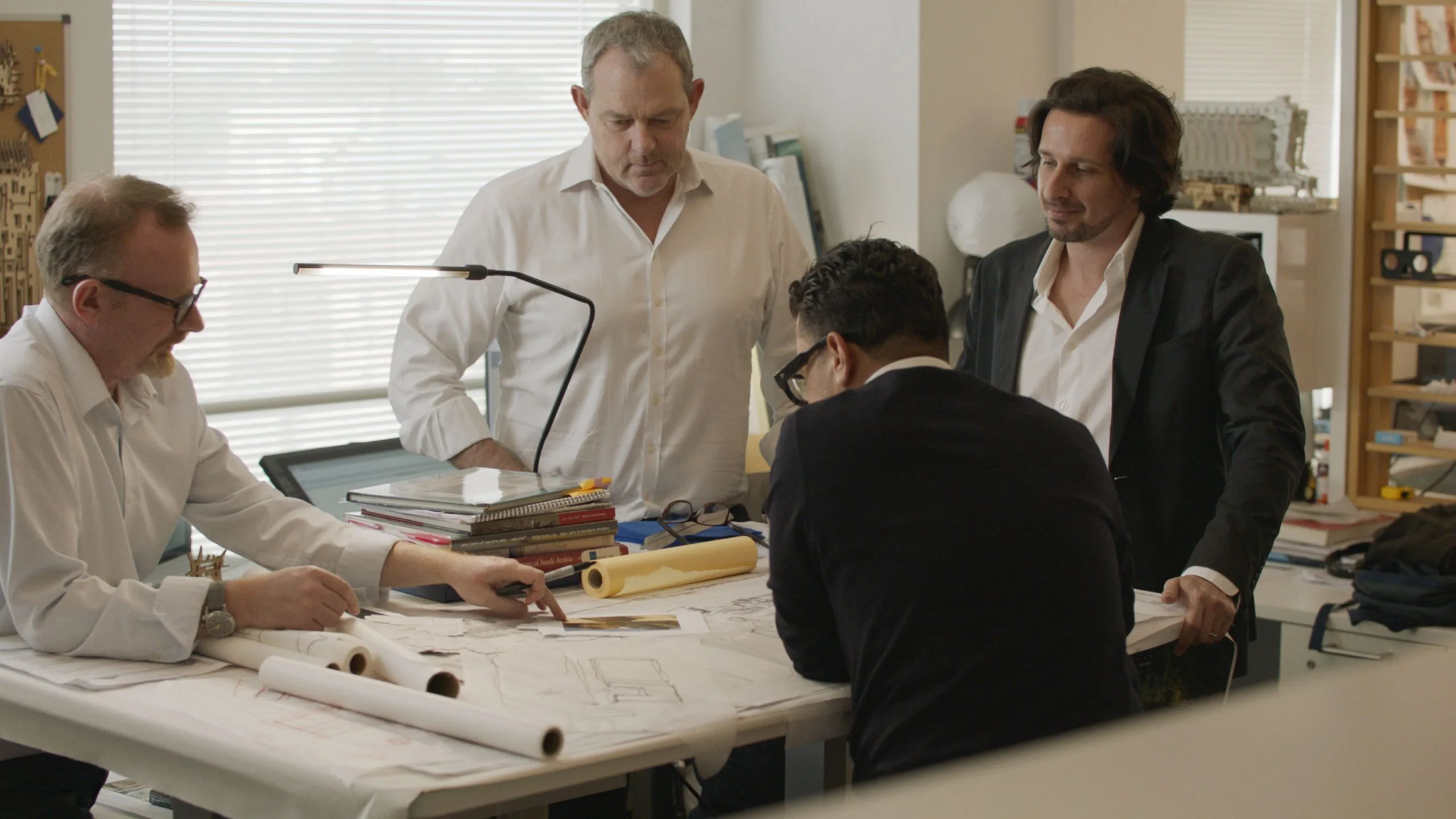
Doug Kulig sketching at a meeting table while two colleagues watch

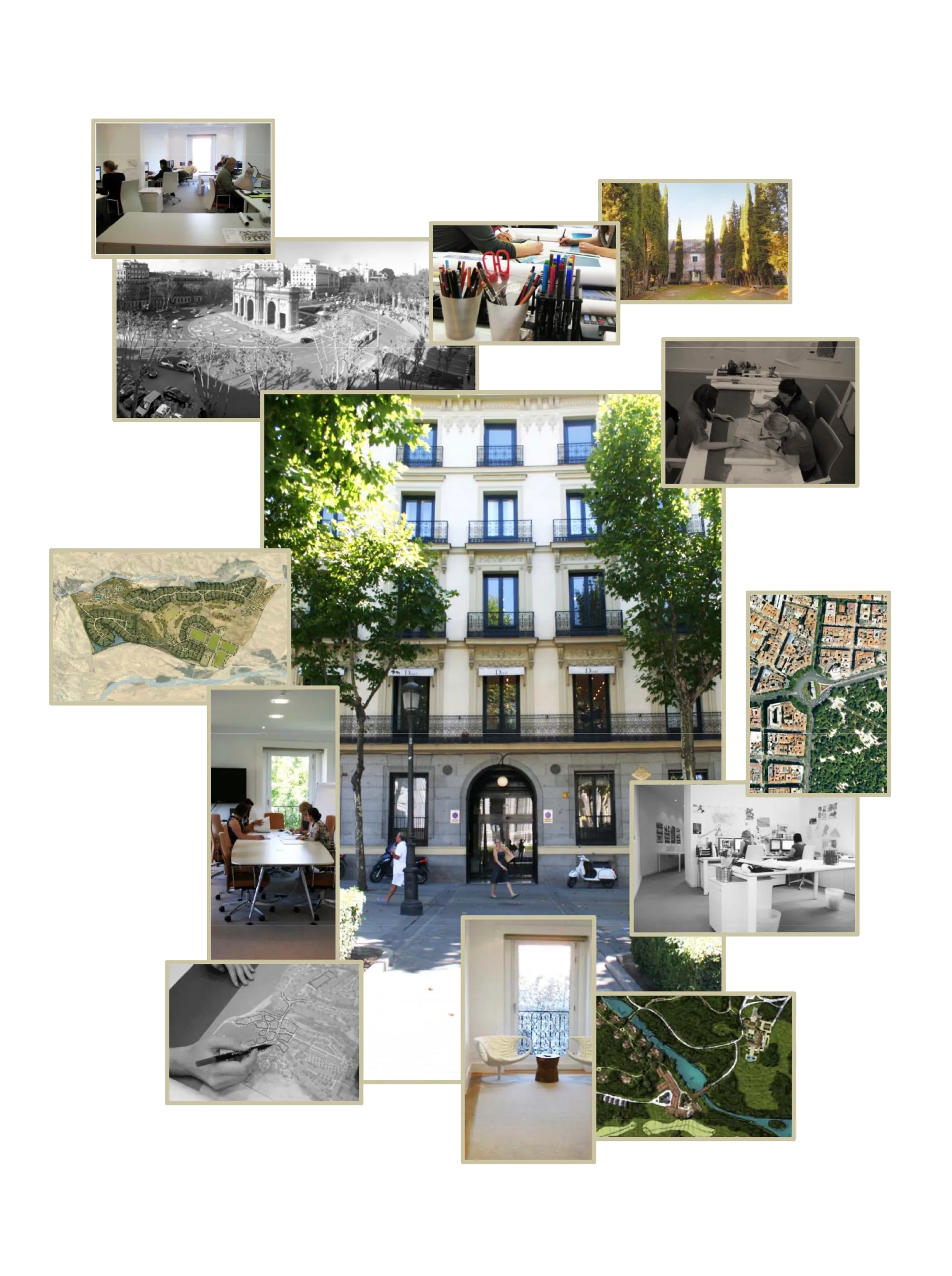
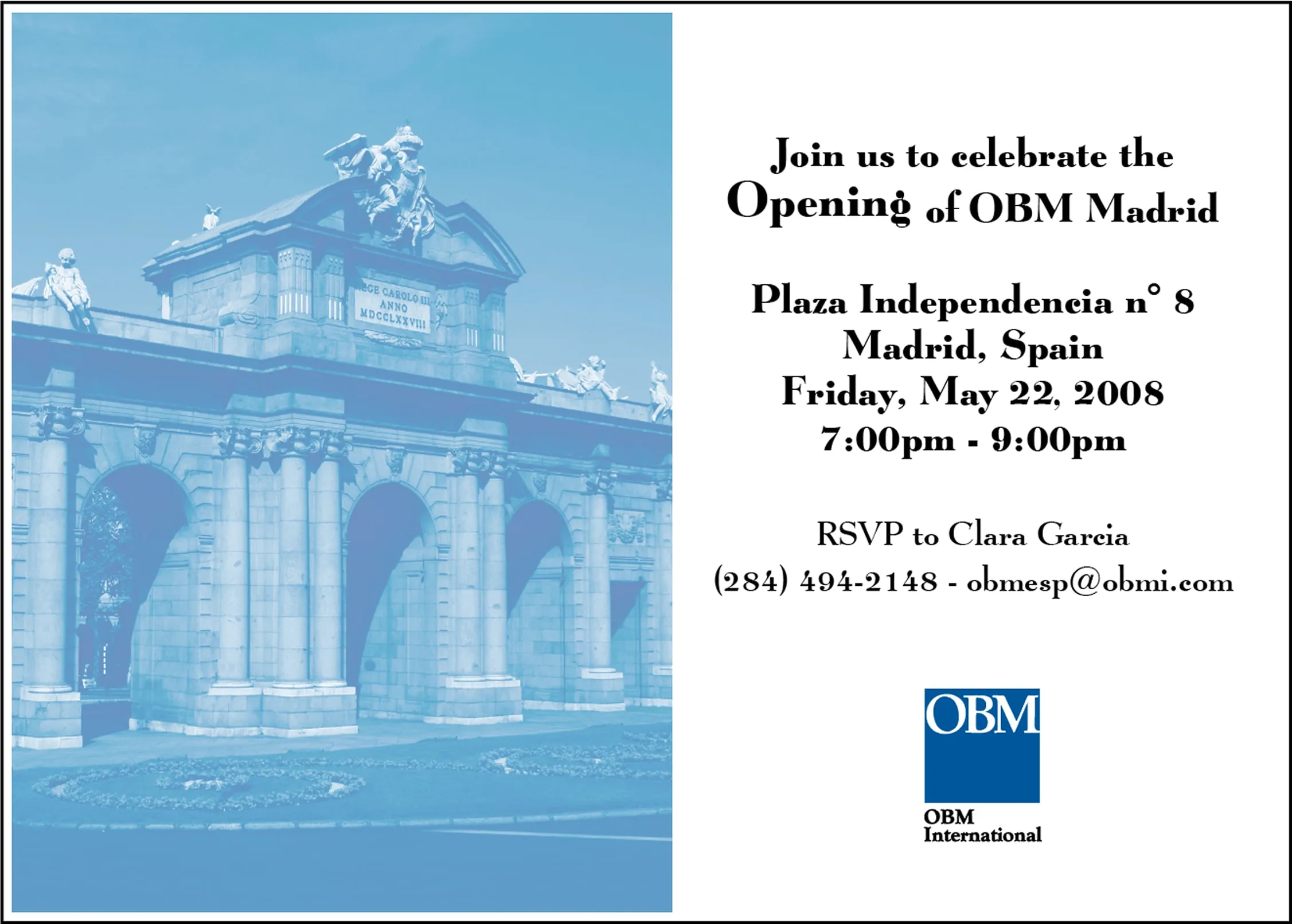
The Madrid office opens to service work across Libya, Morocco, Egypt, and Lebanon.

A collage of the Madrid office: the team at work, the building on Plaza de la Independencia, site plans and city views
Invitation to the opening of OBM Madrid, Plaza Independencia 8, Friday 22 May 2008

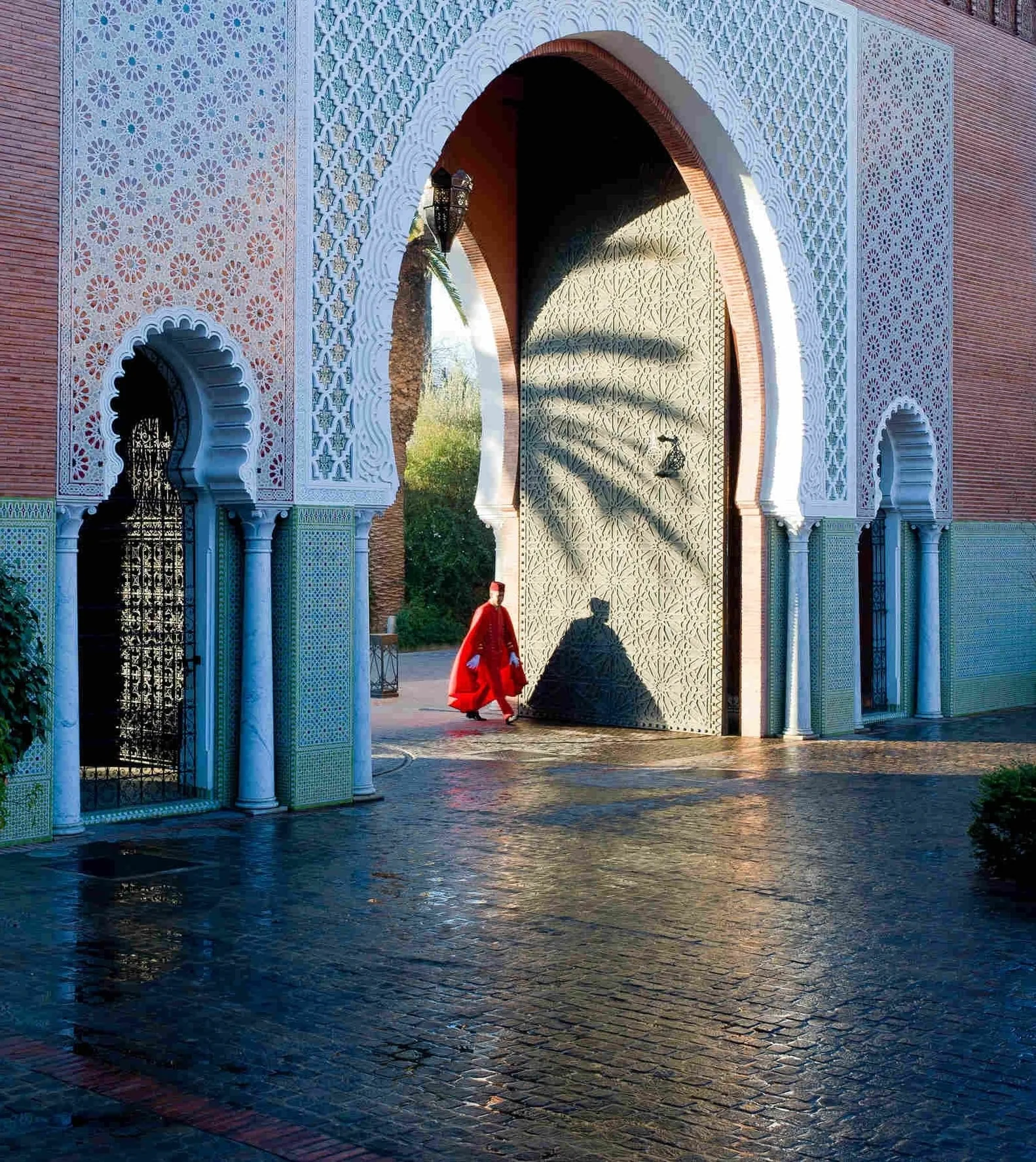
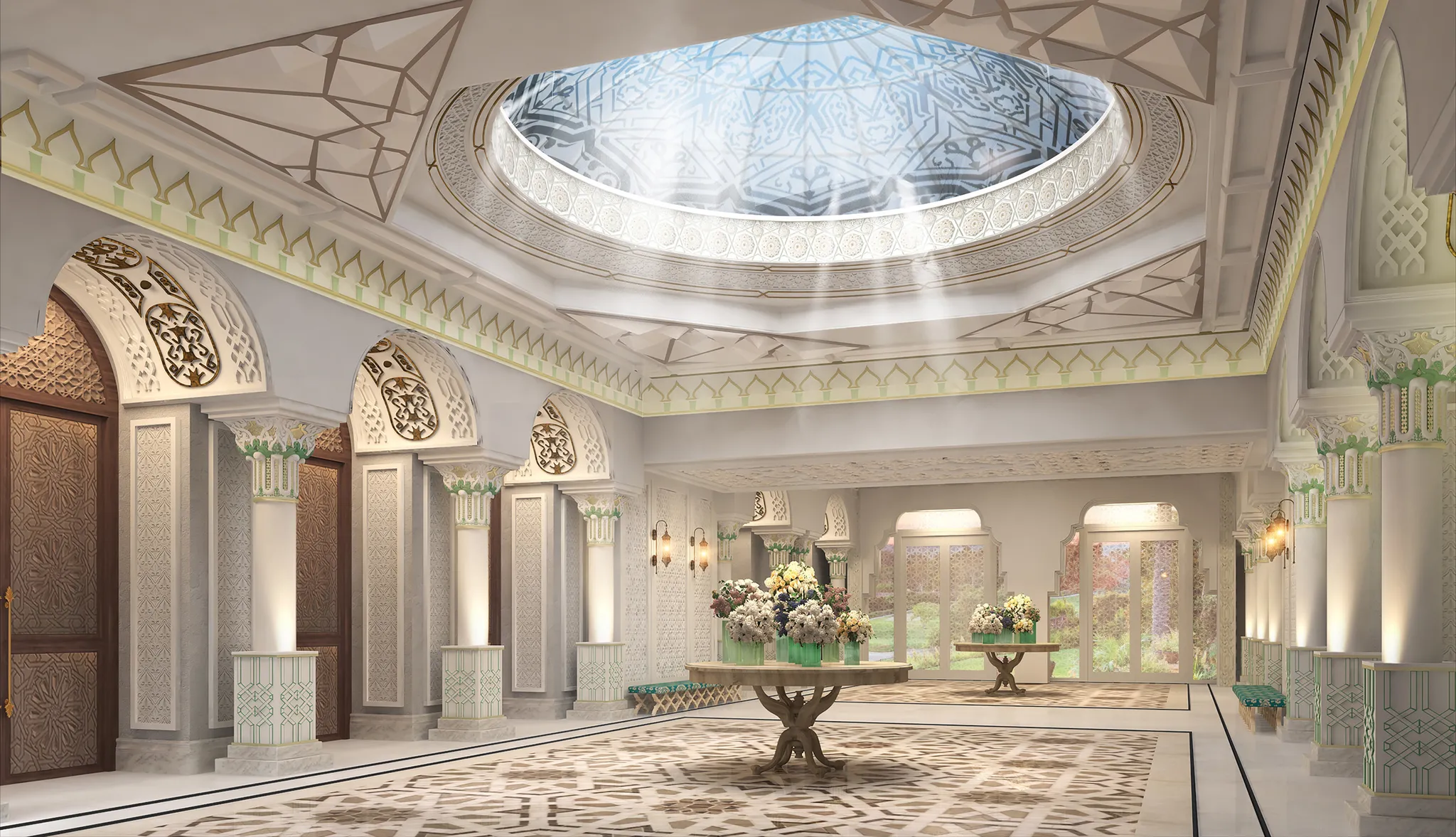
In 2004, OBMI wins the contract for Le Royal Mansour in Marrakech, built for King Mohammed VI, and spends a long period studying the craftsmanship and traditions of the region — so when design begins, the traditional Moroccan craftsmen are invited into the process as collaborators.

The entrance gate of Le Royal Mansour, Marrakech — zellige, carved plaster and a doorman in red
Ink sketch of a Royal Mansour courtyard: arcades under a colonnaded gallery, potted palms in the foreground
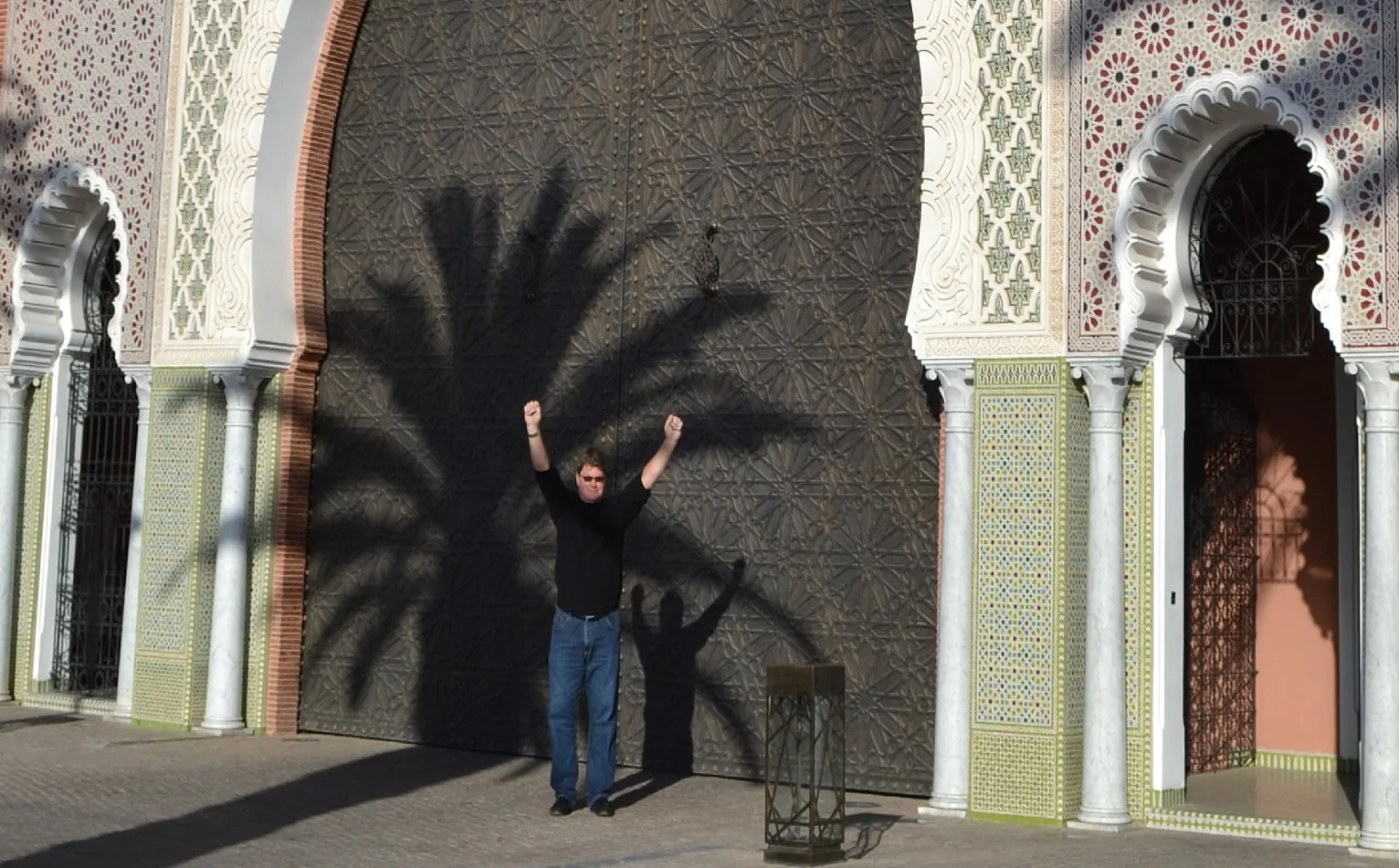
Doug Kulig with both arms raised in front of the great bronze doors of the Royal Mansour, a palm's shadow across them
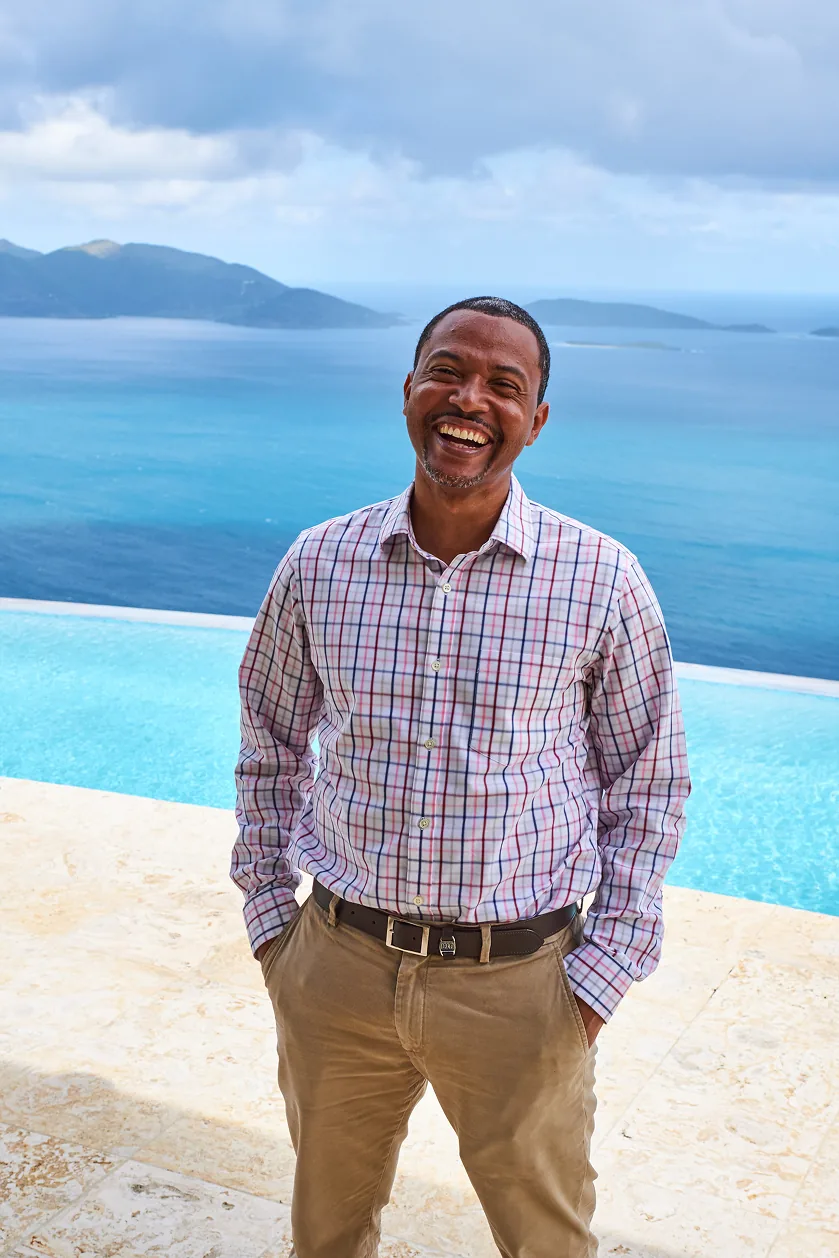
Marvin Flax laughing, standing by an infinity pool above the sea and the islands of the BVI
Marvin E. Flax
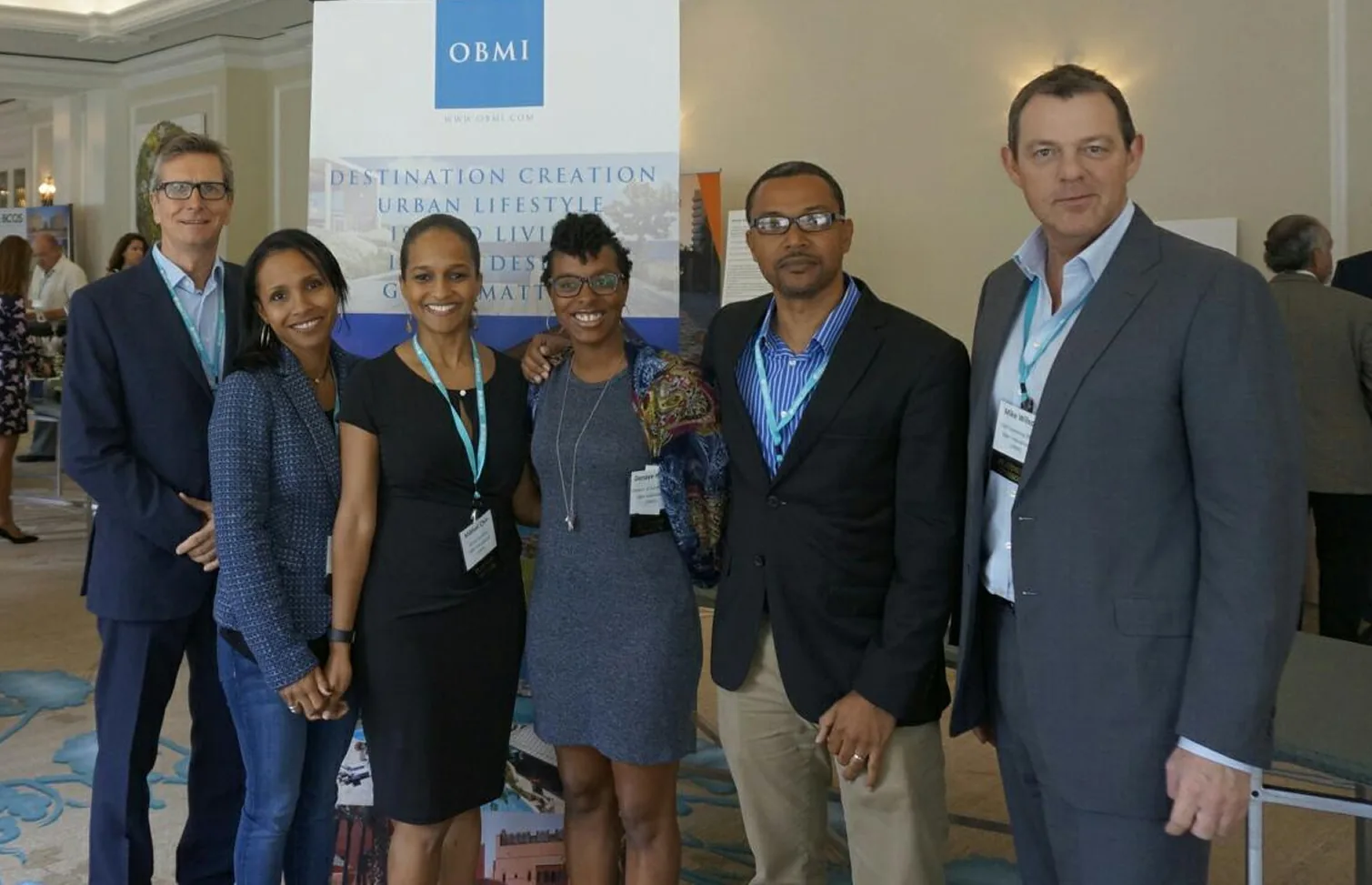
The OBMI team at a conference stand, Marvin Flax among them
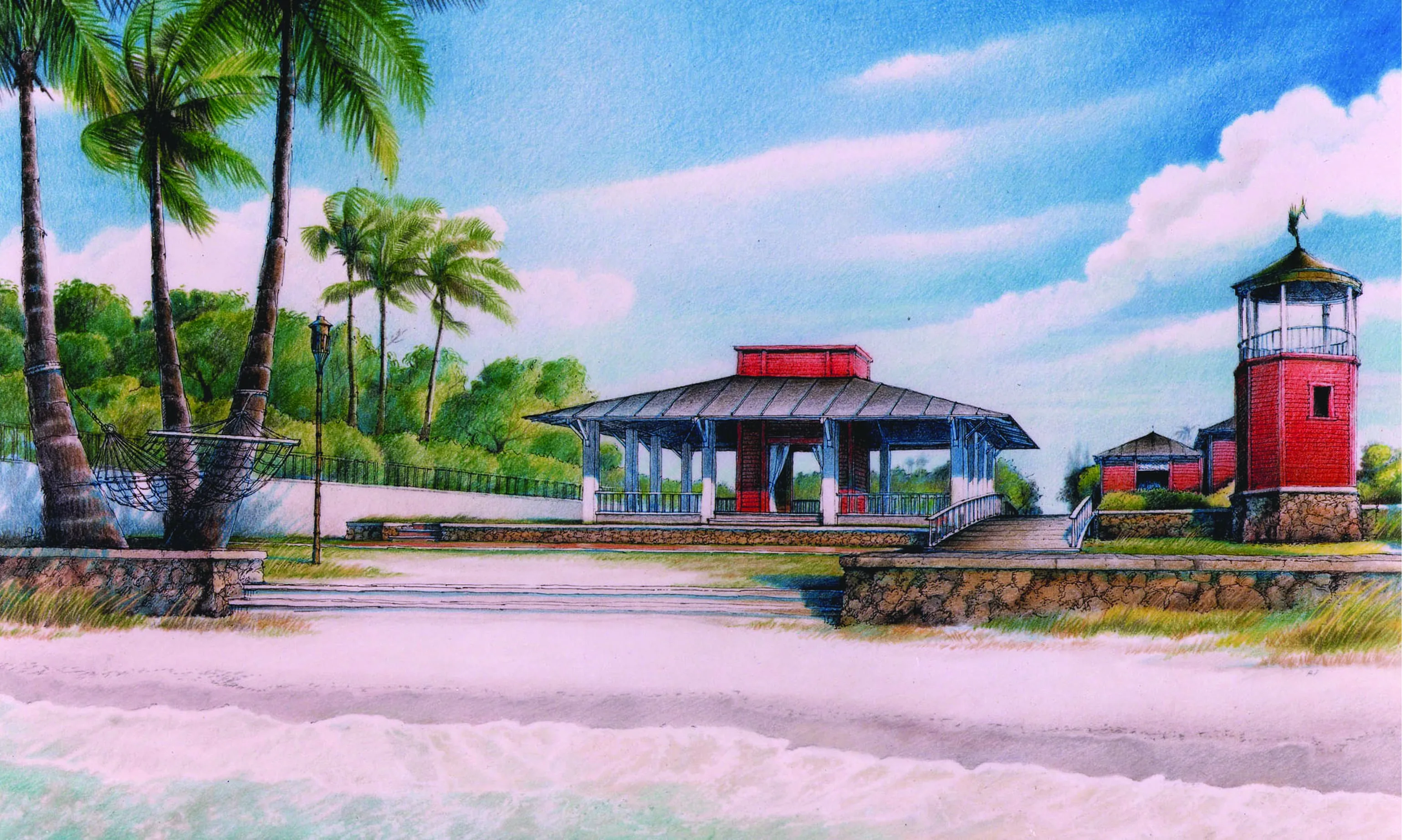
Coloured rendering of a red beach pavilion and lookout tower behind a hammock strung between palms
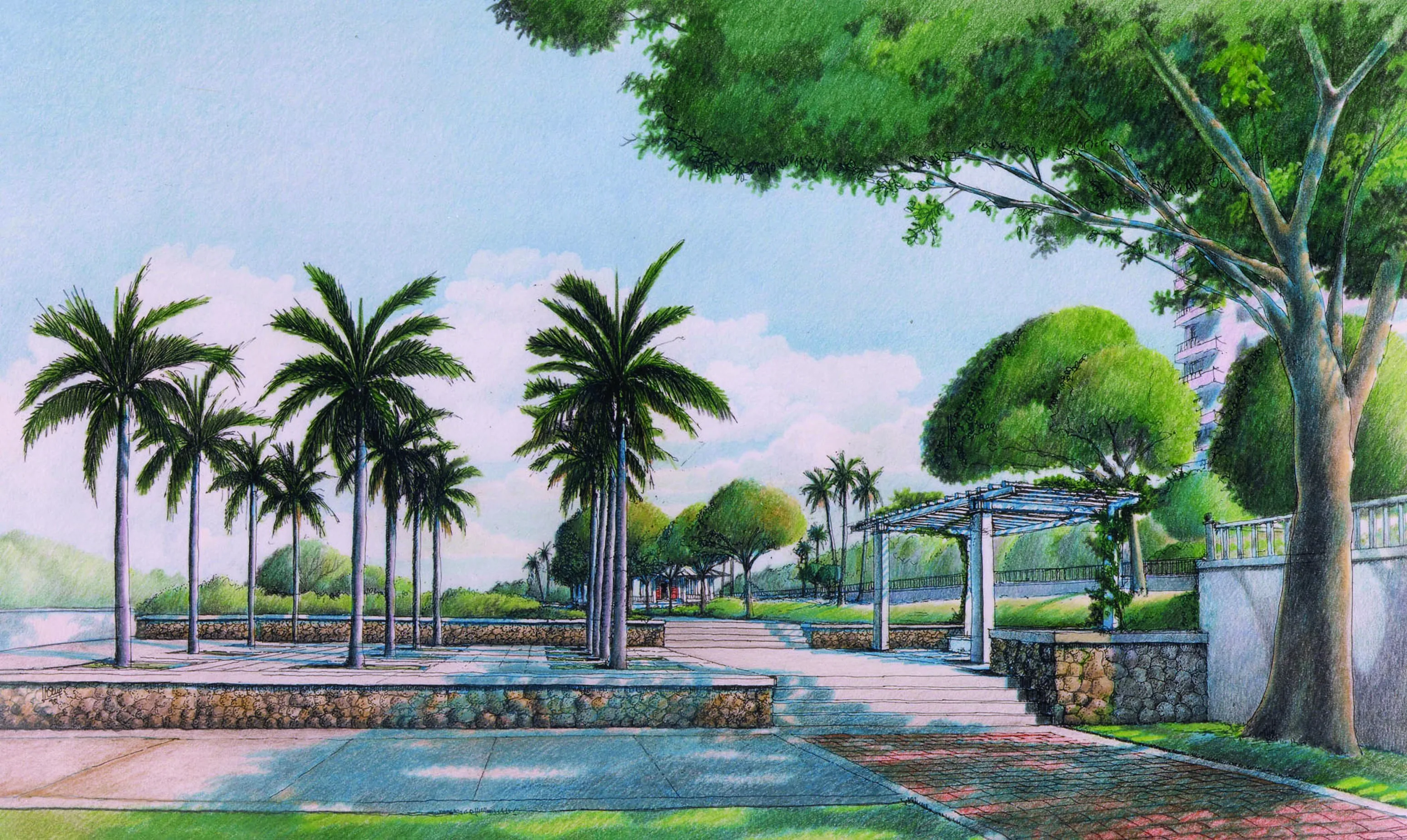
Coloured rendering of a palm-shaded plaza with coral stone walls and a pergola
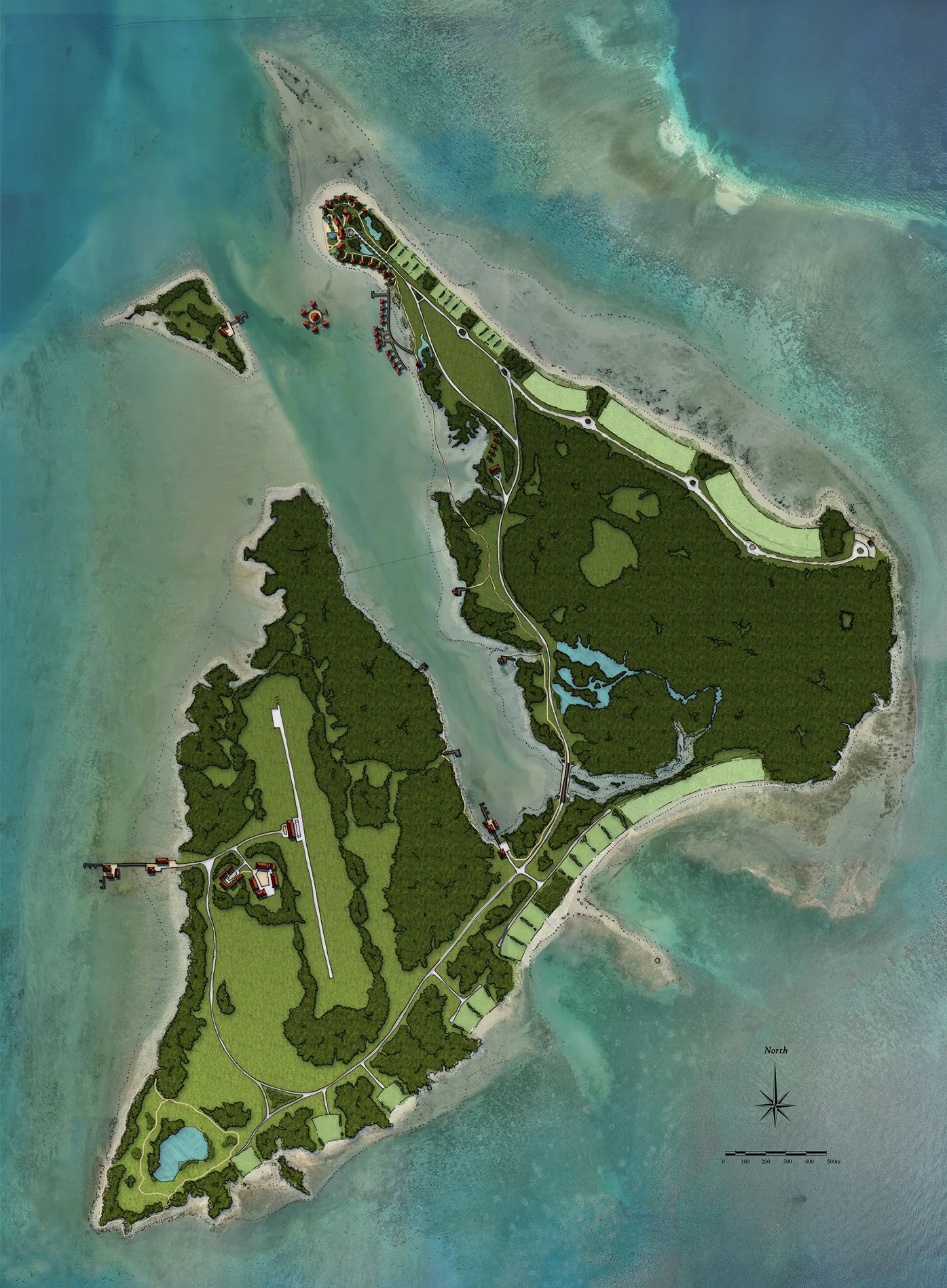
Master plan of Vamizi island, Mozambique — an aerial drawing of the island with its airstrip, villages and resort sites over turquoise shallows
Mozambique · Vamizi, Macaloe and Rongui
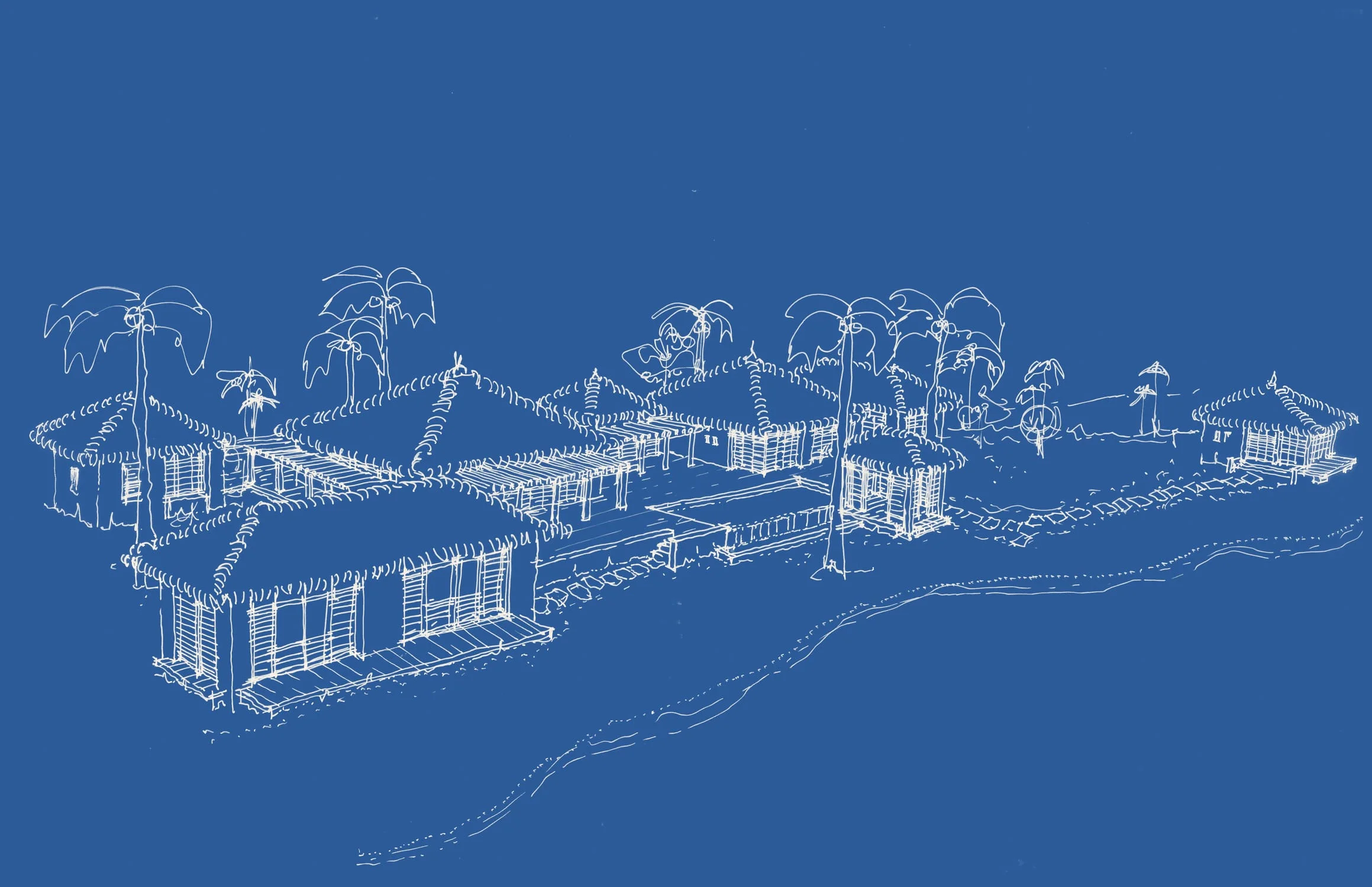
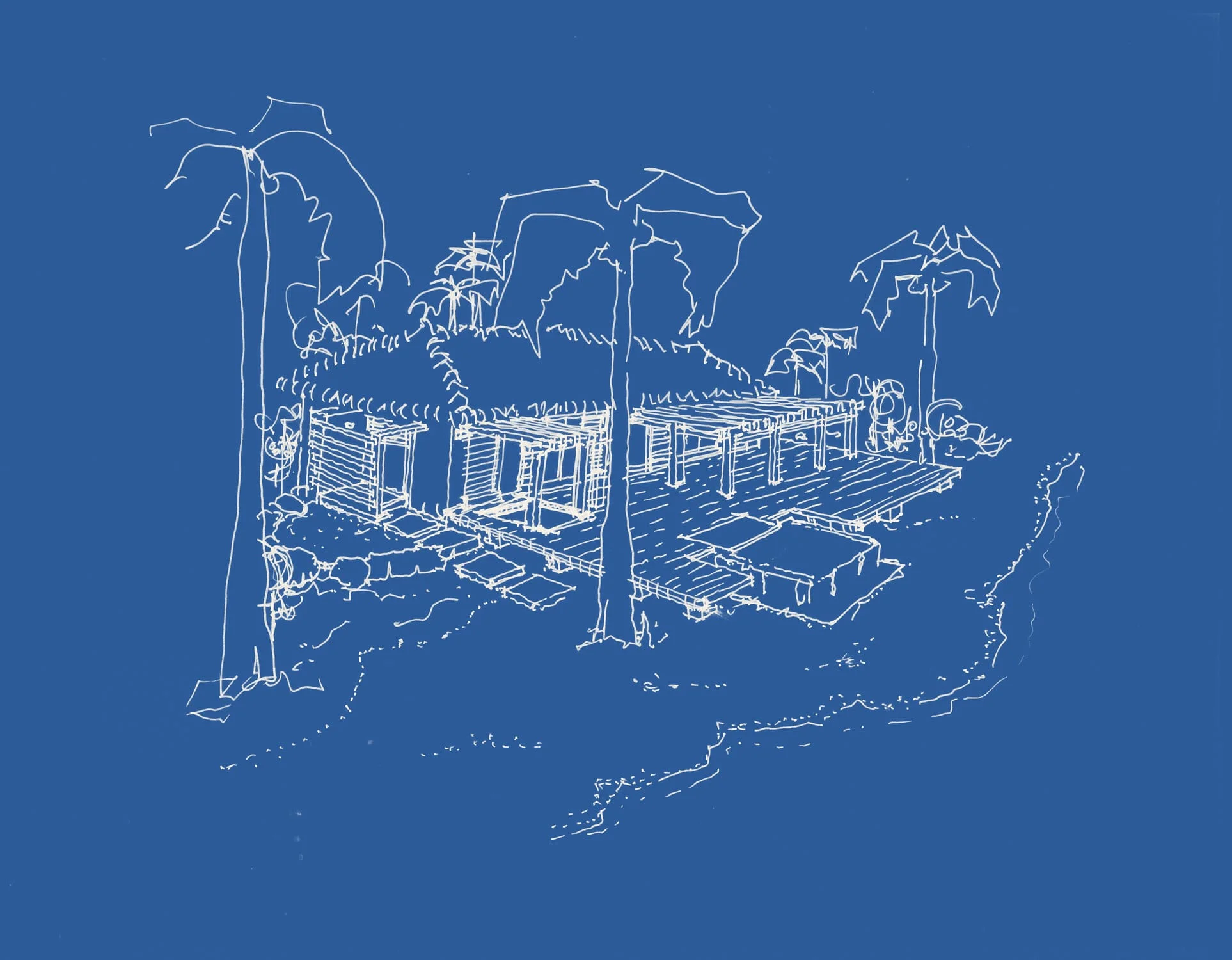
Ink sketch of thatched beach cabins under palms, joined by pergolas along the shoreInk sketch of a thatched pavilion and timber deck stepping down to the beach between palms

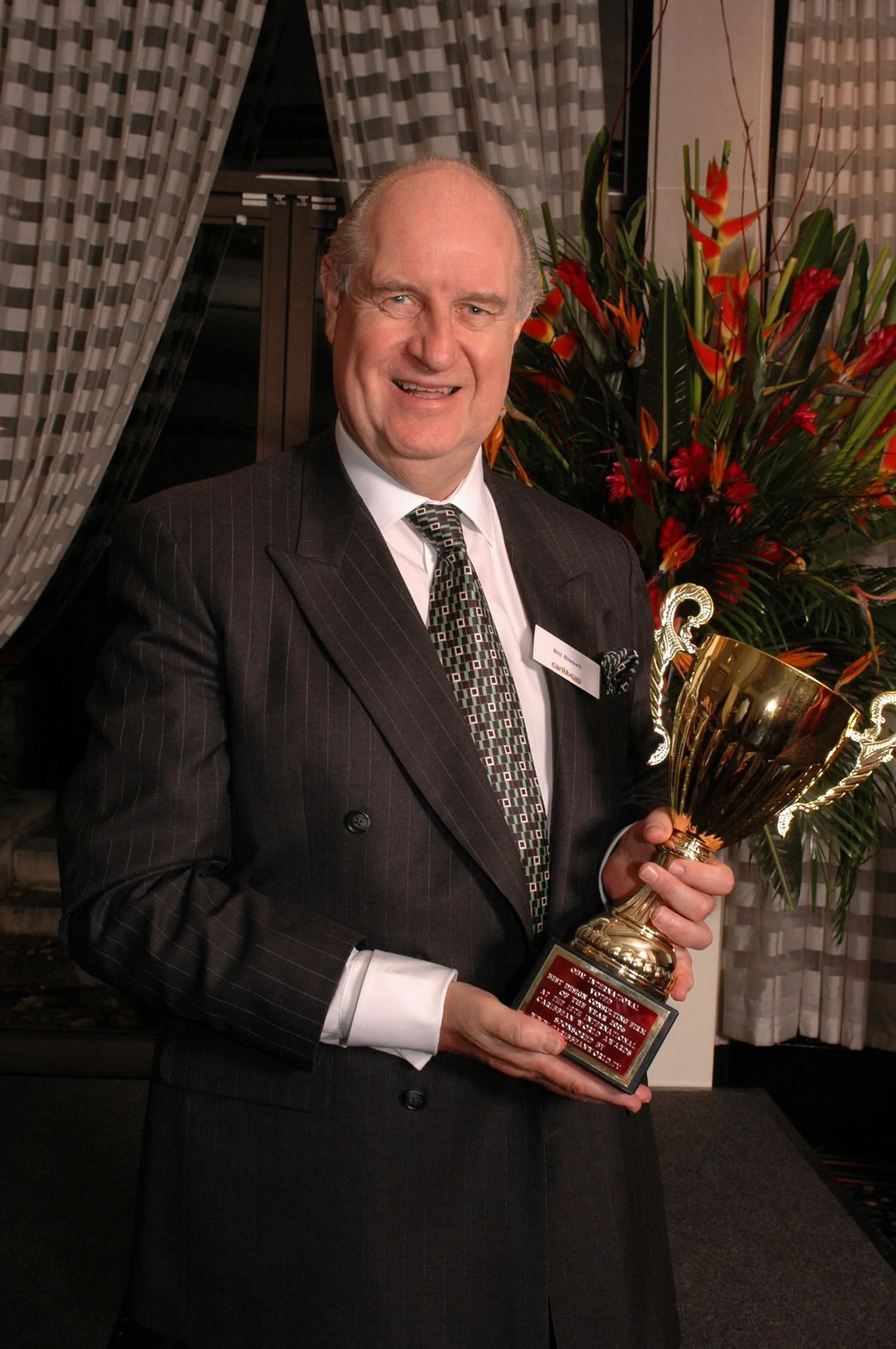
In 2006, OBM International is awarded the Best Design Consulting Firm of the Year by the Caribbean World Awards.

Bill Bissell in a pinstripe suit, smiling, holding the gold Caribbean World Awards cup
Bill Bissell · Caribbean World Awards, 2006
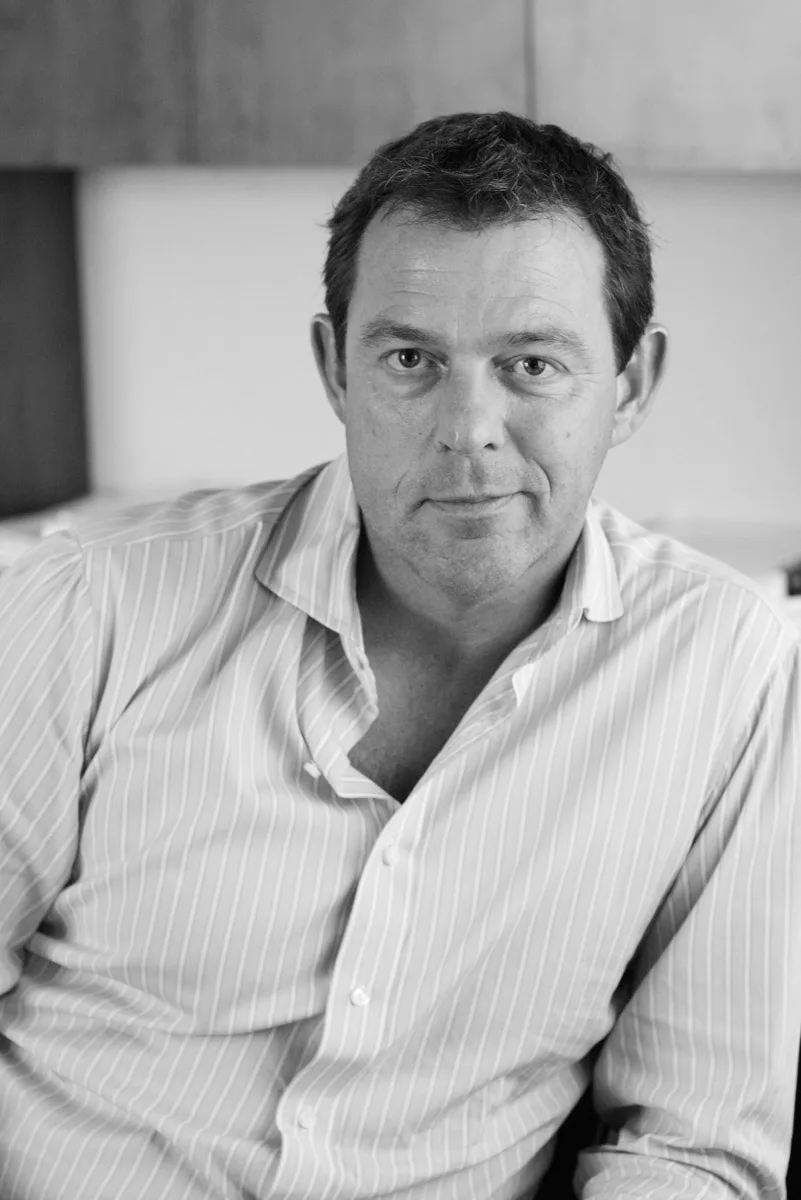
Mike Wilson in a striped open-collared shirt, a black and white portrait
Mike Wilson · Chief Operating Officer, 2006

In March 2006, Mike Wilson joined the practice as COO. He had spent a decade at KPMG in London, restructuring and managing companies across a range of industries, and that work showed him at first hand how business decisions reach employees, families and communities. When the financial crisis arrived two years later, those were exactly the skills the moment called for. Now, still in Miami, the former London accountant has since become an Ironman several times over, and a certified wine connoisseur.

Resilience: Disruption and continuity

2007–2011

Bissell dies in 2007 and Ruiz in 2009, in the middle of the global financial crisis. A new Coral Gables studio, leased to accommodate growth, sits half-occupied as projects are cancelled and delayed. The Madrid pipeline disappears with the Arab Spring. Through it, senior management forgoes pay and the staff stay through financial cutbacks.

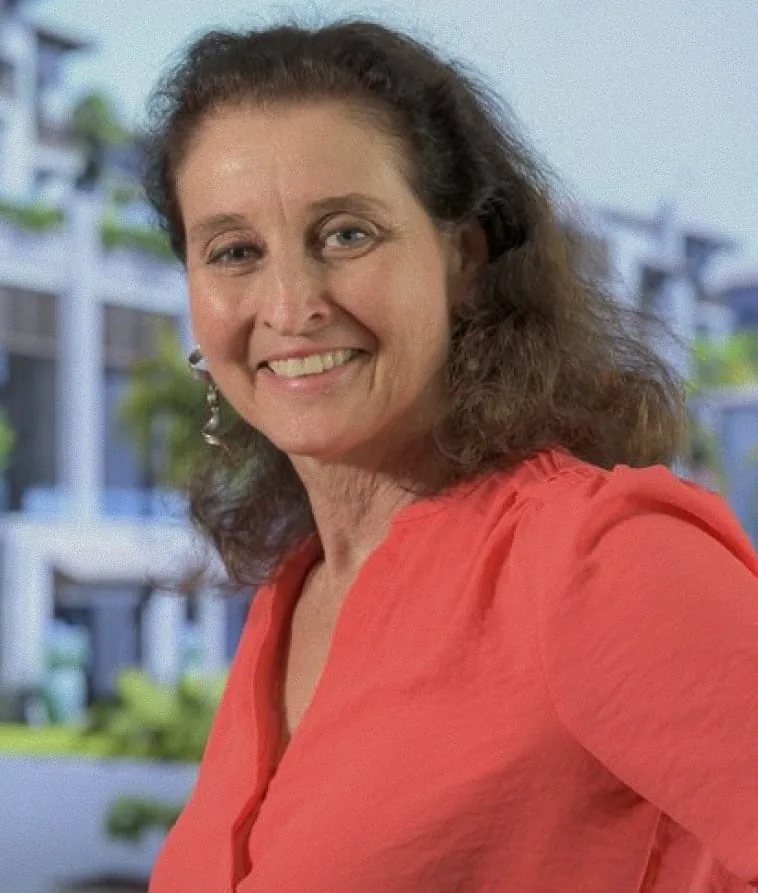
Liora Haymann in a red blouse, smiling, a rendering behind her
Liora Haymann

“Twenty years ago, OBMI was one of the very first companies working in a global way, when nobody else was. Baudilio drew a map of the world on the wall and talked about this network of unique hotel destinations across the world. That's when I got sold on it.”

— Liora Haymann

Le Royal Mansour opens in 2010, and a prominent Middle Eastern royal figure stays there, asks who the architects are, and gives OBMI a body of work that continues today.

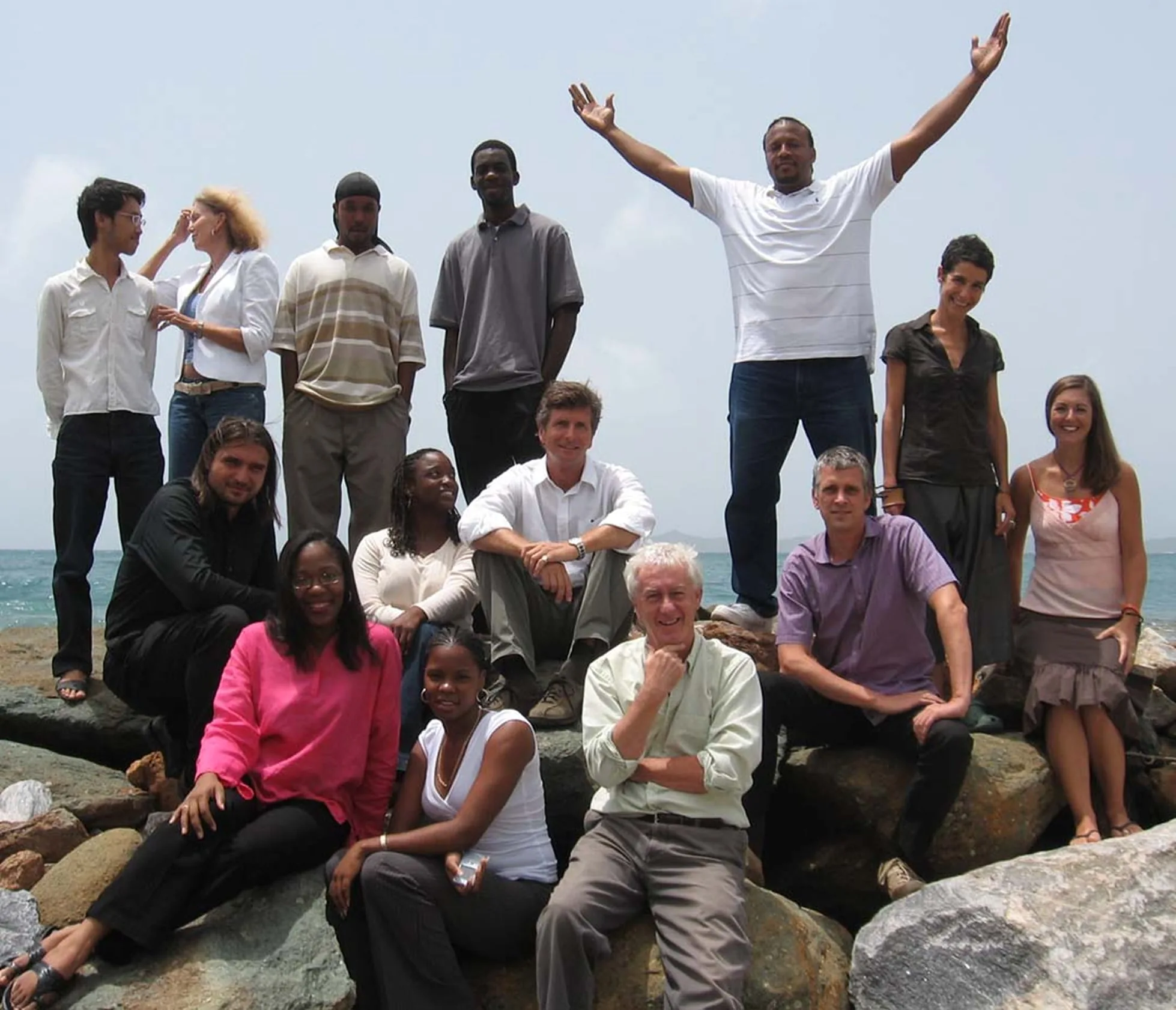
The OBMI Tortola team posed on the rocks by the sea, one man at the back with both arms raised
The Tortola team, circa 2007

The leadership that holds the firm together through this period (, , , , and a smaller Miami team) lays the foundation for the next chapter of the practice.

The OBMI seventy-fifth anniversary mark: the letters over a hand-drawn 75, on blue
2011 · OBMI turns seventy-five
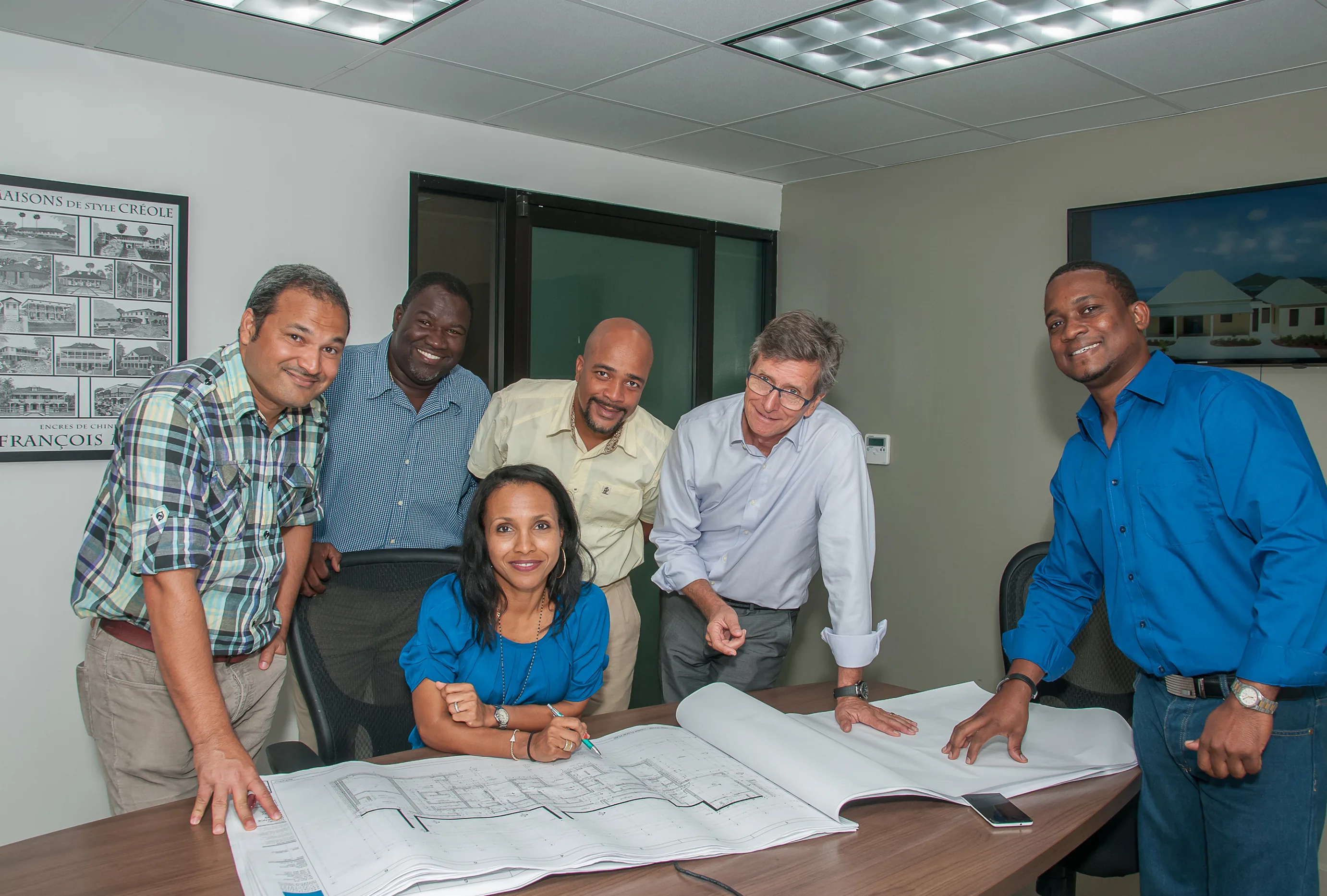
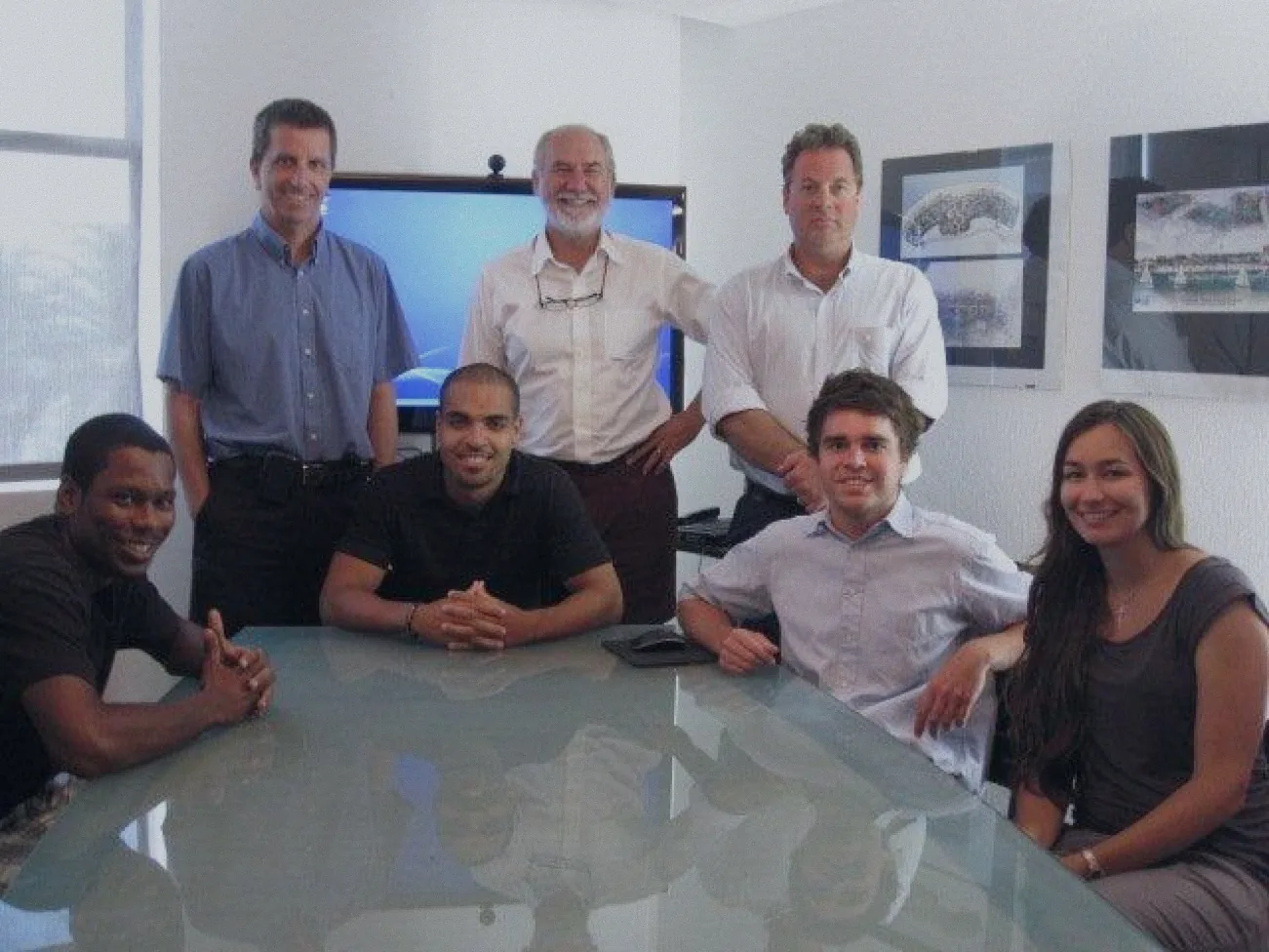
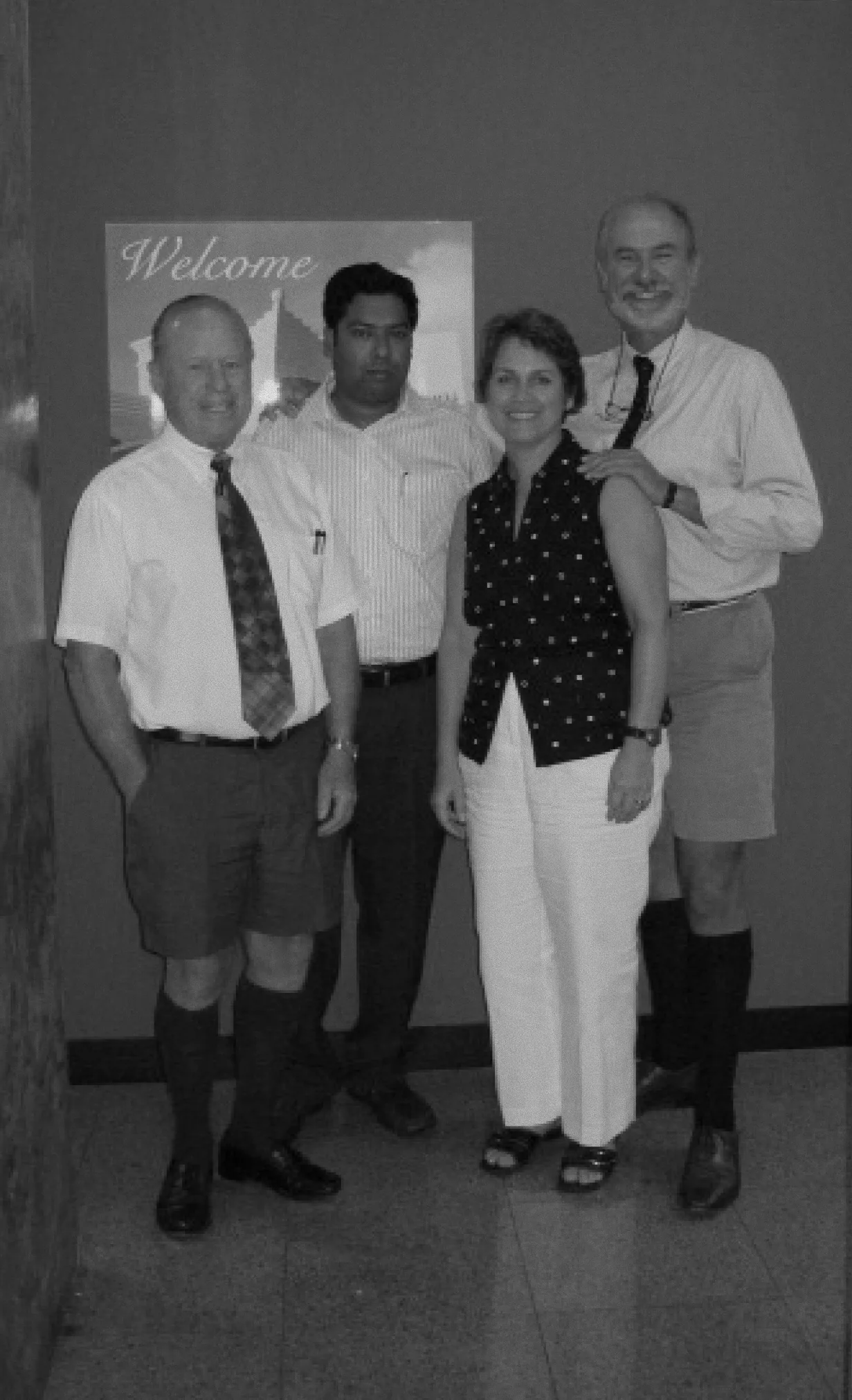
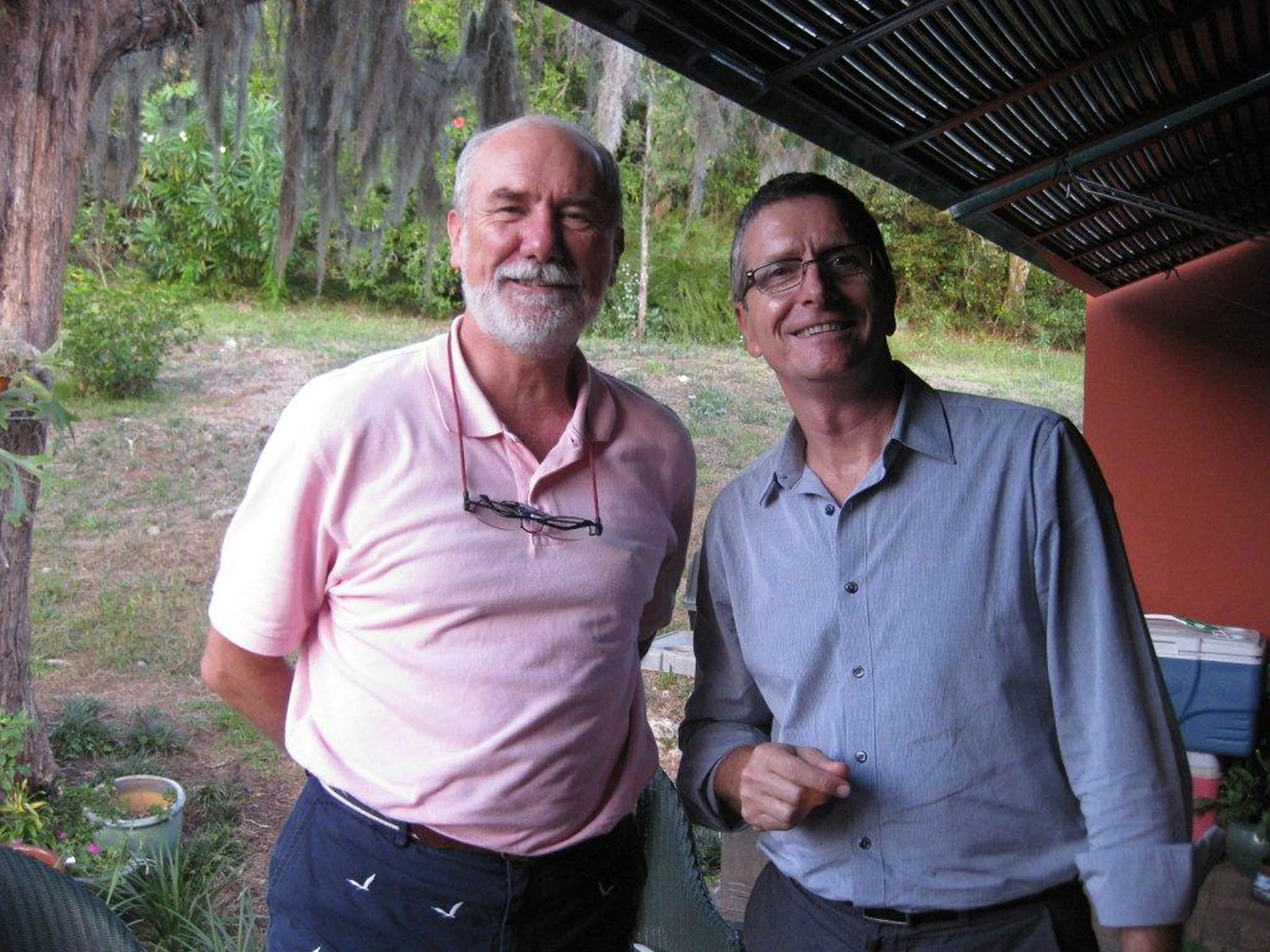
A design charrette in 2007: Liora Haymann and colleagues around a table covered in drawings and laptopsLiora Haymann at a charrette in 2007, a long table of colleagues taking notes around herDoug Kulig presenting a masterplan to a team around a table in 2008, a screen and pinned drawings behind himDoug Kulig writing at a boardroom table, two younger colleagues beside himSix members of the team leaning over a set of blueprints in a meeting roomSeven members of the team around a glass table in the Miami office, renderings on the wallFour members of the BVI office in front of a Welcome poster, a black and white photographCollin Campbell and Tim Peck side by side under a pergola, 2011

Ascent: Back to the islands, into the Gulf

2015–2018

The work that follows takes the practice into an elevated register of commissions and discretion that few firms operate in, becoming specialists in the world of Palace design.

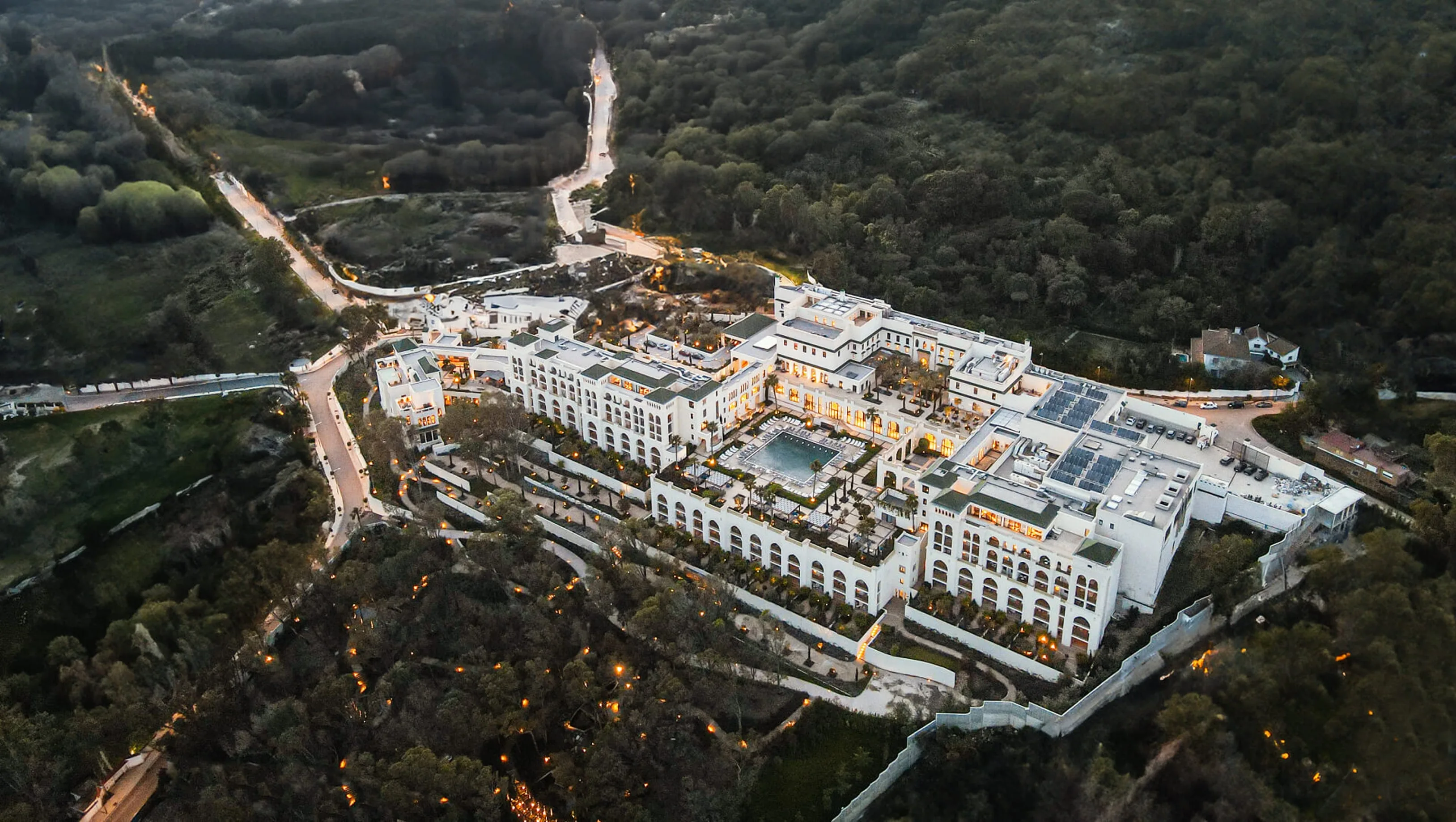
The Fairmont Tazi Palace at dusk from the air, its white terraces and arcades lit against the wooded hills above Tangier
Al Hamra Palace Hotel, Jeddah, Saudi Arabia

In 2015, OBMI returns to Bermuda to design the St. Regis, and the key to its future turns out to have been in its past all along: the island roots that gave the practice a sensitivity to how development shapes communities, culture, and context.

The St. Regis Bermuda, beside the old fort at St. Catherine’s
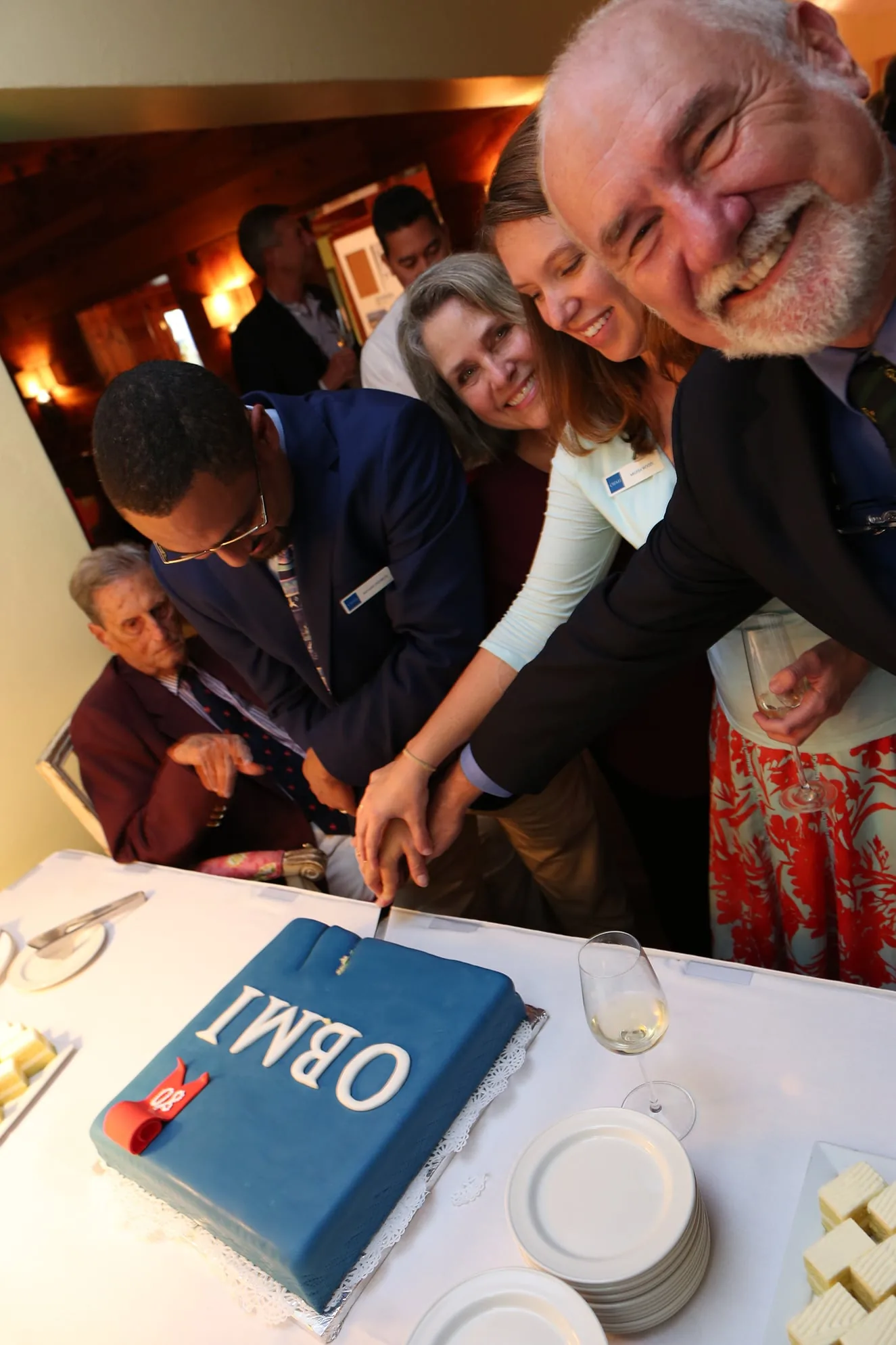
The OBMI team cutting a blue cake marked eighty, their hands stacked on the knife
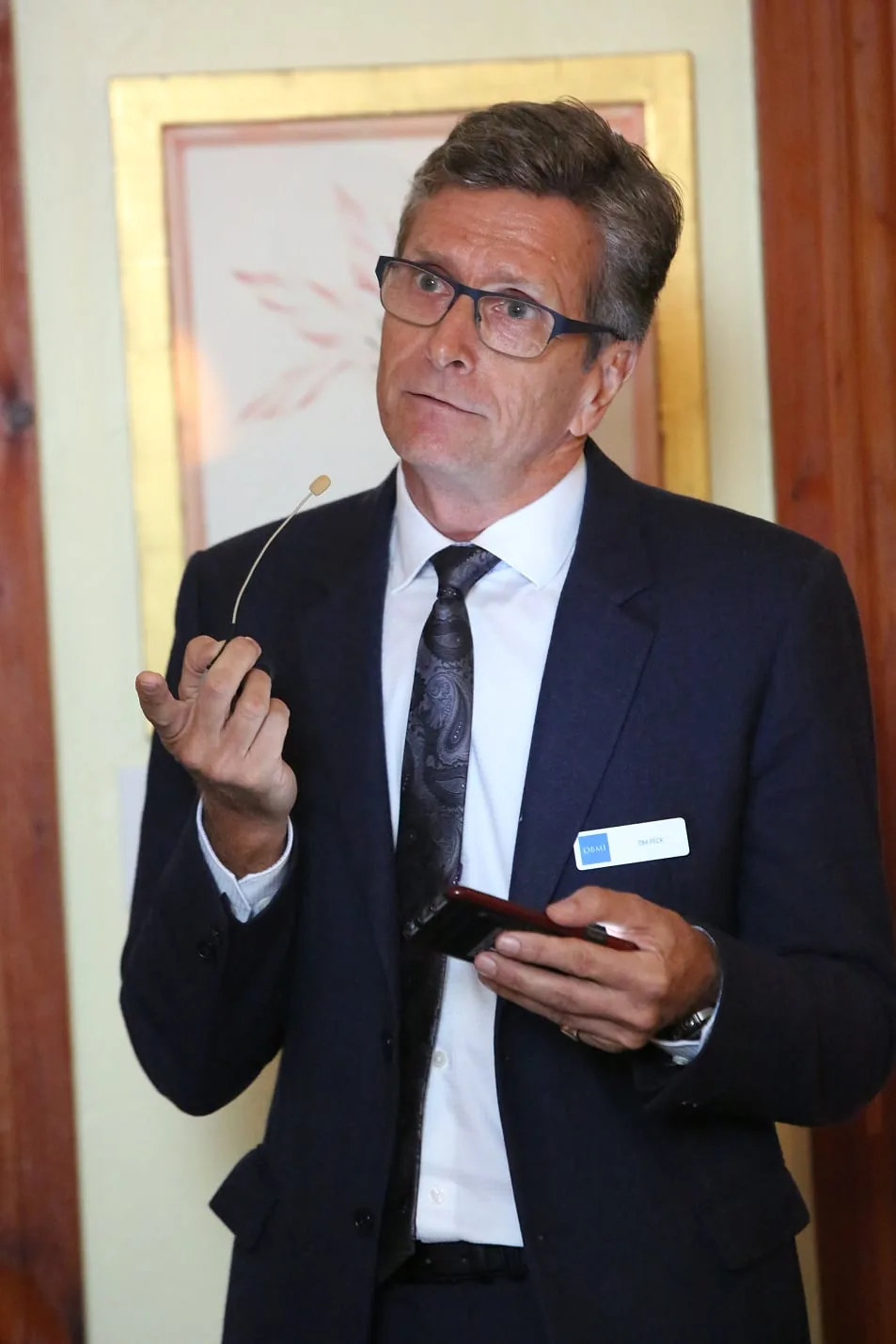
Tim Peck speaking at the anniversary party, a microphone in his hand
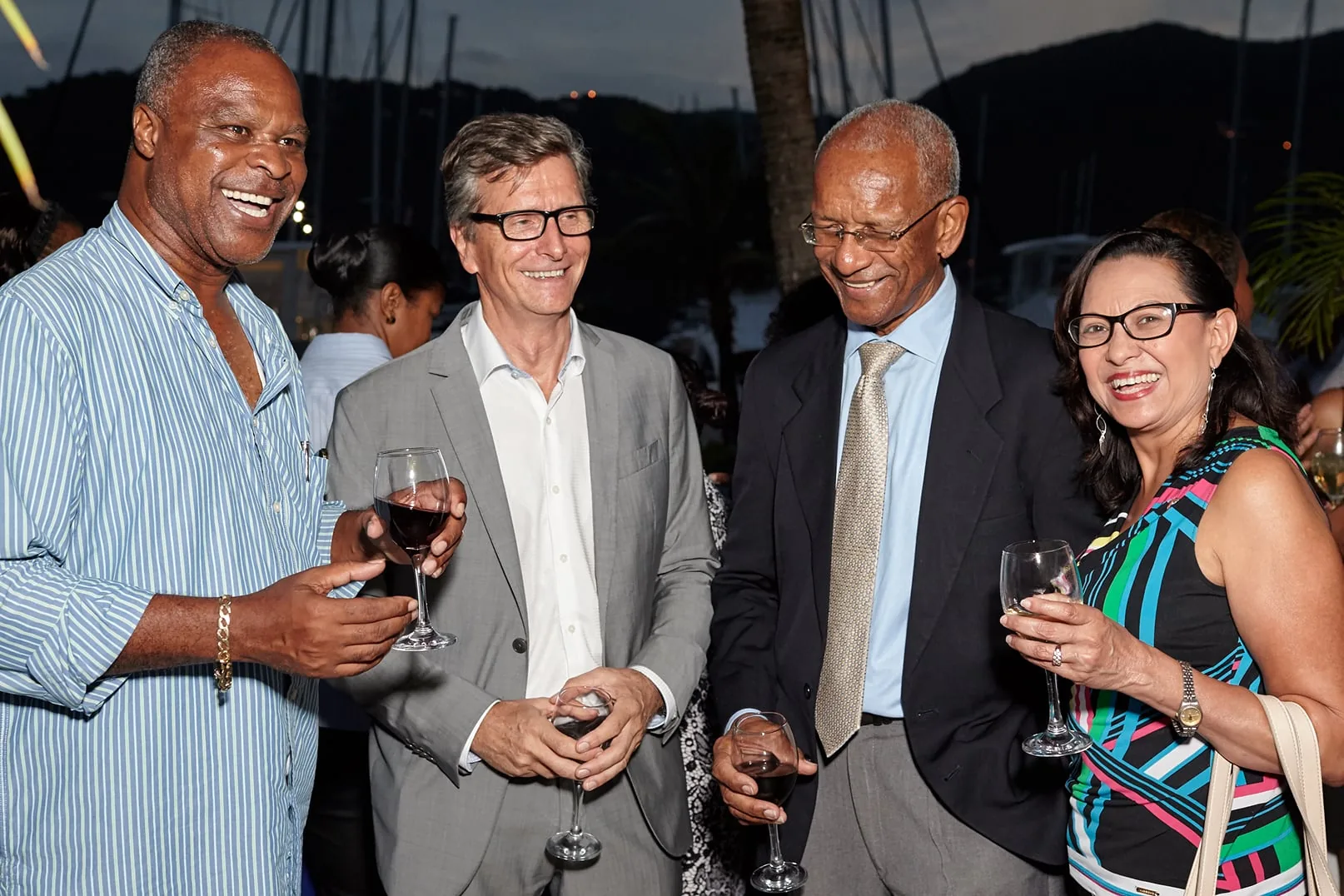
Four guests laughing with glasses of wine at the marina at dusk

Storytelling becomes increasingly embedded in the design process. In 2018, OBMI opens an office in Riyadh as Vision 2030 reshapes Saudi Arabia's hospitality industry, and the Gulf opens to a new generation of development.

The Kingdom Centre tower in Riyadh against a pink evening sky
A signing ceremony, with the Saudi, PIF, Ardara and OBMI flags on the table

Adapt: Dubai and a halt stop

2019–2021

In 2019, Tareq El Zayat joins OBMI with a brief to take the practice beyond its established markets, into the Middle East, North Africa, and the wider region, beginning with signing a lease on OBMI’s Dubai studio.

He flies to Miami for a meeting, and on his way back through London the borders close.

He spends six months there while the Dubai studio sits empty.

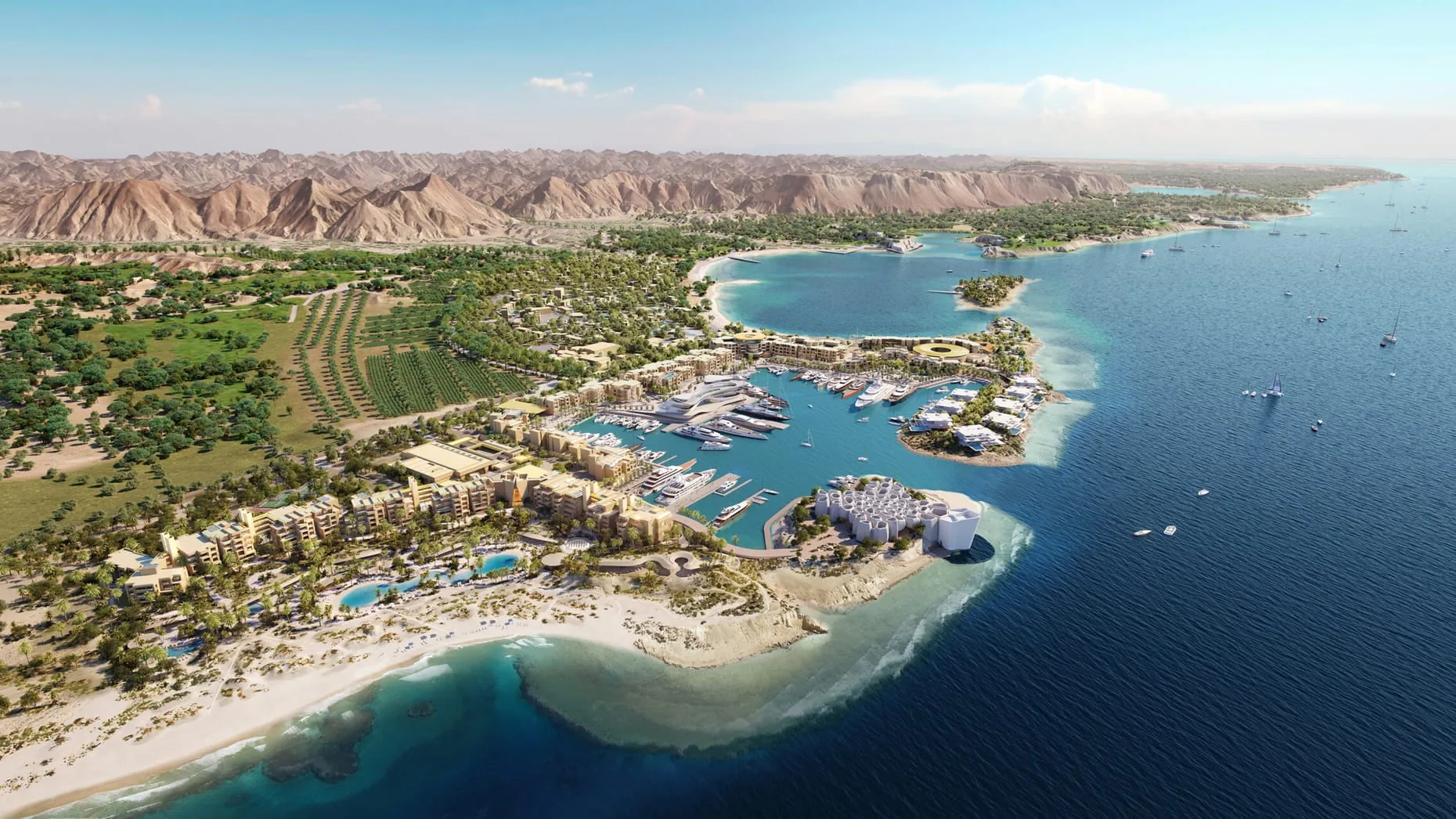
Four Seasons Amaala on the Red Sea coast, a marina and low white buildings against the mountains

During lockdown, OBMI wins the competition for Four Seasons Amaala on Saudi Arabia's Red Sea coast, part of the largest tourism development programme in the world.

The pandemic grounds the hospitality industry worldwide, but OBMI's international workflow means remote collaboration is already in the firm's muscle memory.

Momentum: Tangier, Dubai, London

2022–2024

2022 · Tangier

The Fairmont Tazi Palace opens in Tangier, restored from a building begun a century earlier. Condé Nast Traveler names it one of the best new hotels in the world.

Fairmont Tazi Palace at dusk, seen from the air on its wooded hill above Tangier

2022 · Aera

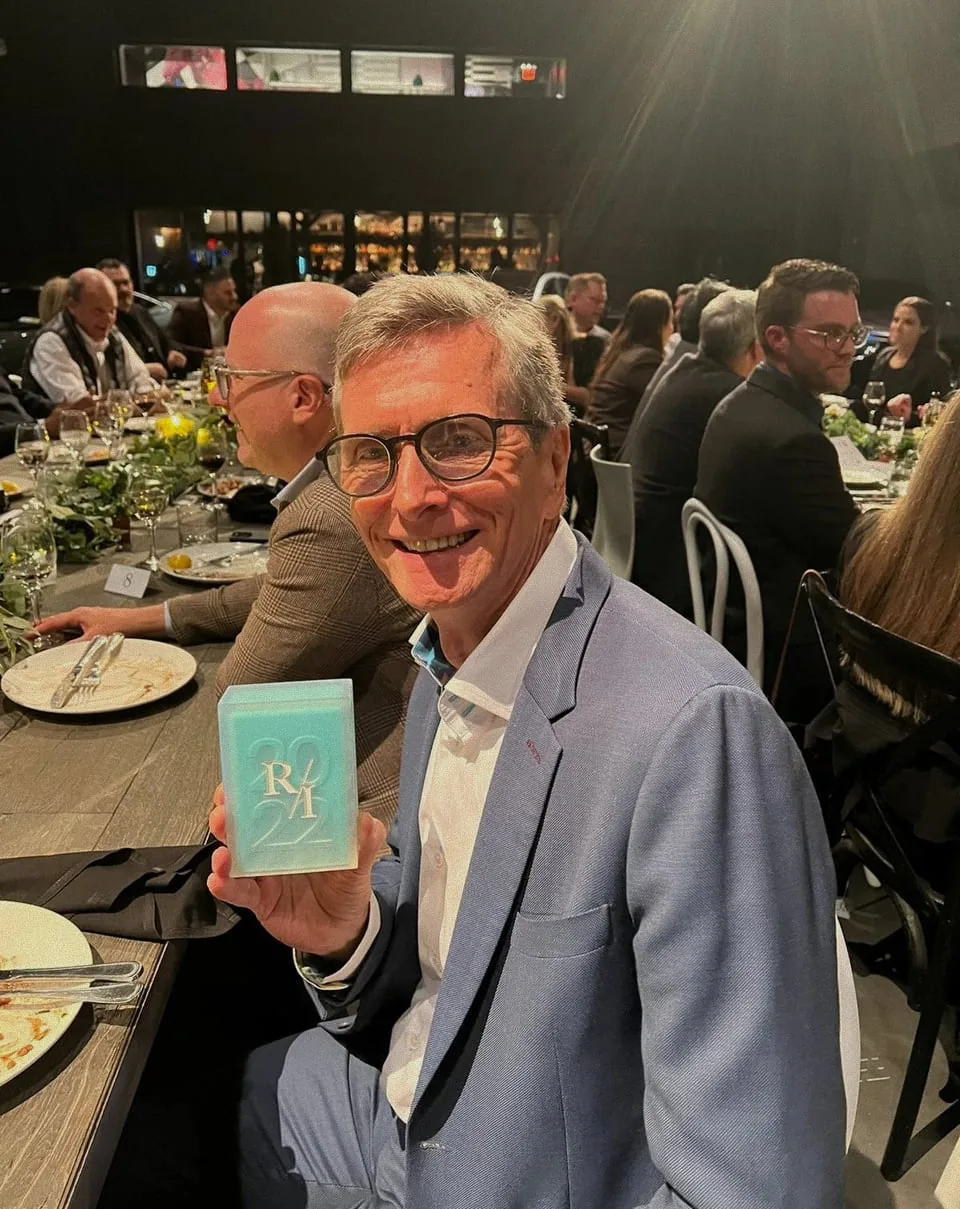
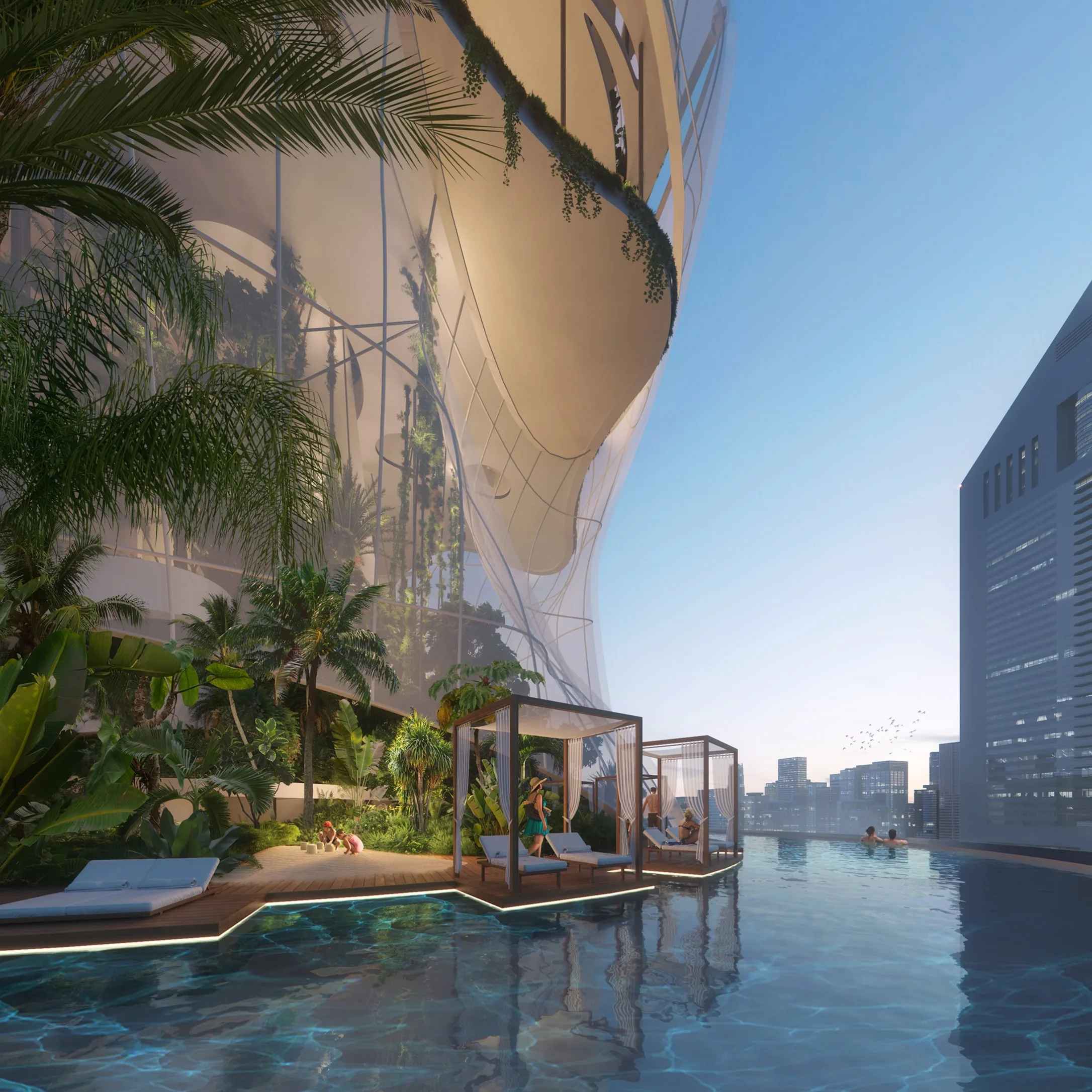
OBMI wins the Radical Innovation Award for Aera, a vertical resort concept stacking a full guest experience upward instead of outward. The same instinct that shaped its island beginnings, building carefully within limited space, had found a new form.

Tim Peck at the awards dinner, holding up the Radical Innovation AwardThe 2022 Radical Innovation Award, a block of pale blue resin, held in a handThe award ceremony stage, Aera projected on the screen above the audience
Aera: a vertical resort wrapped in a glass canopy, terraces and gardens stacked inside it against a city skyline
A pool terrace inside Aera, cabanas and palms under the curved glass skin, the city beyond
A garden inside Aera at night, mist and coloured light between the trees

2023 · Dubai

Maud Capet, born in Martinique, arrives from Dubai as Associate Principal of Interior Design, drawn to OBMI's Caribbean roots.

Maud Capet, smiling, in a dark green jacket against a stone wall

“When you ask guests if the interior was nice, they don't remember it. They remember the concierge who greeted them and told them a little story about their grandmother. It's that human experience that makes people connect with a space.”

— Maud Capet

2023 · Dubai Design Week

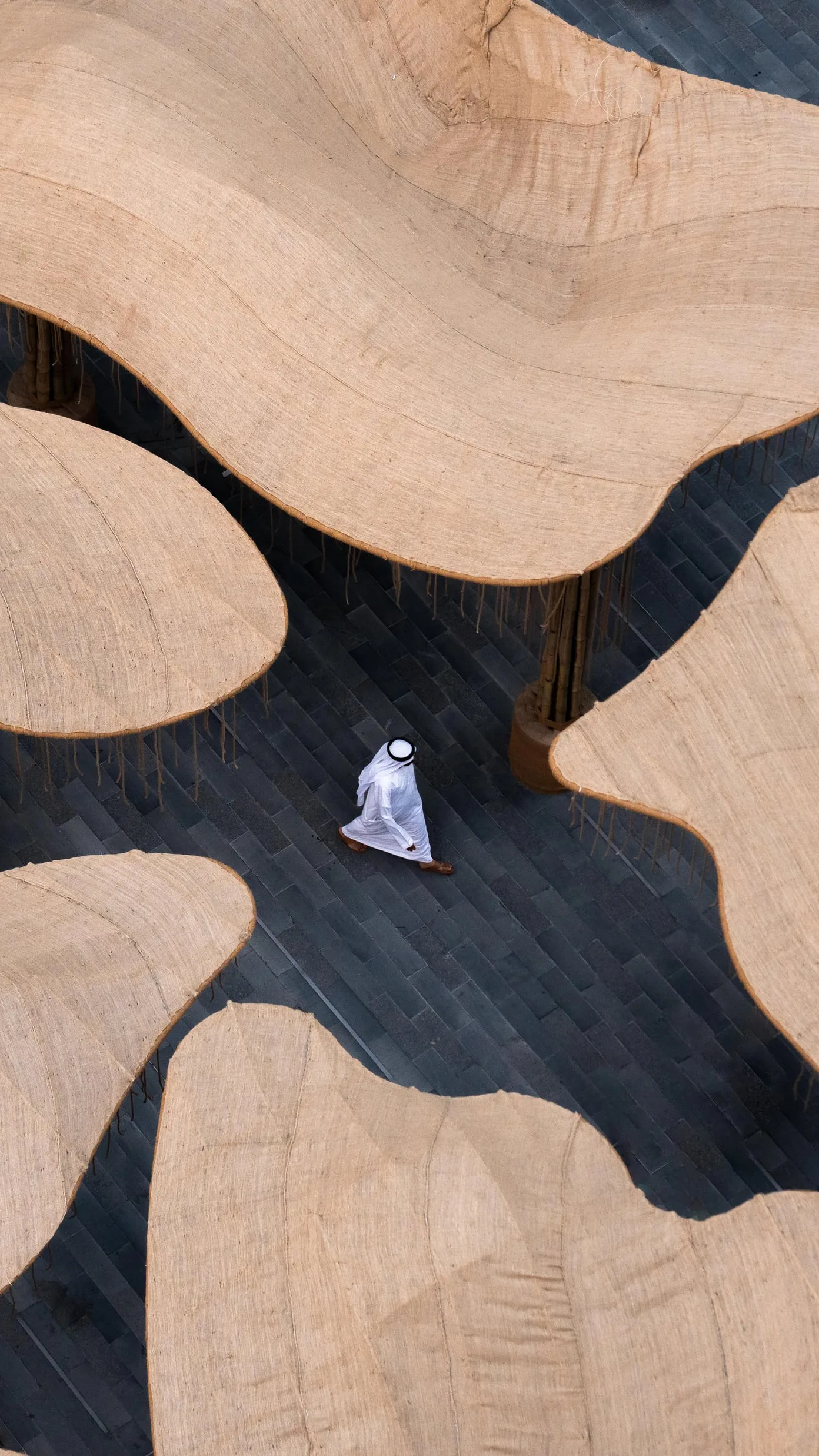
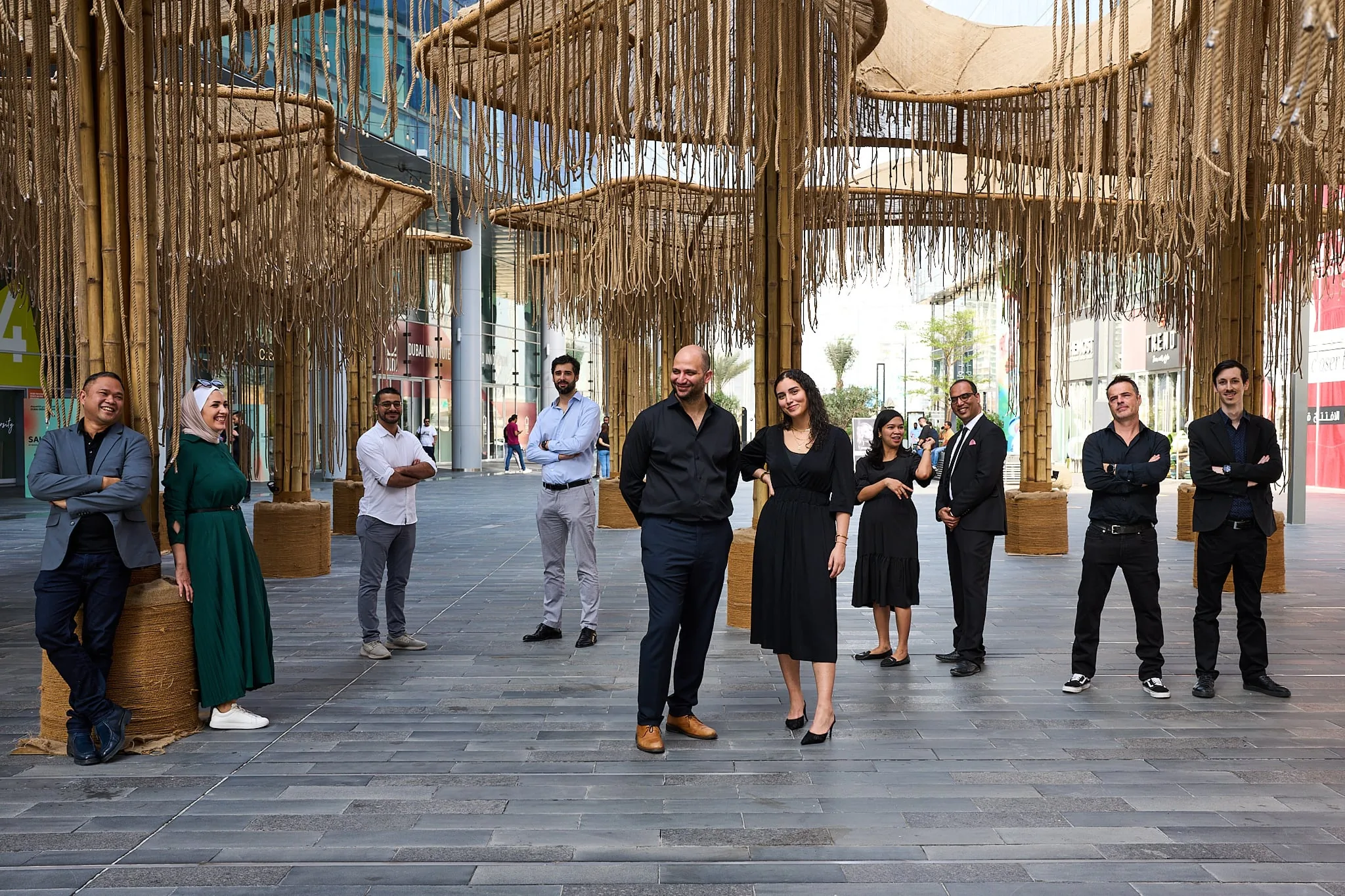
OBMI's pavilion "Once Upon a Forest", created for Dubai Design Week, is shortlisted for the World Architecture Festival (WAF) Awards in the completed displays category. Inspired by the UAE's mangrove forests, the installation reimagined that landscape as a shaded, communal space within Dubai Design District.

The pavilion's jute canopies seen from beneath, glass towers and blue sky between themThe pavilion from above: undulating jute canopies over a paved square, one man in white walking between themThe OBMI Dubai team standing beneath the pavilion's hanging ropes
Drew Gilbert, a black and white portrait

“You have ninety years of data, and AI runs on data. It's an amazing way to benefit from a ninety-year legacy that other companies simply won't have.”

— Drew Gilbert

2024 · London

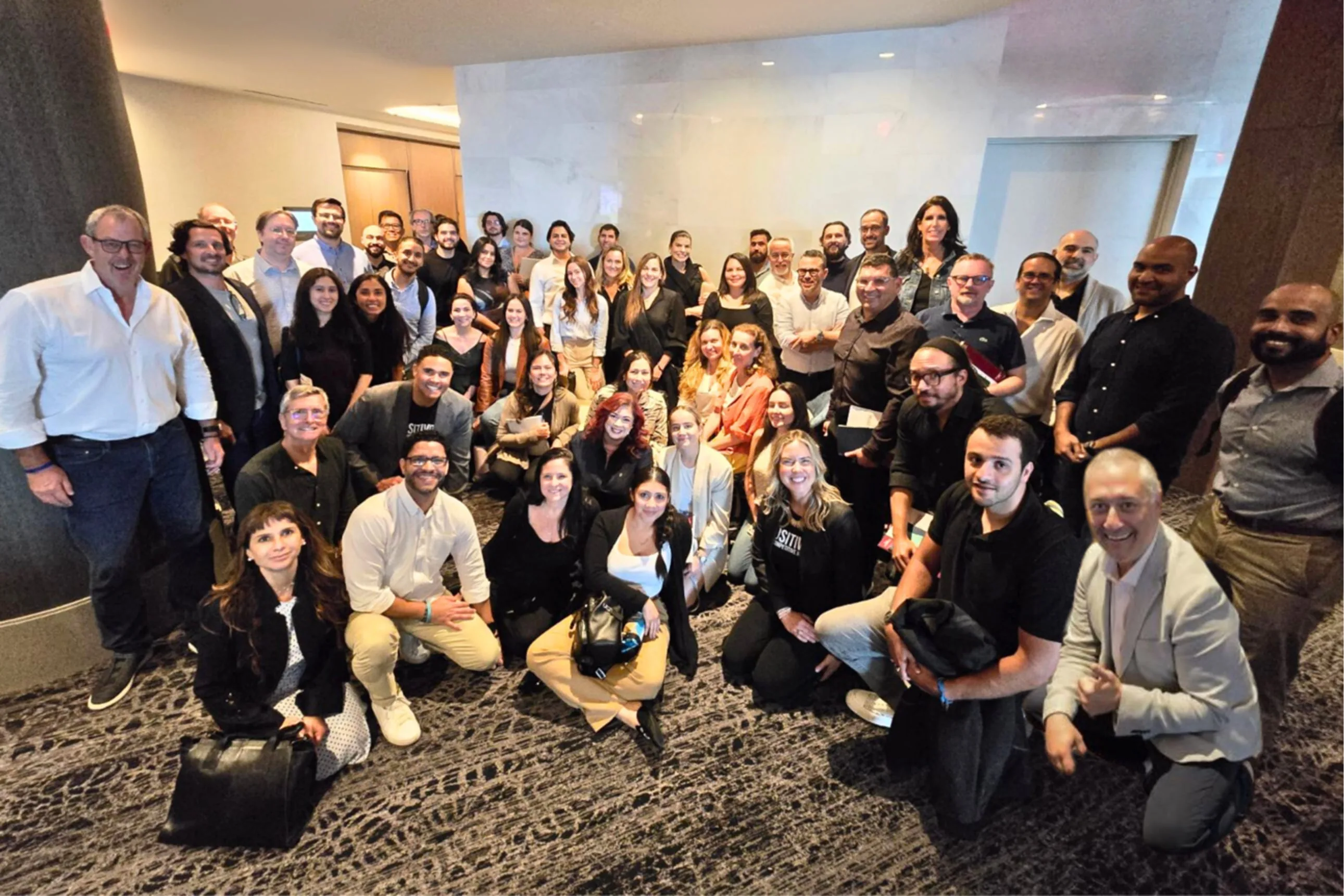
The Dubai studio has grown to fifty people and the MENA region accounts for three-quarters of OBMI's global revenues. Tareq El Zayat opens the London studio eight months after proposing it to the board, targeting European design talent and the hospitality market the city anchors.

The OBMI team, some fifty people, gathered in a hotel lobby

Tareq El Zayat joined OBMI as Managing Director of the Dubai and London studios, went on to become a Principal, and is now CEO of the EMEA region and OBMI’s Global Head of Growth and Strategy. His background in civil engineering and construction law lets him read a project’s technical and commercial sides together. The relationships he builds with owners, developers and operators bring OBMI in as a partner from the earliest stages.

The OBMI London office: a glazed meeting room with the OBMI mark on the door, warm timber and a long table

Renewal: Ninety years young

2026 ∞

Today, OBMI is a team of 130 people from thirty-eight countries, speaking thirty-three languages and working across Bermuda, the British Virgin Islands, the Cayman Islands, Dubai, London, Manila, Miami, Riyadh, and Trinidad and Tobago.

Six members of the OBMI team in conversation on a panel stage, seated in a row of armchairsTim Peck and two colleagues over a drafting table covered in drawings and rolls of trace
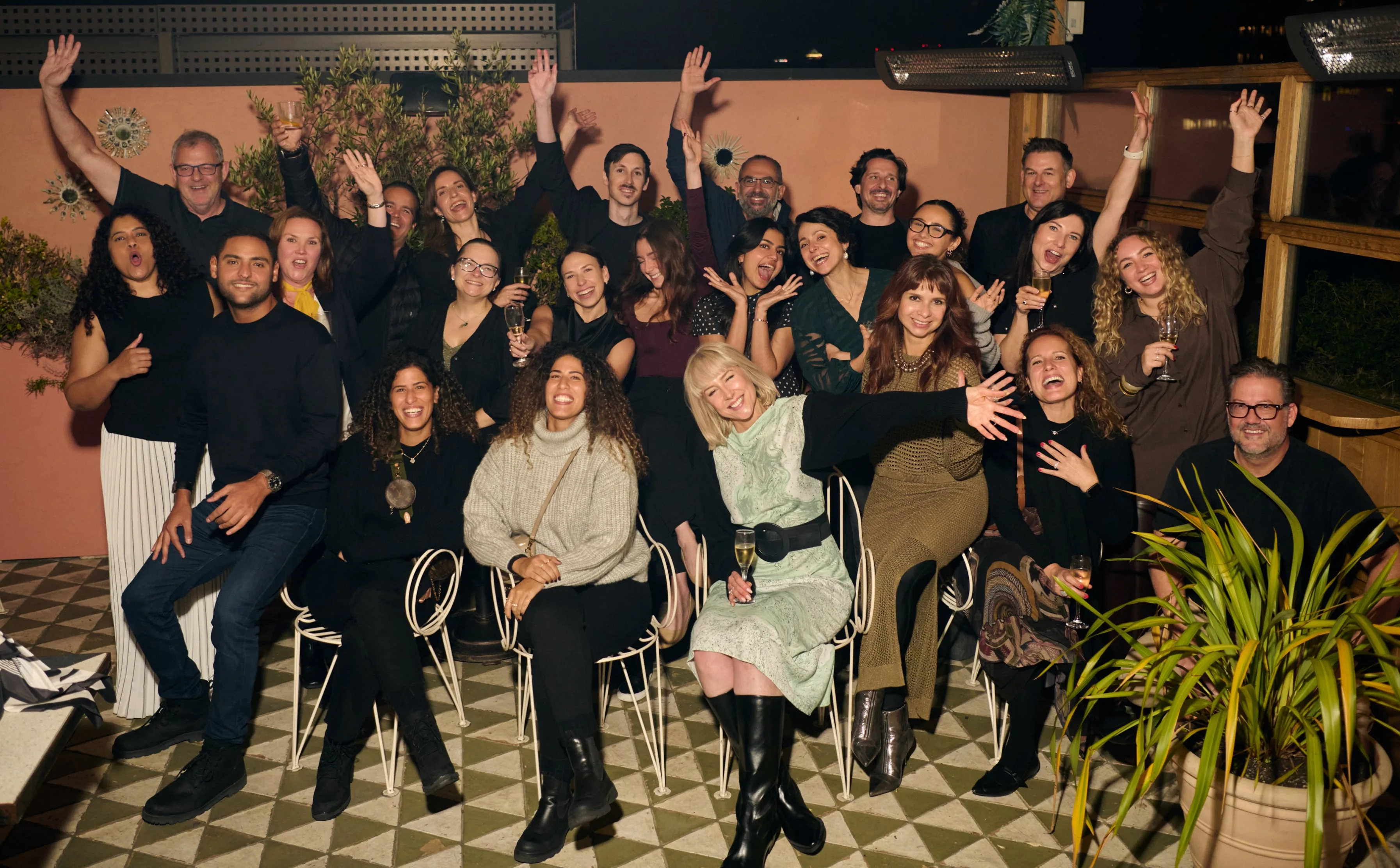
The OBMI team celebrating on a terrace at night, arms raised, glasses in hand

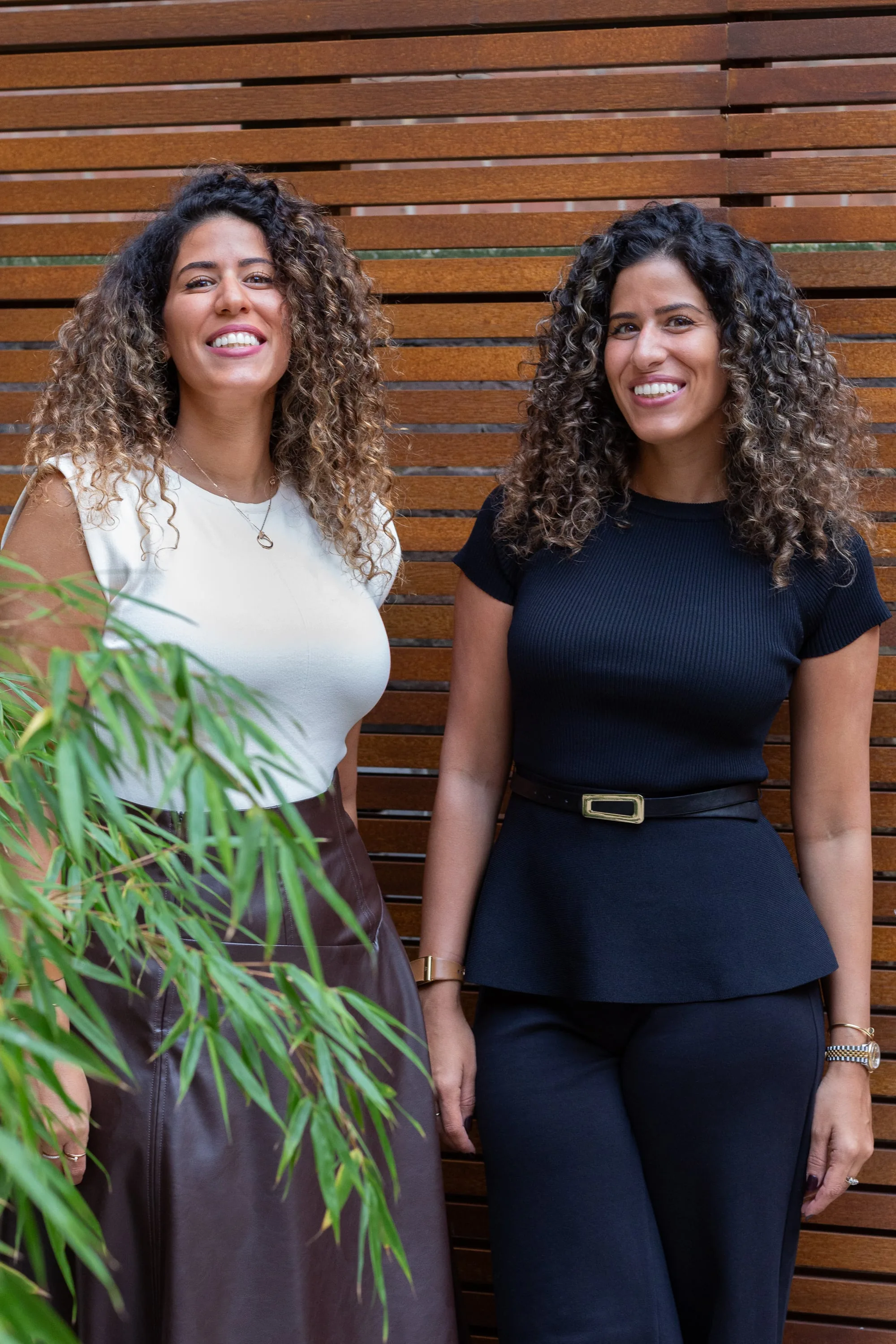
“It's not history, it's a living story. OBMI is a strong tree with strong roots, and the new generation are the leaves that make it flourish.”

Nadeen and Shereen El Margoushy, laughing, against a slatted timber wall
— Nadeen & Shereen El Margoushy
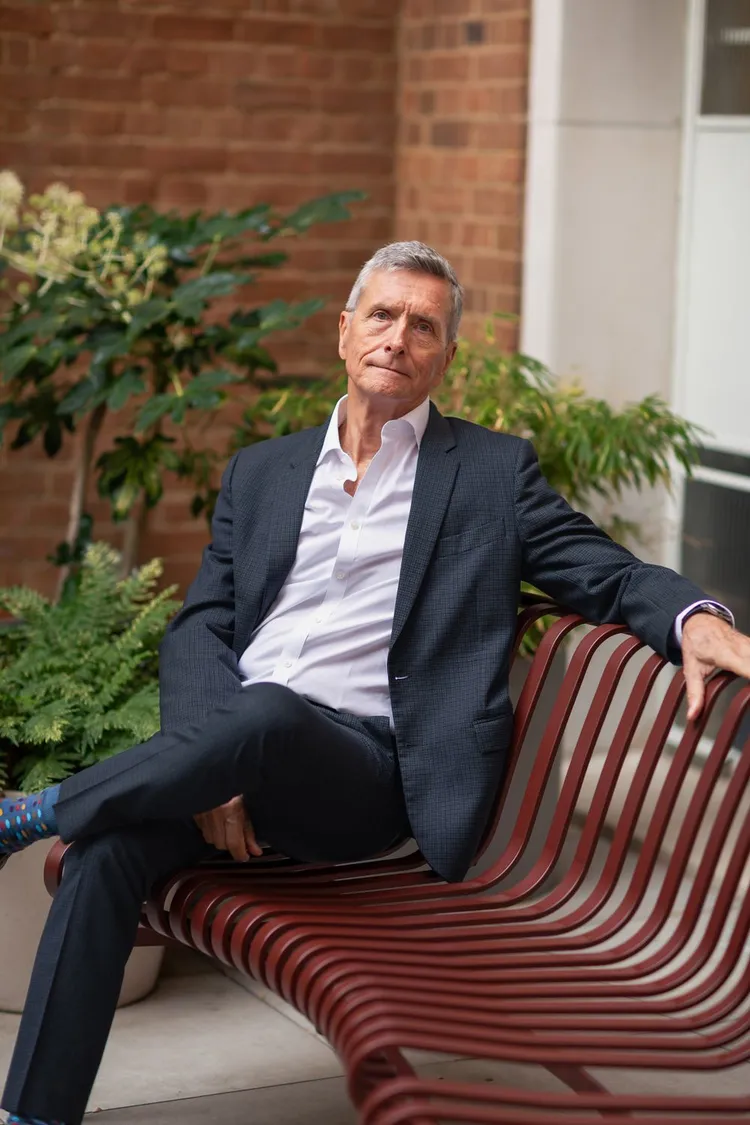
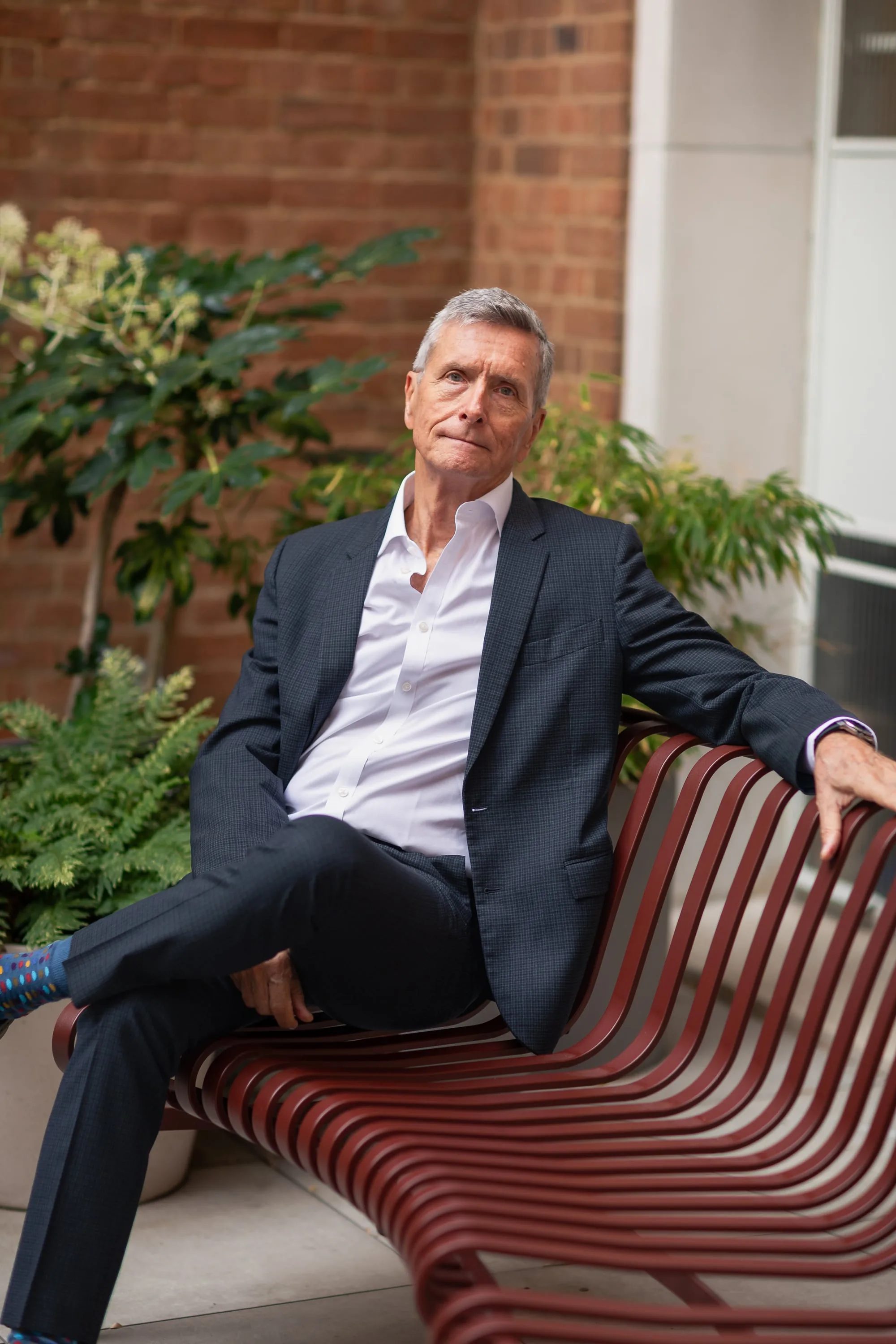
Tim Peck seated on a red steel bench in a courtyard, legs crossed, looking into the distance

“I see luxury moving toward what I would call low impact and high emotion. Guests want to come away changed, and they want to know the place they have been to is better for their having been there. The future is quieter — less about spectacle and more about meaning, more about cultural specificity. Technology will all but disappear into the background, absorbed into service. For me, it has always been about creating places with character, with careful footprints, and with a legacy of value for communities long after the guests have gone home.”

— Tim Peck

As Tim Peck puts it, most architectural firms don't exist beyond a generation. OBMI's ninety years have been a continual process of evolution and reinvention, sometimes forced by circumstance, sometimes opportunistic, sometimes the result of deliberate forethought.
  1. Origin
  2. Signature
  3. Discipline
  4. Venture
  5. Horizon
  6. Resilience
  7. Ascent
  8. Adapt
  9. Momentum
  10. Renewal

The next chapter is now.