


The Intersection of Social Wellness in Hospitality Design
by Tim Peck
In honor of Social Wellness Month, OBMI+ explores hospitality’s role in nurturing social relationships and providing opportunities for interactions to enhance our physical and mental wellbeing.
The past year has made it evident how crucial connection and interaction with the outside world is to our happiness – reinforcing the need for social wellness in many aspects of our lives. When exploring this idea, I looked up the definition of hospitality, the industry that we are all intrinsically linked to, and found it is defined as “the friendly and generous reception and entertainment of guests, visitors, or strangers.” This definition reinforces the fact that social wellness and hospitality are innately intertwined.
We, at OBMI, have always found it critical that our projects relate strongly to their context and community. We strive for our hotels or resorts to become a part of the future history of the community – being woven into the fabric of its social and physical setting rather than being painted over its context. With our roots in the Caribbean islands, which rely heavily on tourism income, we have seen too many developments that are created to be isolated from their surrounding community, resulting in local resentment and loss of opportunity for an authentic Caribbean experience for the guest. This interaction with the local area and culture is vital to the contemporary guest experience and ties intrinsically into the concept
of regenerative tourism and the opportunity to benefit the social wellness of both the guest
and the community.
In the wake of the pandemic, there were some inevitable changes within the hospitality space that cater to aspects of privacy and social distancing that will dictate the future of hotel design. However, a vital component of the experience is still the opportunity for curating social interaction for the guests, with this interaction extended to the surrounding community.
This is particularly true in the urban context, where hotels are becoming valuable landmarks of the location, offering the opportunity for guests to immerse themselves in the local culture and the hotels themselves to serve as a go-to spot for the community and events.
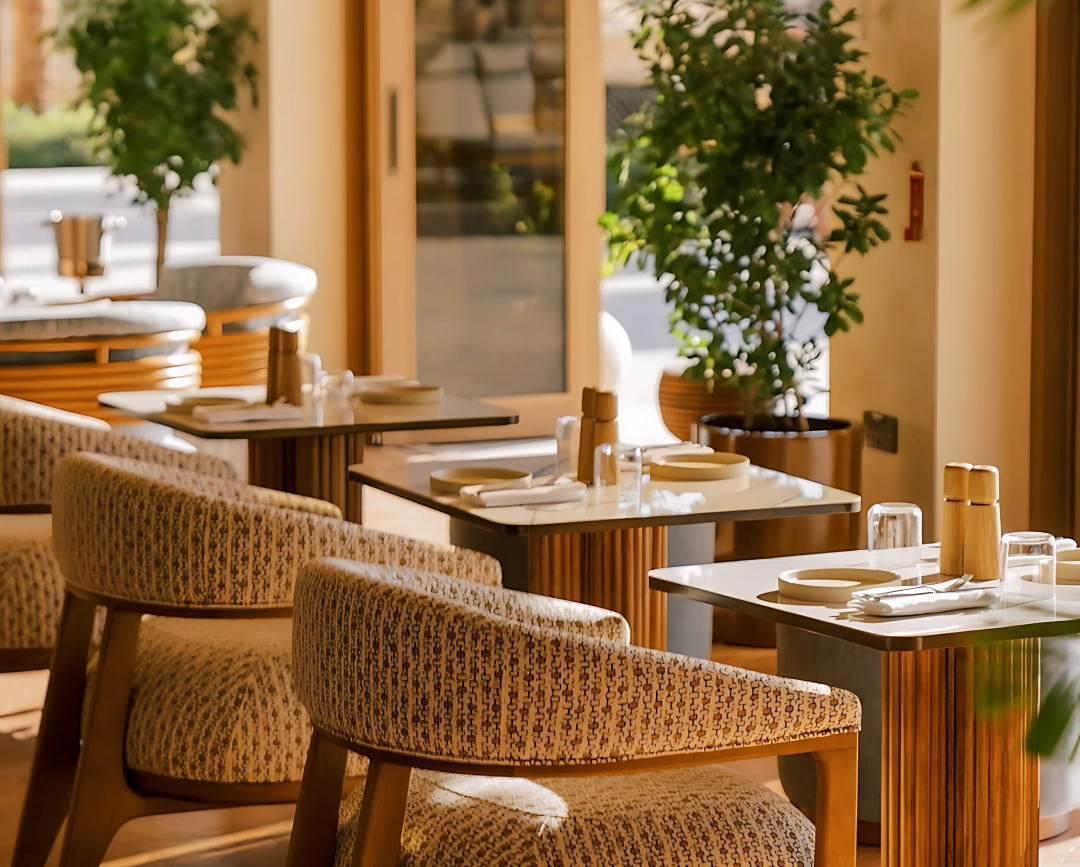
To allow for this type of fluidity of the space, designers will need to curate slightly more flexible applications of some of the social spaces within the hotel, with reception lounges and dining spaces being adaptable to host functions, art experiences, or fashion events. We are now seeing the additional opportunities for embedding co-working into the hotel product, leveraging the concept of working from anywhere, and blending aspects of work and play. This may create interesting opportunities for revisiting some of the banqueting and meeting spaces that are currently underutilized and reinventing them for more multi-purpose use.
As architects, we feel empowered to improve health and wellness through design. We hope this month all designers use their talents to create spaces that foster relationships and act as a bridge for communication.
Let’s celebrate social wellness for all of our hospitality projects and allow staff, community, and guests to benefit from this positive interaction. Contact our boutique architecture firm today to learn more.