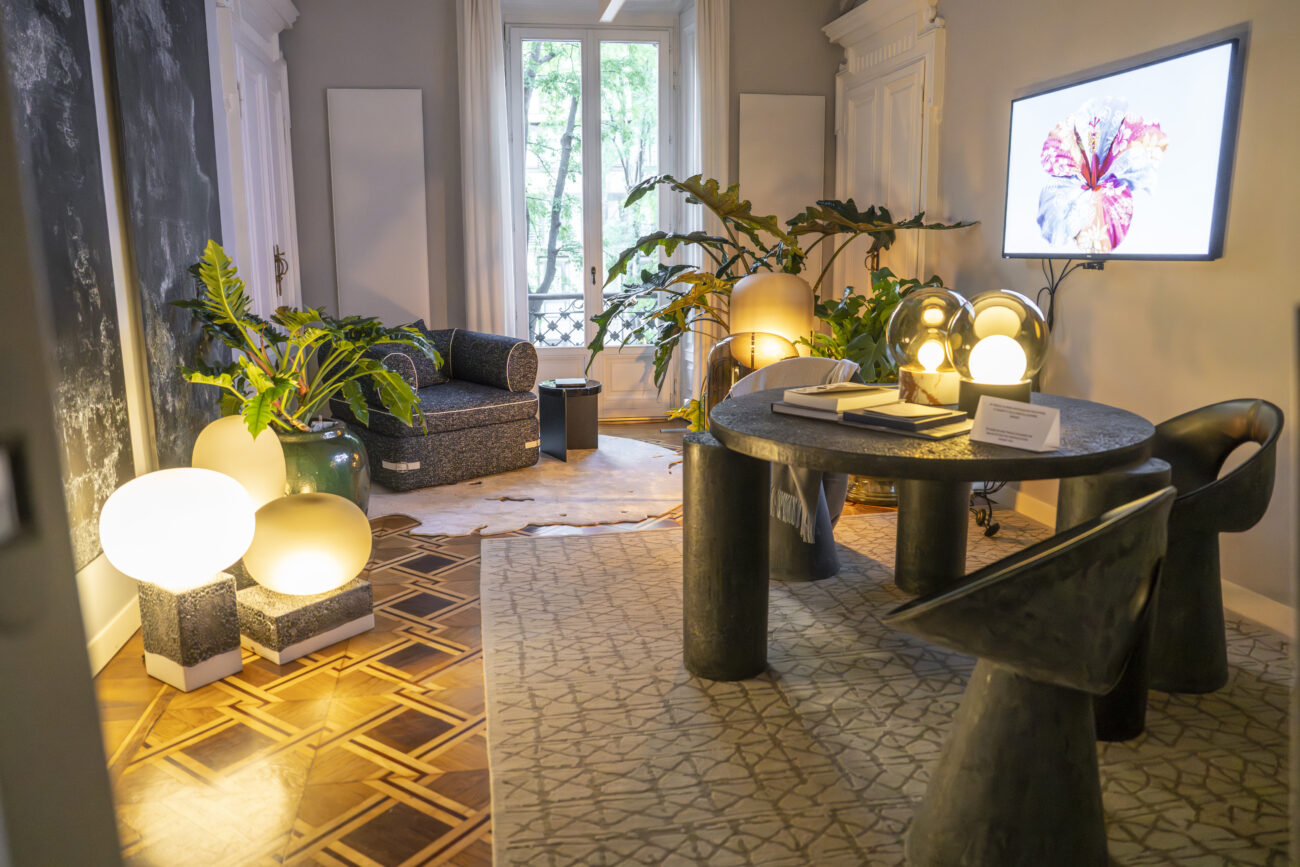



What if we measured sustainability by how it feels?
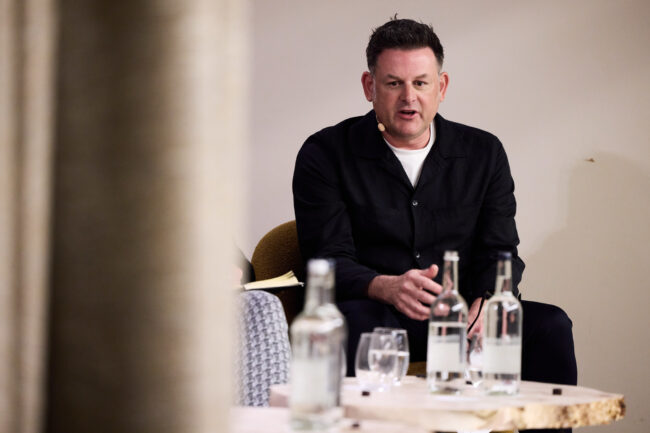
Jamie Webb, Associate Principal, OBMI, speaking at the Festival of Hospitality, London, April 2026.
At OBMI, we’ve spent 90 years designing from a foundation of people, place, and culture. Founded in Bermuda in 1936, our work took us to fragile coastlines and into ecologically sensitive terrain where the environment was a condition of the work itself rather than a backdrop to be designed against. Long before ESG became a framework, designing with and for a place was simply what the work required.
When I hear the industry talk about sustainability today, I find myself asking a question our existing tools don’t quite answer: does designing sustainably actually make people feel better? Not abstractly or ethically, which of course matter, but in the way a space actually feels to be in.
I’ve started calling this “felt performance.” This isn’t a replacement for the certifications and carbon targets we work towards, but something that should sit alongside them. What percentage of guests feel a genuine sense of place when they arrive? How many leave feeling more connected to a local community than when they checked in? How many engage with a hotel’s sustainable ethos not because they’re nudged into it, but because it feels like a natural part of where they are?
Some of our best work — in Morocco, Montenegro and Spain — succeeds because sustainability isn’t a layer applied over the design. It is the design. The materiality, the orientation, the relationship to the landscape, the supply chain for the restaurant, the craft traditions informing the interiors aren’t sustainable in spite of being beautiful, but beautiful because of their rootedness. Guests feel that, even when they can’t necessarily articulate it.
The standards we work to create a valuable floor. But a floor is not a ceiling, and the ceiling is where the interesting work happens. None of the major frameworks are particularly good at measuring whether a guest feels happier, more rested, or more connected to a place than they did when they arrived.
What I’d like to see the industry move towards, and what we’re pushing for at OBMI, is post-occupancy evaluation that includes not just energy consumption data, but structured feedback on thermal comfort, perceived air quality, and emotional connection to place. Design teams held accountable, and credited, for outcomes that currently disappear into the gap between handover and operation.
The next generation of design briefs should be asking how a space will make people feel, and how we’ll know. These aren’t easy questions, but they’re the ones most likely to change what we build, and how well it lasts.
Jamie Webb is an Associate Principal at OBMI, where he leads projects across masterplanning, urban regeneration and architectural design. OBMI has been designing with people, place and culture at the centre for over 90 years.
This piece was developed from Jamie’s contribution to ‘Ambition + Action + Accountability = Change‘ at the Festival of Hospitality, London, April 2026.