


Lessons from the Caribbean: Designing with Communities
When OBMI began its journey in the Caribbean over 89 years ago, we didn’t just parachute in to design resorts. We became part of the communities we were shaping. “When we were living in the Caribbean, we lived and breathed the impact of development on small communities,” recalls Tim Peck, OBMI’s Chairman. On a small island, it is impossible not to see how a new resort touches the lives of everyone, from fishermen to shopkeepers. That awareness instilled a philosophy still at our core: projects cannot stand apart from their context; they must resonate with the community around them. “It made you really conscious of the fact that your project has to really resonate with the community,” Tim explains. “It has to have cultural relevance. It has to have a positive impact on the environment and a positive financial impact for the community, so that the tourism dollar can circulate within the community.”
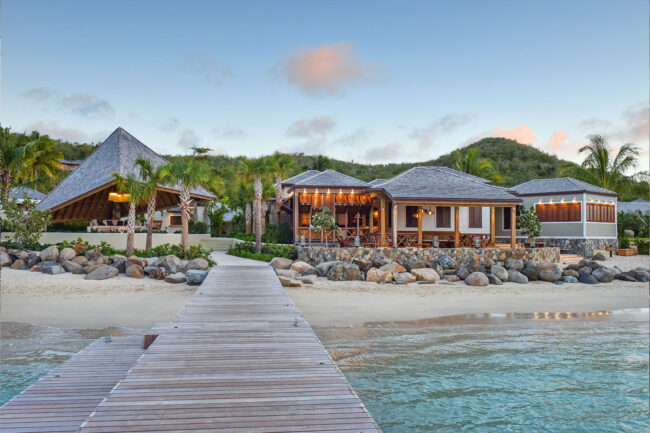
This philosophy has guided generations of projects, from the reimagining of Rosewood Little Dix Bay in Virgin Gorda to the creation of Oil Nut Bay, where large areas of wilderness were preserved and woven into a self-sustaining community. Each of these projects reinforced the same truth: meaningful design is rooted in the community it serves.
You Lived and Breathed the Impact
In the Caribbean, design is personal. Our architects lived among the communities they were designing for. Coffee at a local café, conversations with fishermen about shoreline access, afternoons spent listening to elders. These moments revealed more than any survey ever could. They taught us what mattered most to people: which beaches held cherished memories, which traditions they wanted protected, what opportunities they hoped a new project might create.
At Scrub Island Resort, OBMI preserved public access to beaches while creating opportunities for locals in hospitality and construction. At Oil Nut Bay, island masons and carpenters were engaged to build with native stone and hardwoods, embedding regional craftsmanship into the architecture itself. These decisions weren’t in a client brief; they emerged from dialogue. And because they emerged from dialogue, they generated pride and advocacy within the community.
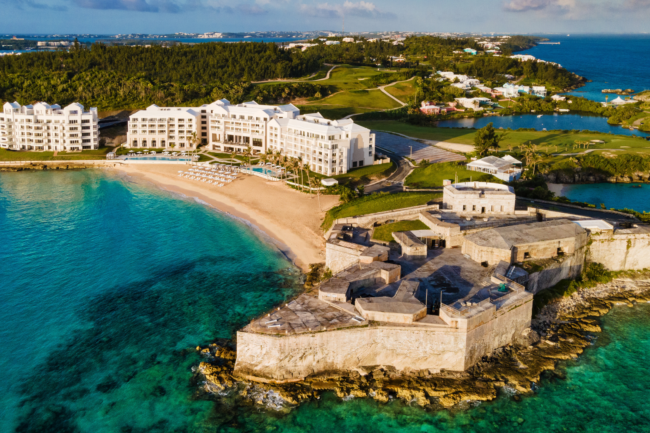
Tim Peck distills this approach into guiding questions that remain central today: “How can our project create entrepreneurial opportunities for the local community? How can we use local resources and local skills?” These questions lead to tangible outcomes. At Rosewood Little Dix Bay, the design retained the low-slung, open-air architecture that locals and returning guests considered part of the island’s identity. At St. Regis Bermuda, the masterplan respected the historic context of St. George’s and safeguarded key sightlines, aligning a landmark hotel with the pride of its host community.

Designing with Communities: Principles in Practice
The Caribbean taught OBMI to codify a set of principles for community-centered design:
- Start with cultural immersion. Walk the neighborhoods, listen to stories, observe daily rhythms. At Little Dix Bay, this led to design choices that honored the resort’s original character, ensuring continuity for both locals and loyal guests.
- Respect the environment. In island communities, sustainability is not a trend but a way of life. At Oil Nut Bay, villas with green roofs and passive cooling systems were conceived as a continuation of traditional responses to climate, reducing environmental impact while elevating guest experience.
- Circulate economic benefits locally. At Scrub Island, supply chains were designed to include local farmers, fishermen, and artisans, ensuring the tourism economy circulated within the island.
- Engage continuously. Community involvement should not be a single event but an ongoing dialogue. In the Caribbean, OBMI hosted design workshops and model-viewing sessions that allowed residents to shape outcomes, building trust and creating shared ownership.
Each principle adds strength to the design fabric. Projects developed this way carry authenticity, reduce friction during approvals, and inspire loyalty among locals and visitors alike. For developers, this translates into long-term resilience, stronger reputations, and brands that stand apart in a crowded marketplace.
Belonging as the Benchmark
At the heart of designing “with, not for”, is a simple truth: people support what they help create. When communities see their input valued, their heritage honored, and their needs addressed, they become champions of a project. This is especially vital in close-knit island contexts, where word of mouth travels quickly. A single misstep can sour perception for years, but a development done right can uplift an entire community’s spirit and confidence.
In Bermuda, when the St. Regis opened along St. Catherine’s Beach, its careful blending with heritage architecture and its respect for the UNESCO-protected town of St. George’s turned what could have been controversial into a point of pride. In Virgin Gorda, the reimagined Little Dix Bay not only restored a storied resort but re-energized a community’s connection to its environment. At Oil Nut Bay, involving local artisans and preserving untouched wilderness made the project feel like a partnership between luxury development and nature itself.
The Caribbean taught us that design excellence goes hand in hand with community wellbeing. These lessons now inform OBMI’s projects globally, from Moroccan palaces to Middle Eastern resorts, but they will forever carry the warmth and wisdom of island life. In the words of Tim Peck, “The best designs don’t just serve a community. They belong to it.” And when a design truly belongs, it lives on, nurtured and loved by those who inhabit it, becoming another enduring thread in the community’s fabric.