


The Fabric of Place: How Storytelling Shapes Design for Communities and Brands
Designing with the local fabric in mind is like weaving on a loom. Each thread of culture, history, and community adds strength and color to the whole. Every place has a story, a rich tapestry of traditions and values that defines it. For architects and designers, tapping into that narrative is key to creating resonant spaces. Rather than imposing a new identity, OBMI’s approach is to weave designs into the existing fabric of a community or brand story.
This philosophy, vividly explained by OBMI Chairman Tim Peck, treats design like the work of a weaver: “You look at all these threads running through the fabric — the cultural threads, the historical threads, the environmental threads, even financial and practical threads — and then you think: which threads do we need to strengthen to give the fabric more strength? What do we highlight in terms of color? We might adjust the pattern slightly, but with respect… we’re not creating a whole new pattern.” In other words, design is a weaving process, interlacing new ideas with the existing context to create something both new and deeply familiar.

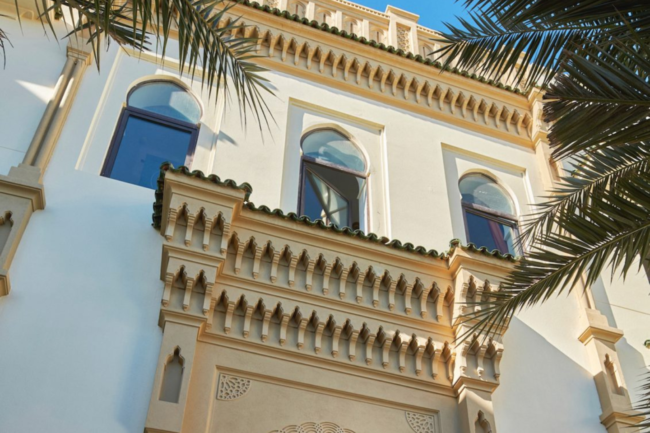
This metaphor is not just poetic; it shapes real design decisions. At Tazi Palace in Tangier, our team began by unraveling the site’s story: its Moorish heritage, Andalusian artistry, and the cultural identity of the city itself. An unexpected thread came from the palace’s own history of craftsmanship. Rather than treating it as a relic, we wove it into the design. Local artisans restored tilework, wood carvings, and plaster detailing, so that every space feels authentic to Tangier’s fabric of place. Guests may not know every detail of that story, but they feel it in the atmosphere.
OBMI often refers to themselves as Architects of Storied Places, and this ethos means every project starts with listening. We listen to the client’s brand narrative and the community’s voice, identifying the threads that matter most. At Rosewood Little Dix Bay, the natural beauty of Virgin Gorda and the traditions of island living became guiding fibers. At St. Regis Bermuda, the sea, the cliffs, and the island’s cultural rhythm informed the design language. Our role is to act as storytellers — or perhaps story editors — choosing which elements to amplify. Tim Peck might call them the “gold threads,” the ones that shine brightest.

To make this concept tangible, imagine arriving at Oil Nut Bay. The layout echoes the contours of the hills and bays, local stone forms part of the architecture, and island crafts are expressed in finishes and detailing. Luxury travellers may not be able to name why it feels right, but they experience it as a seamless extension of the land and culture. That alignment with place also strengthens the brand, offering something distinct and impossible to copy.
Why does weaving storytelling into design matter so much? Because people crave connection. Whether they realize it or not, travellers respond emotionally to environments with depth and authenticity. A generic building might function, but it will not inspire loyalty. A design that feels storied — that reveals layers of place and purpose — invites people to form an emotional bond. It might be a memory sparked by a material, or a sense that a resort could exist nowhere else. Those are the moments that create loyalty and advocacy.
Tim Peck often likens strengthening certain threads to deciding which aspects of the story to amplify. “It’s about respect,”he says. “We’re weaving the design into its context, not creating a new fabric from scratch.” The metaphor is both visual and visceral. Sometimes we make it literal in presentations, showing mood boards like patchwork quilts of photographs, colors, and materials that together illustrate the fabric of story we are proposing to weave.
When storytelling is embedded in design, the benefits extend across all stakeholders. Communities see their identity preserved and celebrated. Guests enjoy a deeper, more meaningful connection. Developers and operators gain projects that are distinctive, resilient to shifting trends, and more valuable over the long term. Culturally authentic hotels and resorts outperform because they cannot be replicated elsewhere — they belong only to their place.
To picture this, imagine a tapestry hanging in the lobby of a hotel. Every stitch and every hue is intentional. Some patterns are familiar, grounding you. Others surprise, drawing you in. Step back, and you see the unified story unfold. That is what great storytelling in design achieves: a cohesive experience made of meaningful details.
In the end, our goal is for guests and communities alike to enter a space and feel, even unconsciously, that it just belongs — and that they belong there too, as part of its ongoing story.