Cultural Authenticity is Defining the Future of Luxury Hospitality
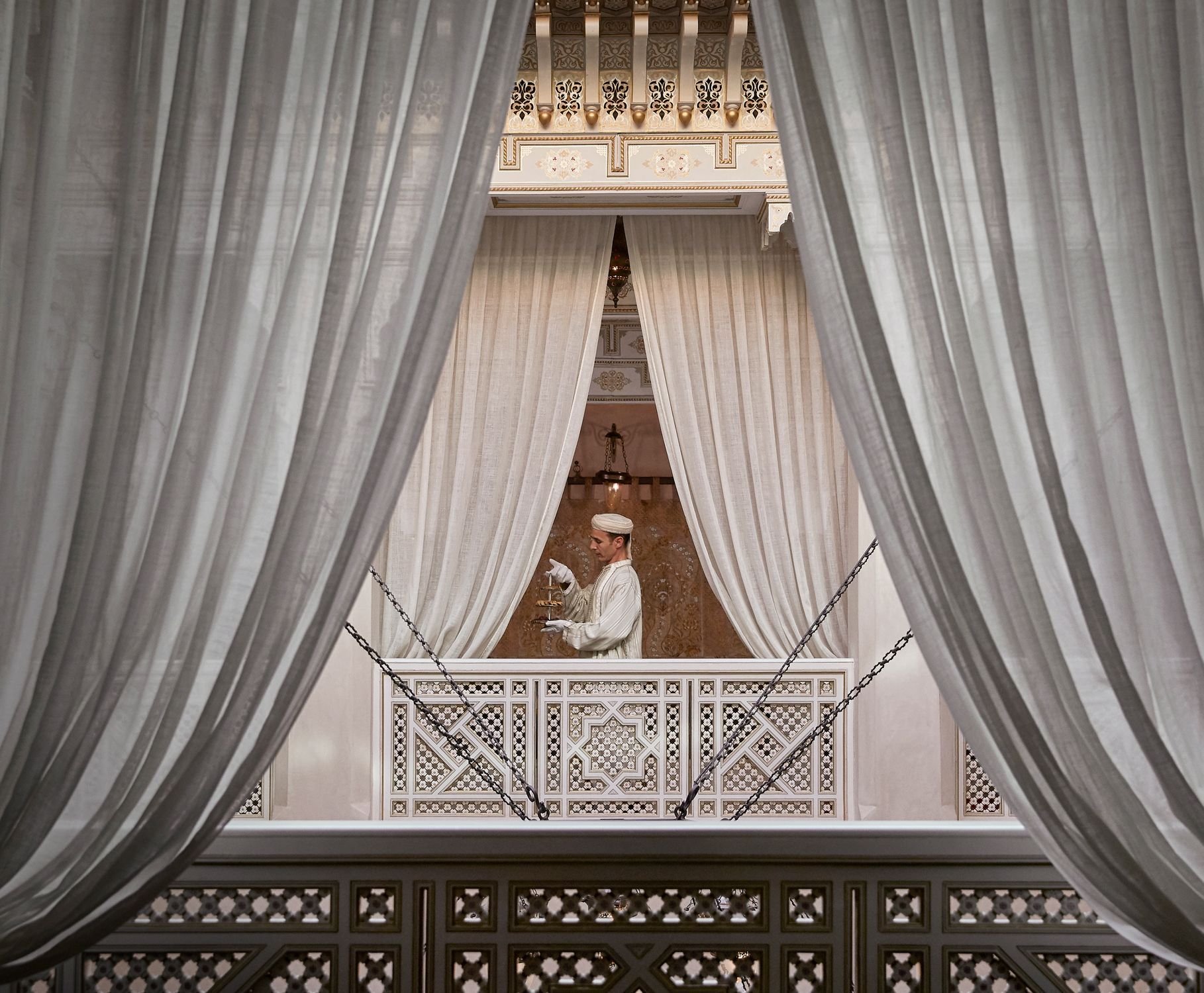
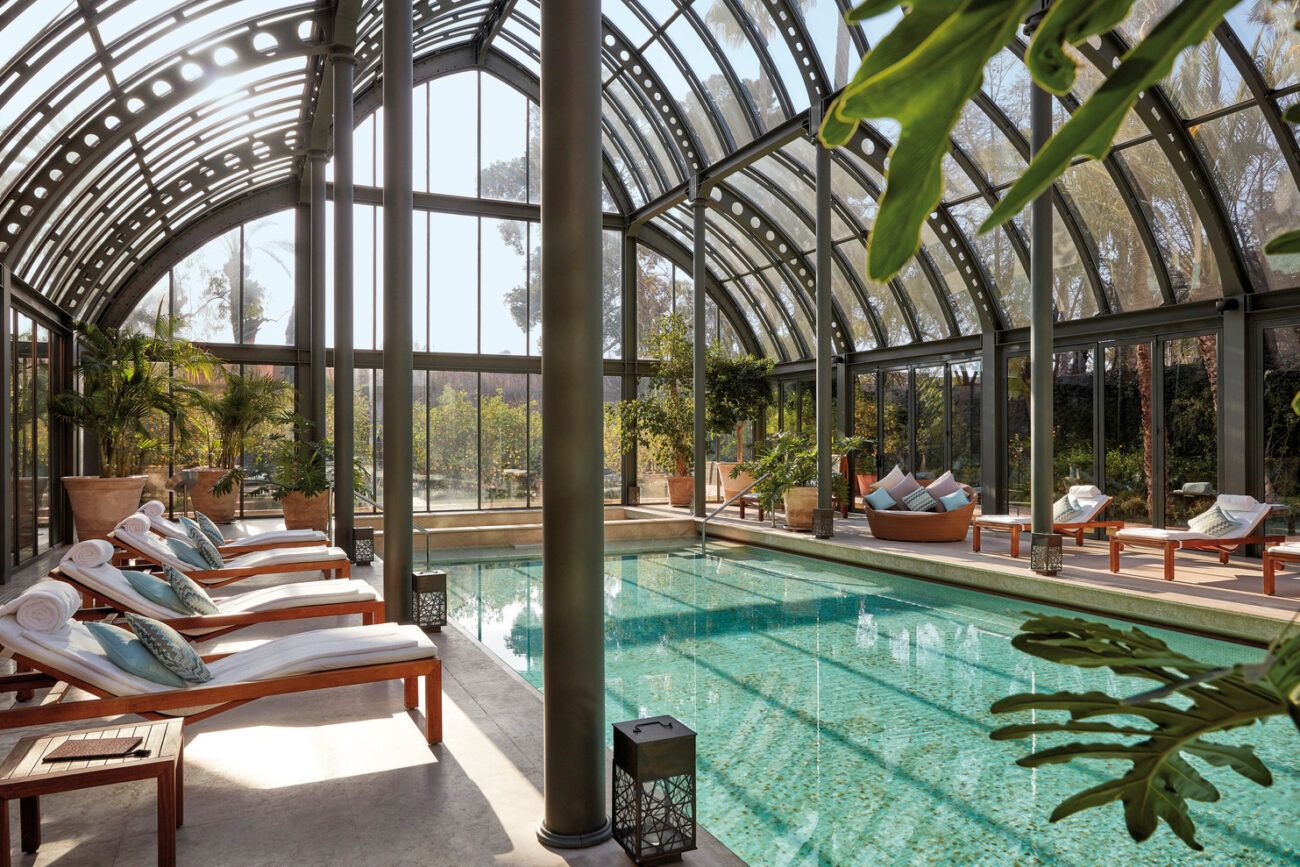
When you enter the courtyard of the Royal Mansour in Marrakech, the world slows down. The scent of orange blossoms drifts through the air, fountains ripple against zellige tiles, and shadows move across carved cedar screens. Traditional Moroccan craftsmanship surrounds every detail of this OBMI-designed palace, created alongside more than 1,500 local artisans.
Luxury hospitality design has undergone a profound evolution, moving from opulence to cultural authenticity. Where once indulgence was measured in gilded halls and imported marble, today’s luxury travellers seek experiences that feel rooted, personal, and culturally rich. They are trading grandeur for meaning, preferring secluded sanctuaries, local craft, and a sense of belonging. Increasingly, a hotel is not simply accommodation. It is a gateway into the soul of a destination.
OBMI’s answer to this shift lies in our philosophy as Architects of Storied Places: to create hotels and resorts that could only exist in their unique setting.
Royal Mansour: A Palace of Place
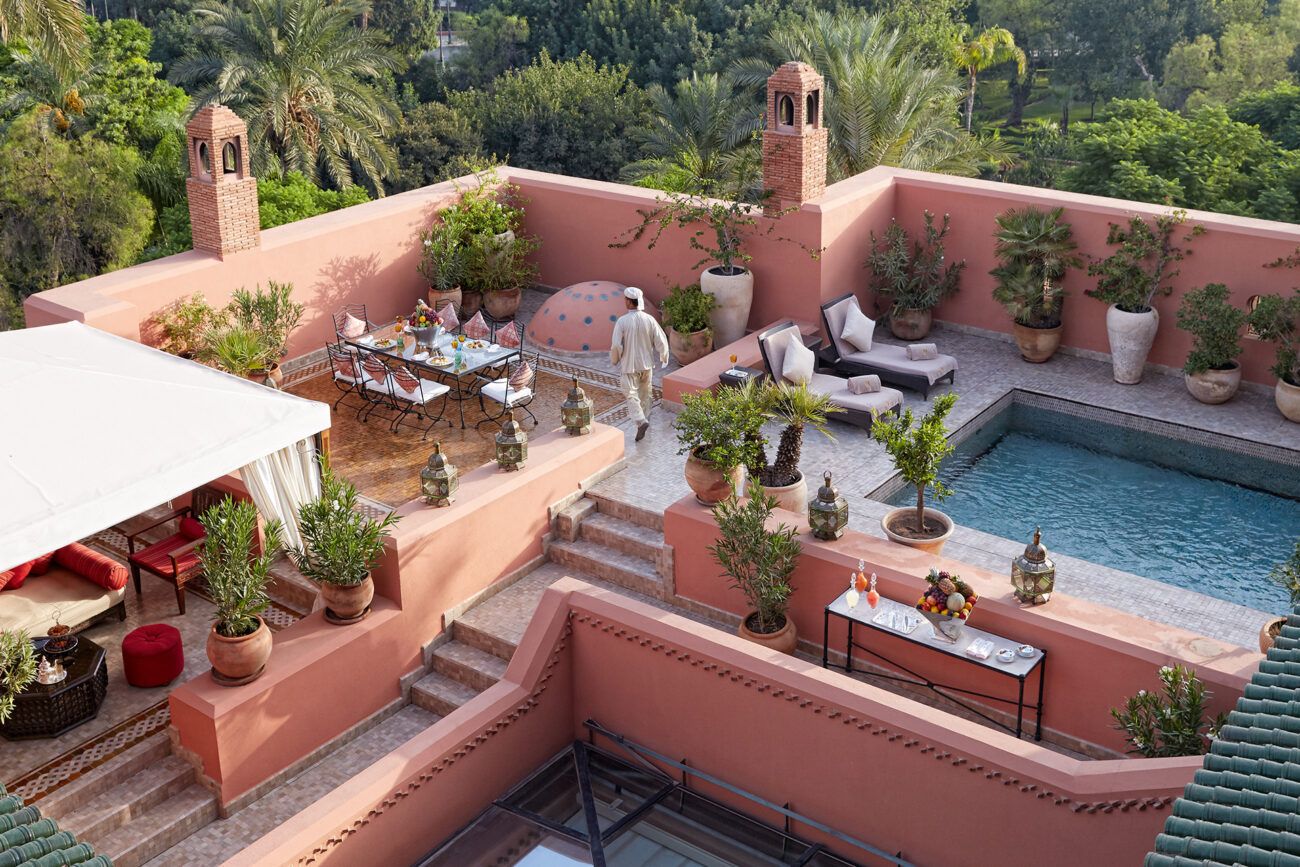
Royal Mansour Marrakech, a seven-star palace commissioned by King Mohammed VI, embodies this philosophy. Located inside Marrakech’s historic core, just steps from Jemaa el-Fna and enclosed by the city walls, it is a medina within the medina, with views stretching to the Atlas Mountains. From the outset, our design team carried the responsibility of honoring Morocco’s heritage while creating a retreat for the world’s most discerning travellers.
Chairman Tim Peck recalls: “We did a lot of due diligence in really understanding the craftsmanship, the skills, the history behind why buildings were designed as they were. And we allowed the traditional craftsmen to come in and help inform the design. They are the true masters.”
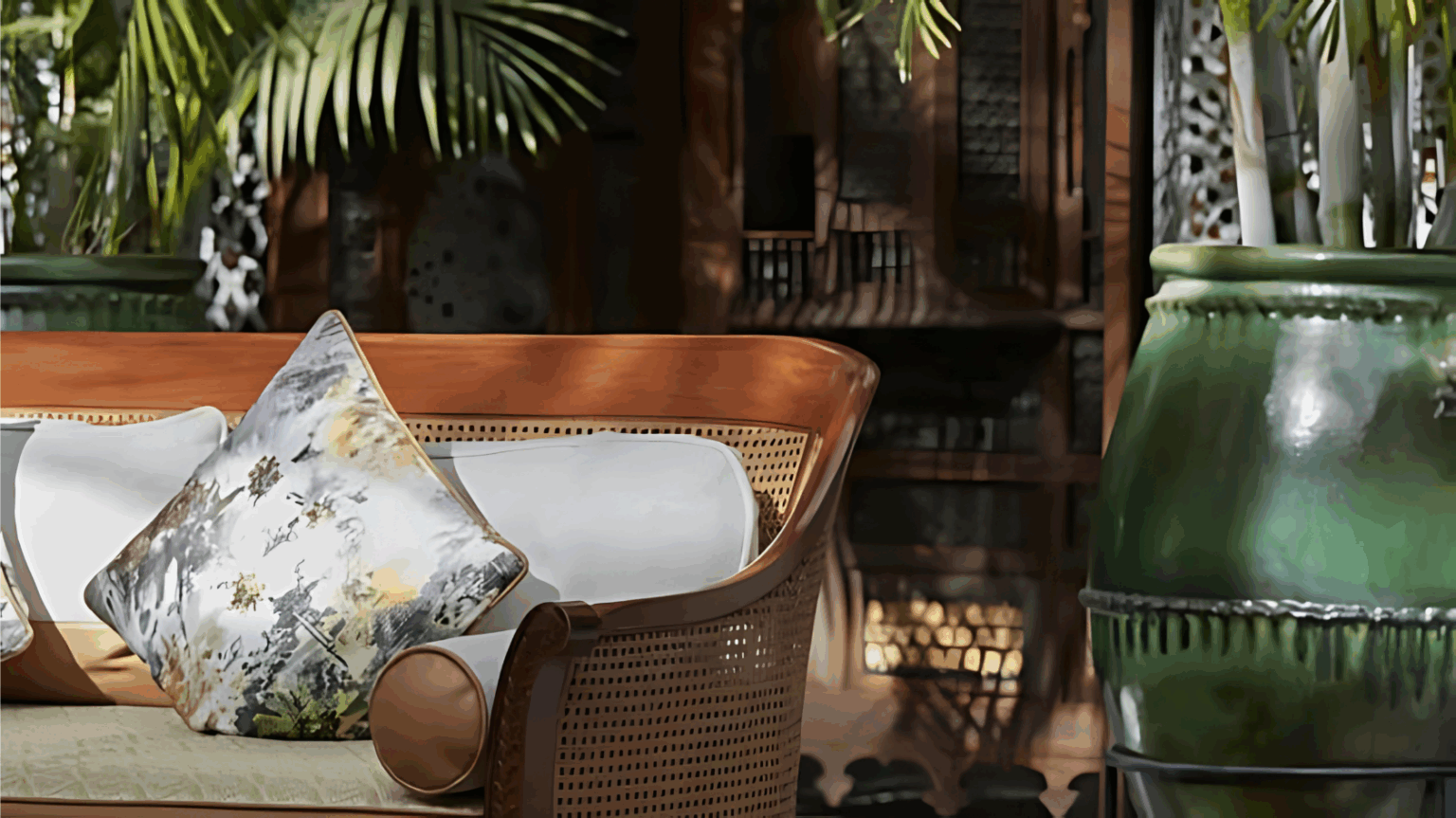
This commitment shaped every aspect of the project. Instead of hotel rooms, the resort is a network of 53 private riads arranged along hushed alleys and courtyards. Each riad was entrusted to Morocco’s finest artisans and crafted as a reflection of traditional homes, with inward-facing patios, rooftop terraces, and exquisite detail at every scale. From carved cedar and bronze entrance doors to hand-applied tadelakt plaster and intricate moucharabieh screens, every gesture draws from Moroccan precedent. Even the discreet underground service network, which allows staff to move unseen, was conceived to preserve the tranquility and privacy central to Moroccan domestic life.
The result is not a pastiche of motifs, but an authentic cultural experience. Guests do not simply see Moroccan patterns; they feel the rhythm of a Moroccan home. For many, the impression is immediate: this palace could only exist in Marrakech.
Craft, Sustainability, and Cultural Continuity
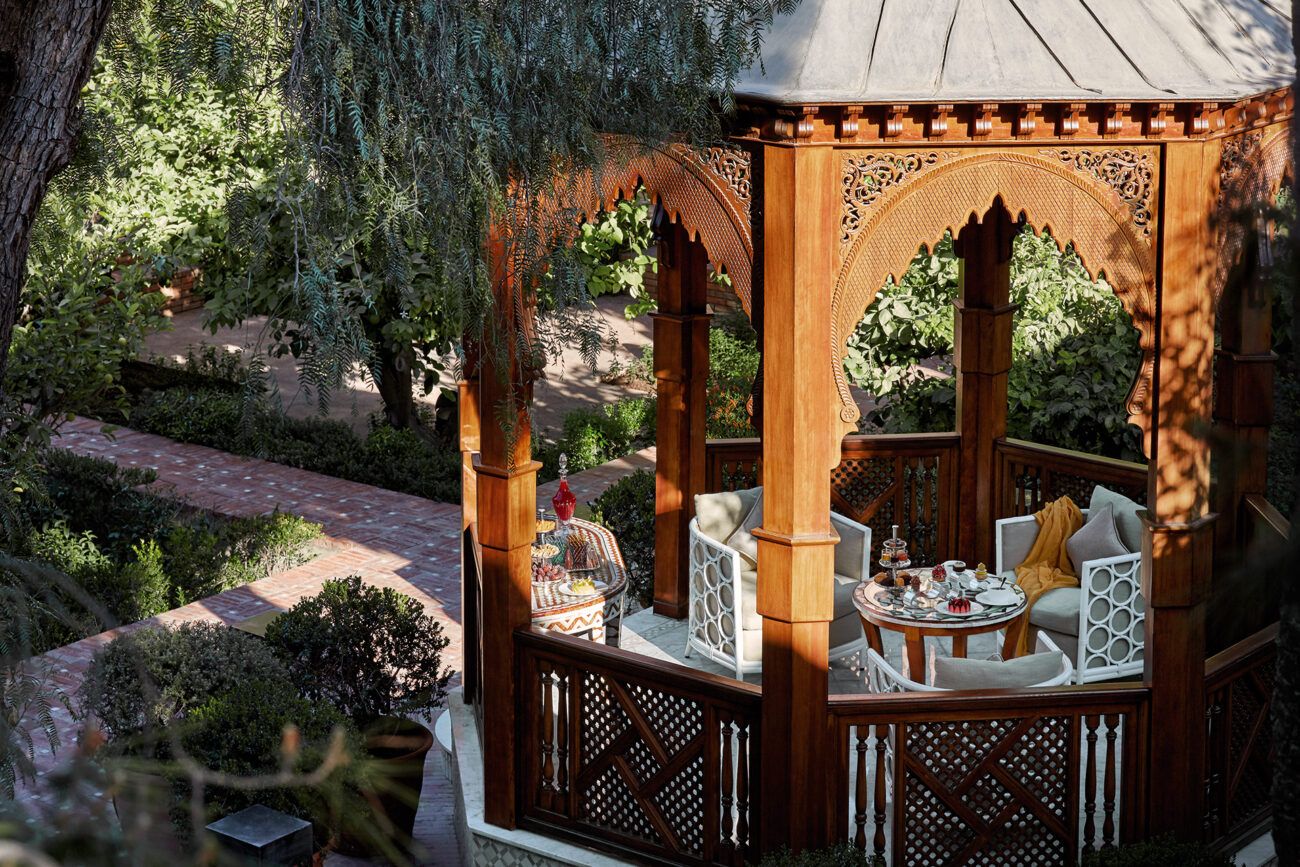
Designing in this way requires humility. It means listening before drawing, spending time in the community, and learning from those who carry its traditions. At Royal Mansour, local artisans left their mark on every surface — mosaic fountains, latticework, and carved stone — embedding centuries-old skills into the fabric of the hotel. This was not just aesthetic choice, but cultural sustainability. By commissioning work from thousands of artisans, OBMI helped preserve endangered crafts and sustain local economies.
The design also honored Morocco’s environmental intelligence. Passive cooling strategies, shaded courtyards, and cross-ventilation echo the vernacular architecture of the medina. Gardens use oasis-appropriate planting and reference traditional irrigation, while organic kitchen plots supply herbs and produce. These decisions reinforce the authenticity of the experience while supporting sustainability goals.
Cultural Authenticity as Business Value
Properties created with cultural authenticity carry measurable business advantages. Across the hospitality industry, research shows that luxury travellers who feel a strong sense of place report higher satisfaction and are more likely to return. They stay longer, spend more, and generate loyalty that advertising alone cannot buy.
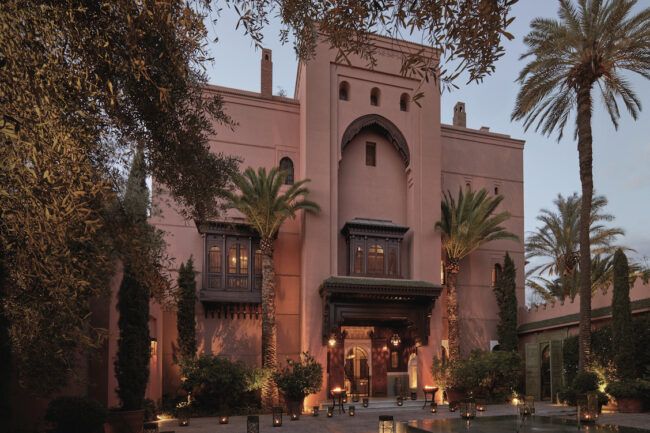
Royal Mansour demonstrates this value. Its reputation as one of the world’s top palace hotels is not based on scale alone, but on the depth of its cultural connection. By weaving authenticity into every riad, garden, and pathway, the resort delivers experiences impossible to replicate elsewhere. For developers and operators, this translates into enduring relevance, premium demand, and resilience in an increasingly competitive market.
The Future of Storied Places
For OBMI, these lessons have crystallized into guiding principles. We listen deeply to history and culture before a line is drawn. We collaborate with local knowledge to ensure accuracy and respect. And we embed authenticity into structure so it becomes inseparable from the architecture itself. This is not surface treatment. It is a foundation.
The success of Royal Mansour signals where luxury hospitality is heading. Tomorrow’s celebrated destinations will be those that act as cultural storytellers, reflecting the traditions, craft, and pride of their setting. Authenticity will stand alongside wellness and sustainability as defining pillars of luxury, ensuring that hotels resonate with guests while also benefiting the communities that host them.
At OBMI, we believe the most beautiful hotels are those that feel inevitable in their setting. In designing authentic experiences such as Royal Mansour, we see how luxury hospitality is evolving: from opulence to cultural authenticity, from spectacle to belonging, from global sameness to storied places. This is the future of hospitality, one rooted in culture, enriched by collaboration, and carried forward through the stories of place.
For today’s luxury travellers, authenticity is no longer optional. It is the measure of value, the source of memory, and the reason they return.
Recent Field Notes
The Fabric of Place: How Storytelling Shapes Design for Communities and Brands
Discover how OBMI weaves storytelling into hospitality design, creating authentic experiences for luxury travellers, communities, and brands worldwide.
How OBMI Works With Hotel Brands
Discover how OBMI weaves storytelling into hospitality design, creating authentic experiences for luxury travellers, communities, and brands worldwide.
Lessons from the Caribbean: Designing with Communities
Discover how OBMI’s Caribbean legacy shaped a philosophy of community-centered design, where authentic hospitality and sustainability drive long-term success.
Designing the White Lotus Experience
OBMI Interior Designer, Federica Sammarco, shares guide to achieve \"Slow Luxury at Home\" for those inspired by White Lotus' resort style.
Federica Sammarco