


Amanie Restaurant
A Mirage Made Manifest
Set within the legendary Qasr Al Sarab Desert Resort by Anantara, Amanie emerges as a refined expression of Mediterranean soul in the heart of Abu Dhabi’s Empty Quarter. Tasked with reimagining the interiors of the restaurant and adjoining spaces, OBMI envisioned a sanctuary that blurs the line between mirage and material. The design fuses the serenity of the desert with the warmth of Mediterranean living through muted tones, sun-washed textures, and fluid transitions between indoor and outdoor realms. Every gesture evokes the stillness and sensuality of the landscape: antique mirrors catching twilight, woven fibers softening the light, terracotta and rope grounding the experience in authenticity. Amanie becomes more than a destination for dining, it is a sensory voyage through atmosphere, memory, and mood, where each sunset turns the space into a living watercolor of the desert sky.
Location
Abu Dhabi, United Arab Emirates
Client
ADNEC Group
Services
Interior Design
Interior Architecture
FF&E
Lighting Design
Art Consultation
Type
Food & Beverage
Location
Abu Dhabi, United Arab Emirates
Services
Interior Design
Interior Architecture
FF&E
Lighting Design
Art Consultation
Client
ADNEC Group
Type
Food & Beverage
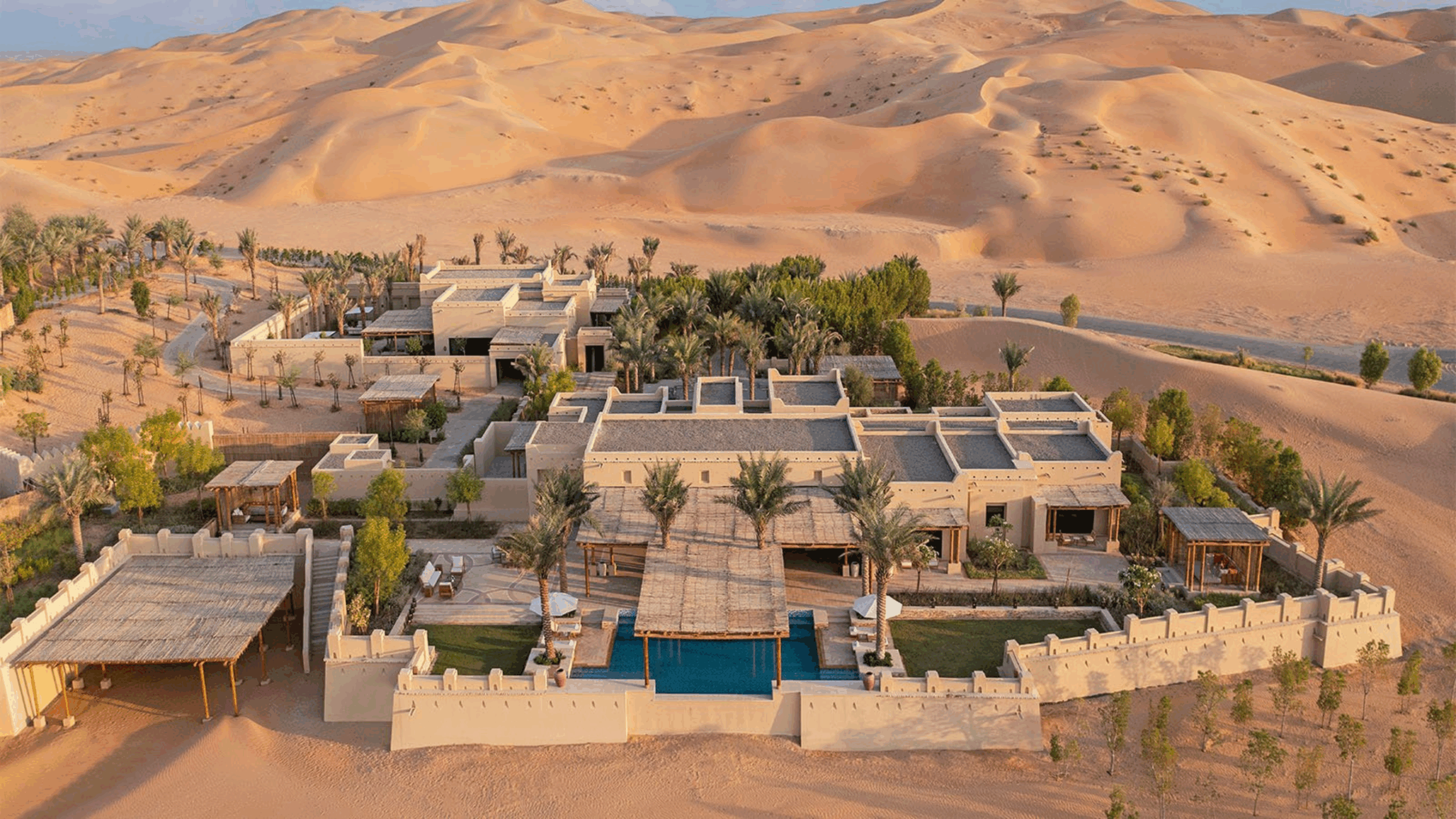
Set within the legendary Qasr Al Sarab Desert Resort by Anantara, Amanie emerges as a refined expression of Mediterranean soul in the heart of Abu Dhabi’s Empty Quarter. Tasked with reimagining the interiors of the restaurant and adjoining spaces, OBMI envisioned a sanctuary that blurs the line between mirage and material. The design fuses the serenity of the desert with the warmth of Mediterranean living—muted tones, sun-washed textures, and fluid transitions between indoor and outdoor realms. Every gesture evokes the stillness and sensuality of the landscape: antique mirrors catching twilight, woven fibers softening the light, terracotta and rope grounding the experience in authenticity. Amanie becomes more than a destination for dining—it is a sensory voyage through atmosphere, memory, and mood, where each sunset turns the space into a living watercolor of the desert sky.
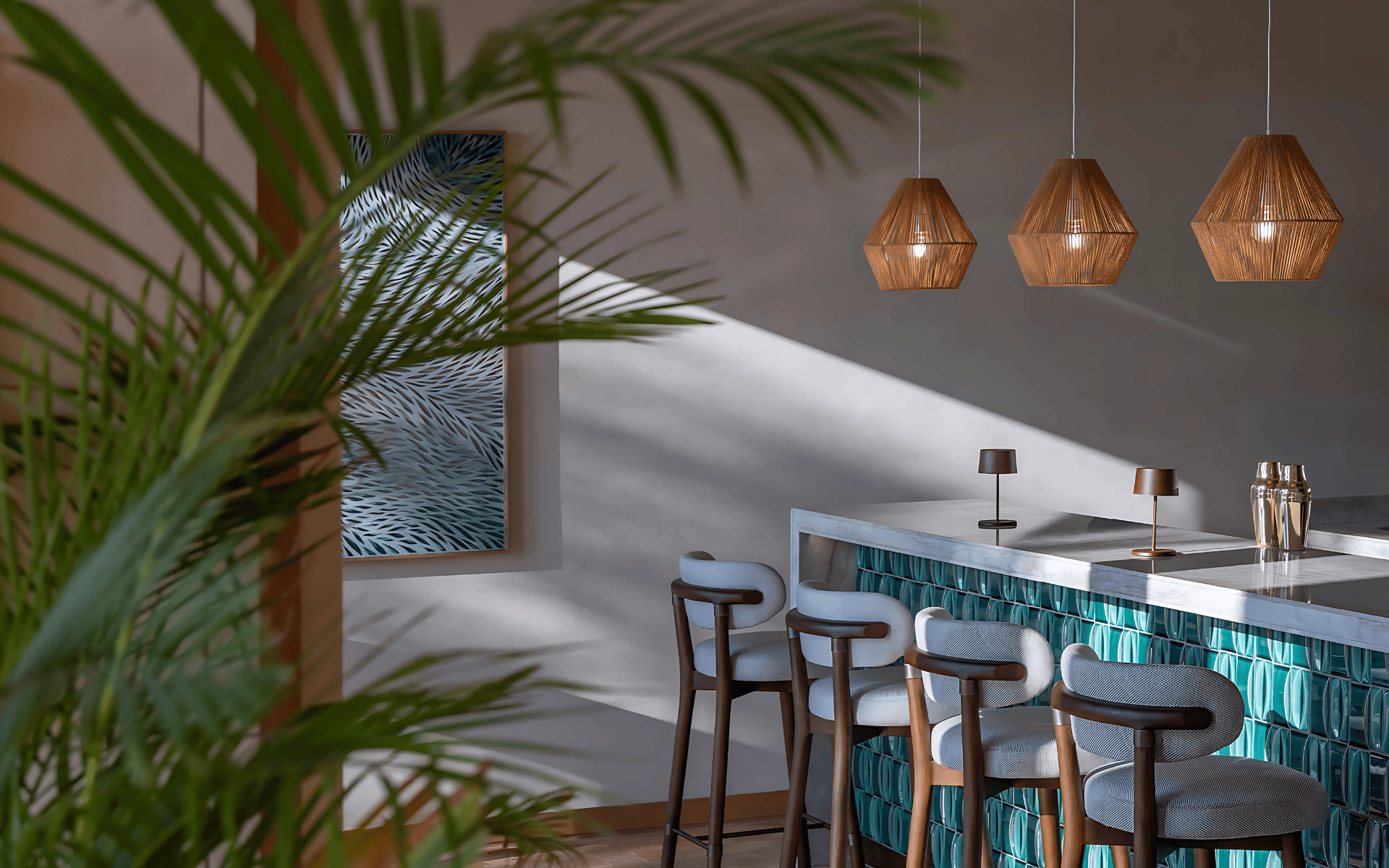
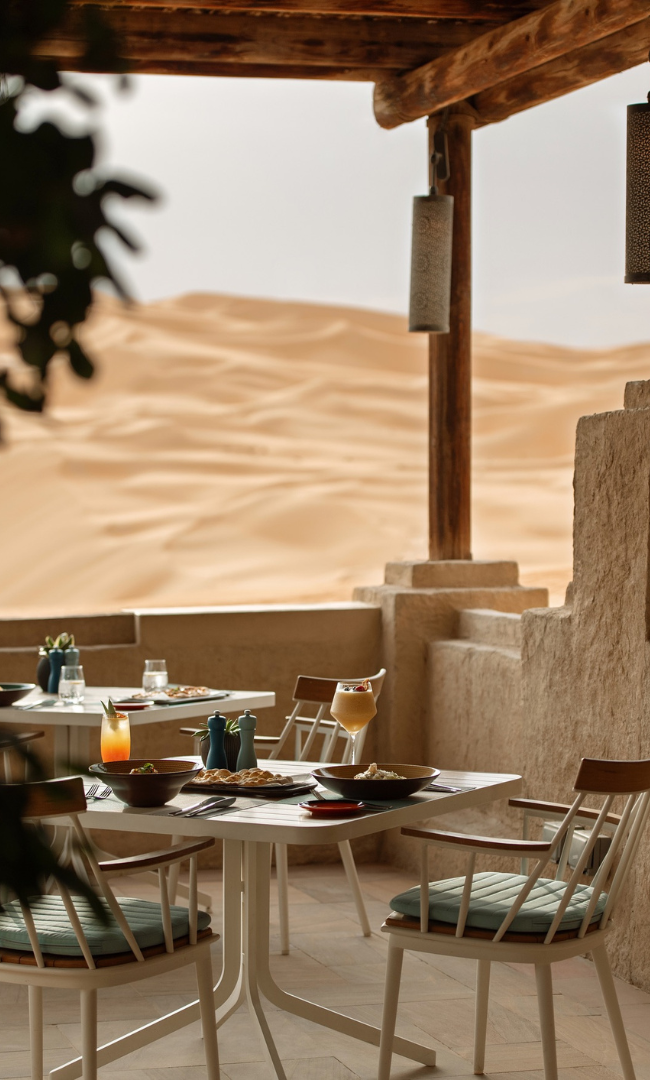
Amanie was conceived as an oasis of reflection, a poetic interplay between illusion and intimacy. OBMI’s vision drew from the ephemeral beauty of a mirage, crafting a design language that embraces impermanence and serenity. The restaurant’s raised flooring and panoramic views transform each sunset into a choreographed spectacle, while materials and forms remain purposefully subdued, allowing light and shadow to become part of the architecture itself. This quiet grandeur reflects the ethos of Qasr Al Sarab: where restraint is the ultimate expression of luxury, and design becomes an invisible dialogue between nature and human craft.
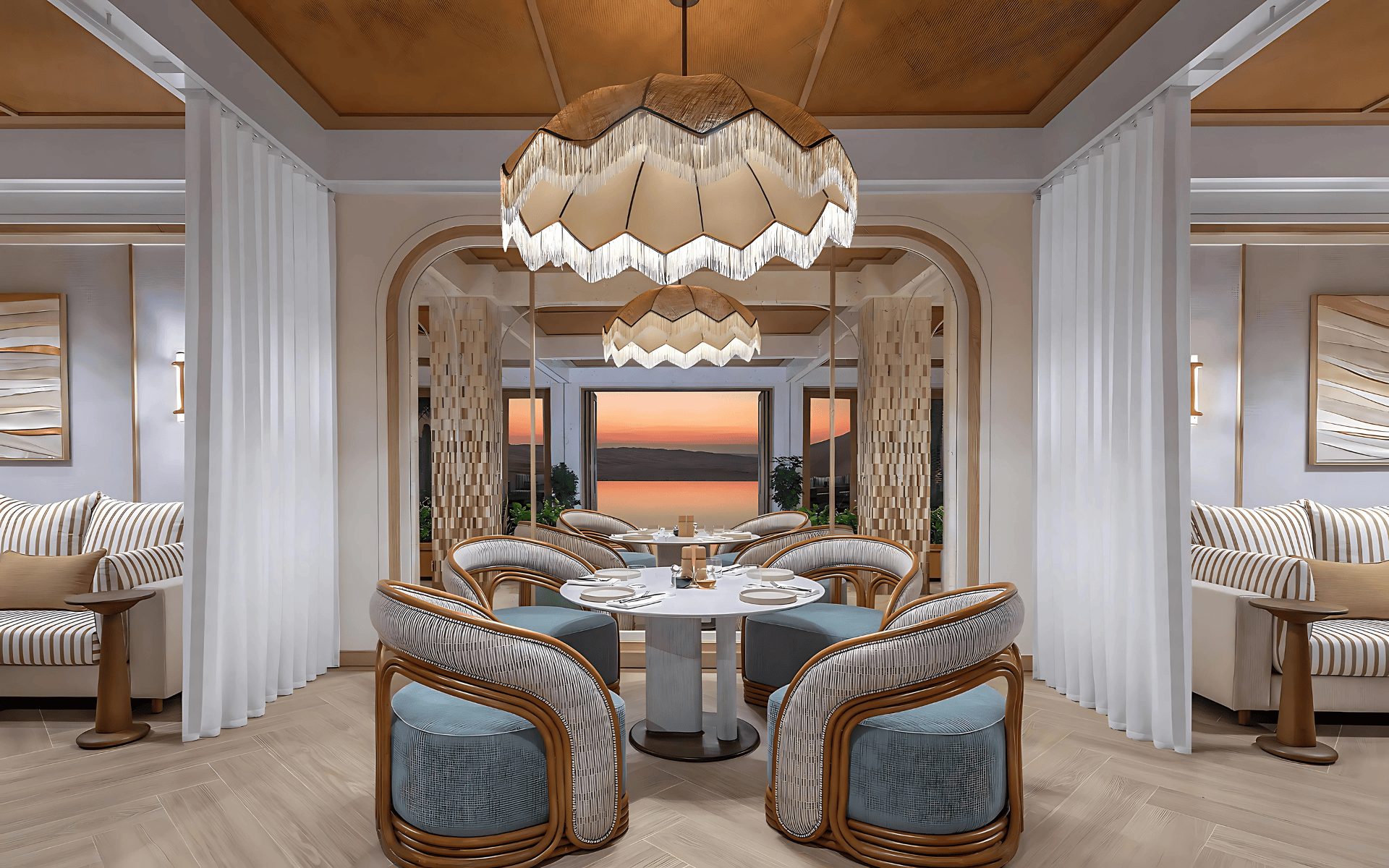
The design narrative pays homage to both Mediterranean conviviality and desert mysticism. Inspired by the culinary artistry of Michelin-starred Chef Giuseppe Pino Lavarra, Amanie’s interiors extend the sensory theatre of the dining experience. Communal layouts, layered textures, and gentle lighting create spaces that feel both intimate and expansive, inviting conversation while encouraging pause. Every surface tells a story: from gradient mosaics that shimmer under candlelight to woven ceilings that echo the ripples of sand. The result is an immersive journey where heritage, craftsmanship, and atmosphere exist in perfect harmony.
OBMI’s design approach was guided by a sensitivity to light, texture, and rhythm. Off-white plaster walls and dusty pastels form the foundation of a palette that mirrors the tones of dawn across the dunes. Natural woods, handwoven fibers, and terracotta lend warmth and tactility, while antique mirrors introduce moments of reflection, both literal and metaphorical. This restrained composition avoids spectacle, instead revealing its richness through nuance. The spatial choreography transitions from open communal zones to quiet corners, each one shaped to amplify sensory experience. It is design as atmosphere, an architecture of calm discovery and deliberate emotion.
Amanie offers an experience of refined stillness. Reserved exclusively for adults, the venue was envisioned as a retreat for the senses, a place to linger in conversation, texture, and taste. OBMI’s interiors cultivate this sense of sanctuary through subtle gradients of light, tactile furnishings, and soft acoustics that cocoon the guest from the vastness beyond. Each detail, every woven pattern, every mirrored glint, invites a slower pace and deeper connection. The result is an environment where design disappears into feeling, transforming dining into a meditative ritual of place and presence.
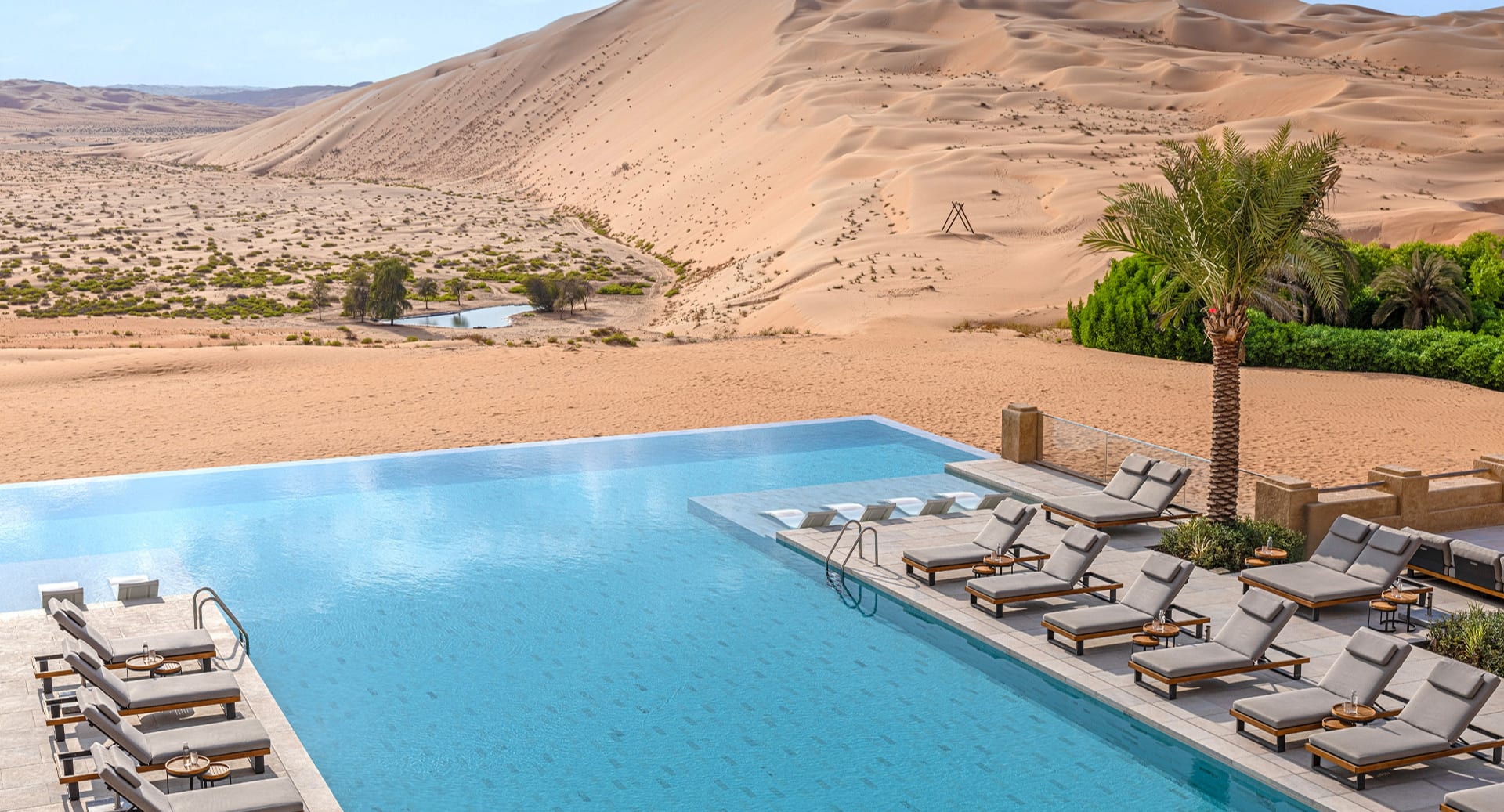
Through Amanie, OBMI redefined what it means to design within the desert. The outcome is not a theme, but an evocation, an atmosphere that transcends décor to become a living mirage. The interiors resonate with Qasr Al Sarab’s identity yet introduce a distinctly contemporary grace: one rooted in craft, restraint, and emotional clarity. Light, texture, and shadow perform in harmony, creating moments that linger long after the meal has ended.
Amanie stands as OBMI’s testament to timeless design—ephemeral, elegant, and endlessly alive.
Amanie was conceived as an oasis of reflection, a poetic interplay between illusion and intimacy. OBMI’s vision drew from the ephemeral beauty of a mirage, crafting a design language that embraces impermanence and serenity. The restaurant’s raised flooring and panoramic views transform each sunset into a choreographed spectacle, while materials and forms remain purposefully subdued, allowing light and shadow to become part of the architecture itself. This quiet grandeur reflects the ethos of Qasr Al Sarab: where restraint is the ultimate expression of luxury, and design becomes an invisible dialogue between nature and human craft.
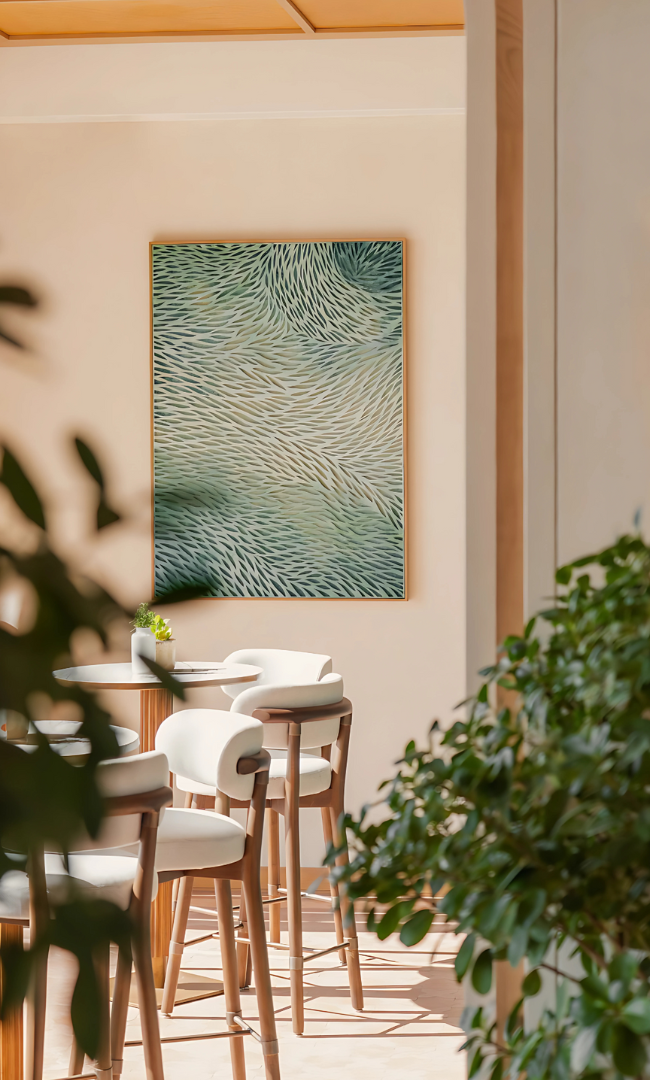
The design narrative pays homage to both Mediterranean conviviality and desert mysticism. Inspired by the culinary artistry of Michelin-starred Chef Giuseppe Pino Lavarra, Amanie’s interiors extend the sensory theatre of the dining experience. Communal layouts, layered textures, and gentle lighting create spaces that feel both intimate and expansive, inviting conversation while encouraging pause. Every surface tells a story: from gradient mosaics that shimmer under candlelight to woven ceilings that echo the ripples of sand. The result is an immersive journey where heritage, craftsmanship, and atmosphere exist in perfect harmony.
OBMI’s design approach was guided by a sensitivity to light, texture, and rhythm. Off-white plaster walls and dusty pastels form the foundation of a palette that mirrors the tones of dawn across the dunes. Natural woods, handwoven fibers, and terracotta lend warmth and tactility, while antique mirrors introduce moments of reflection, both literal and metaphorical. This restrained composition avoids spectacle, instead revealing its richness through nuance. The spatial choreography transitions from open communal zones to quiet corners, each one shaped to amplify sensory experience. It is design as atmosphere, an architecture of calm discovery and deliberate emotion.
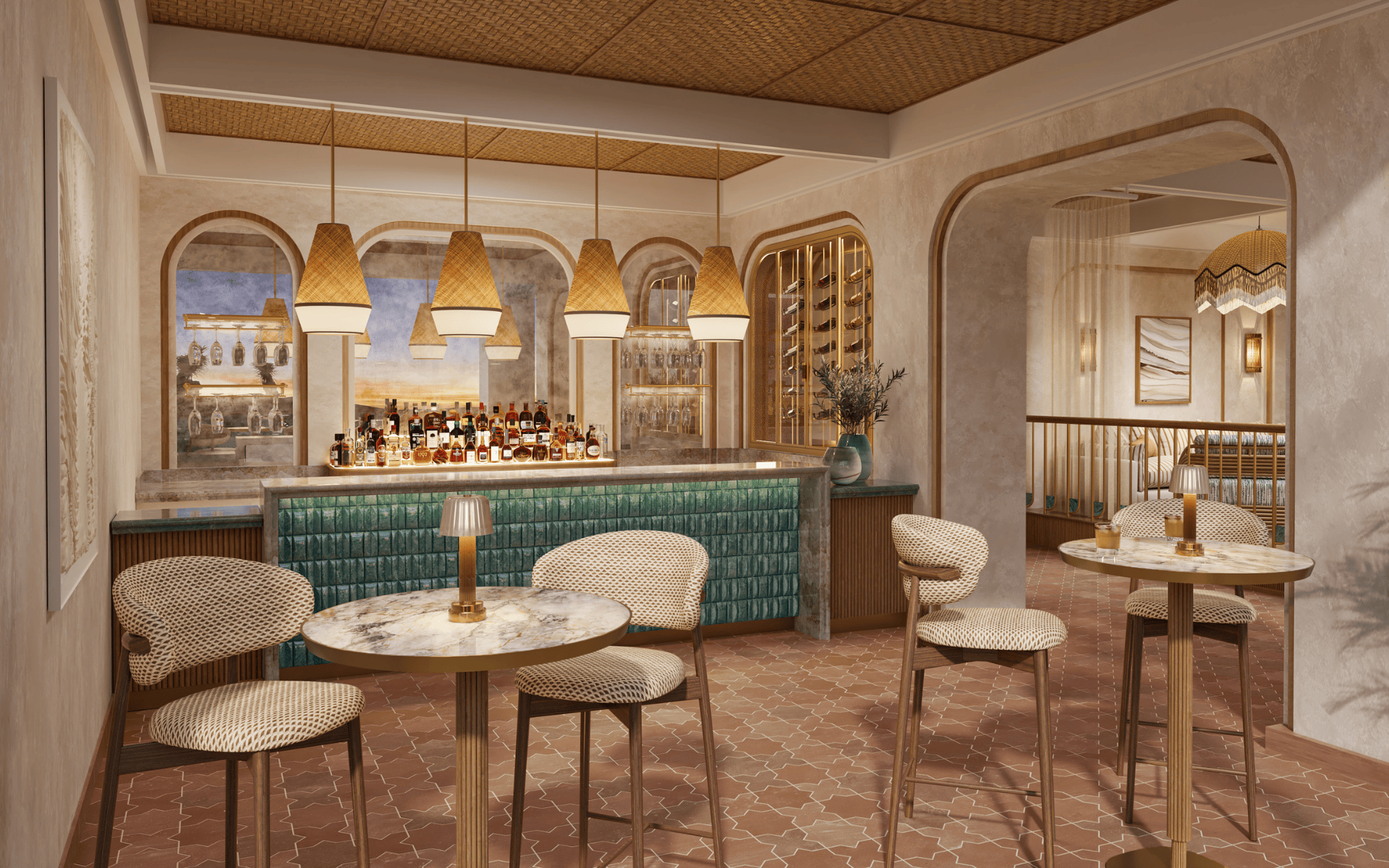
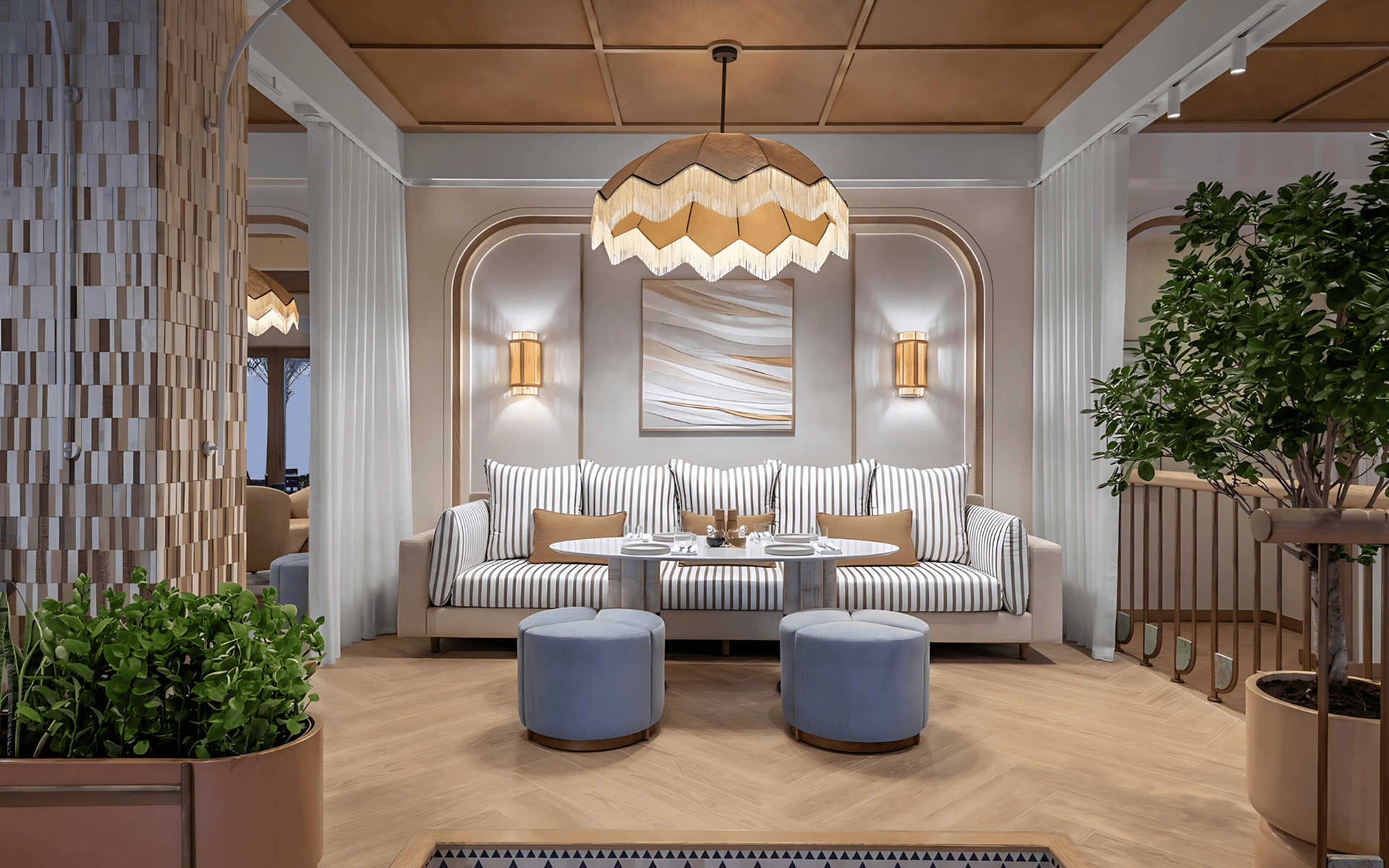
Through Amanie, OBMI redefined what it means to design within the desert. The outcome is not a theme, but an evocation ,an atmosphere that transcends décor to become a living mirage. The interiors resonate with Qasr Al Sarab’s identity yet introduce a distinctly contemporary grace: one rooted in craft, restraint, and emotional clarity. Light, texture, and shadow perform in harmony, creating moments that linger long after the meal has ended. Amanie stands as OBMI’s testament to timeless design, ephemeral, elegant, and endlessly alive.
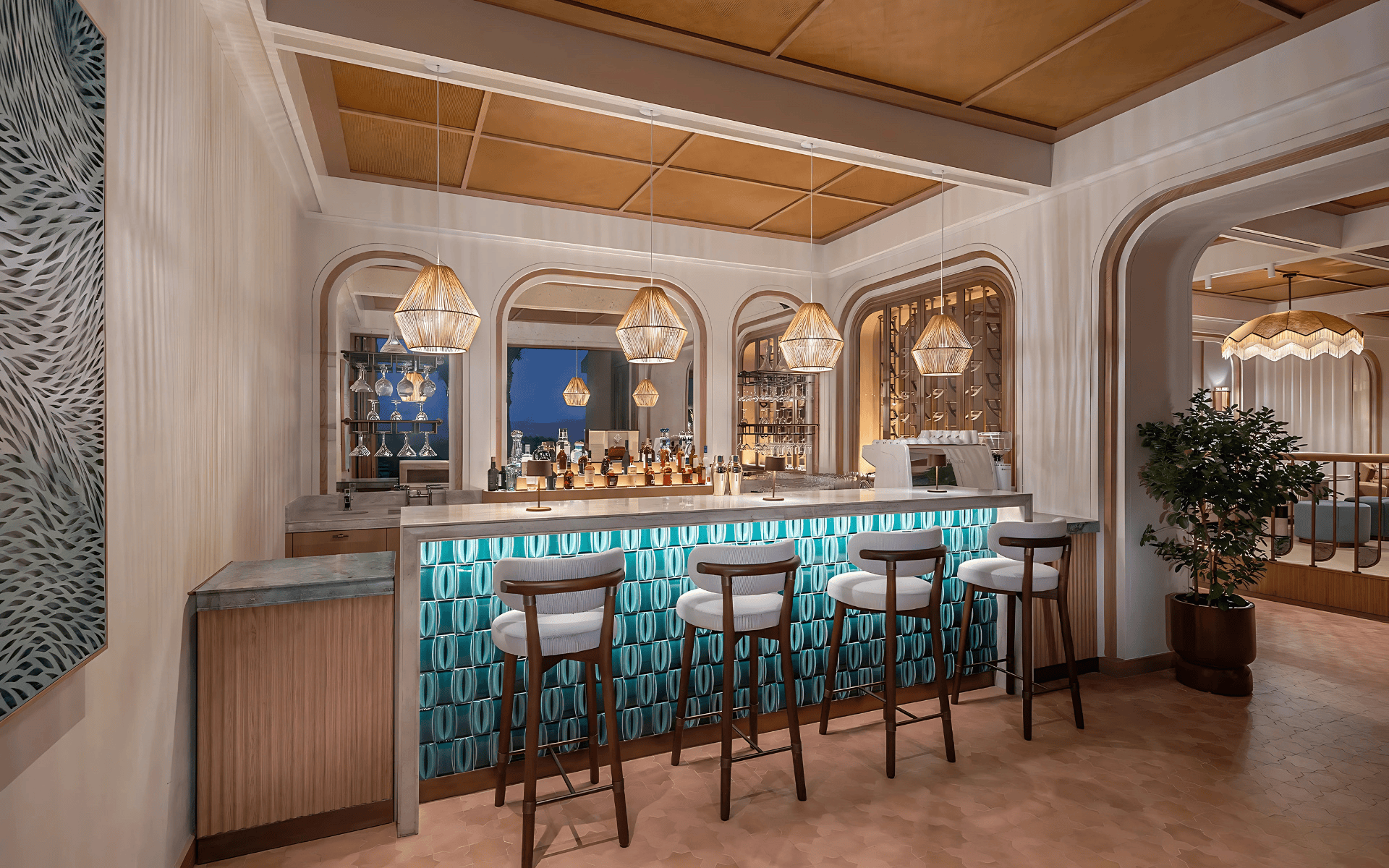
“The Qasr Al Sarab resort is like a palace of illusions – timeless, surreal and steeped in natural drama,” said Maud Capet. “We wanted to extend that illusion into the interiors of Amanie, allowing guests to feel as if they are part of the landscape. The design is calm, layered, and tactile, offering a moment of pause and presence in the vastness of the desert.”
DISCOVER OTHER SIGNATURE PROJECTS
Pristine
Scrub Island
Fairmont Tazi Palace
Rosewood Half Moon Bay
Pasito Blanco
Villa Katsura
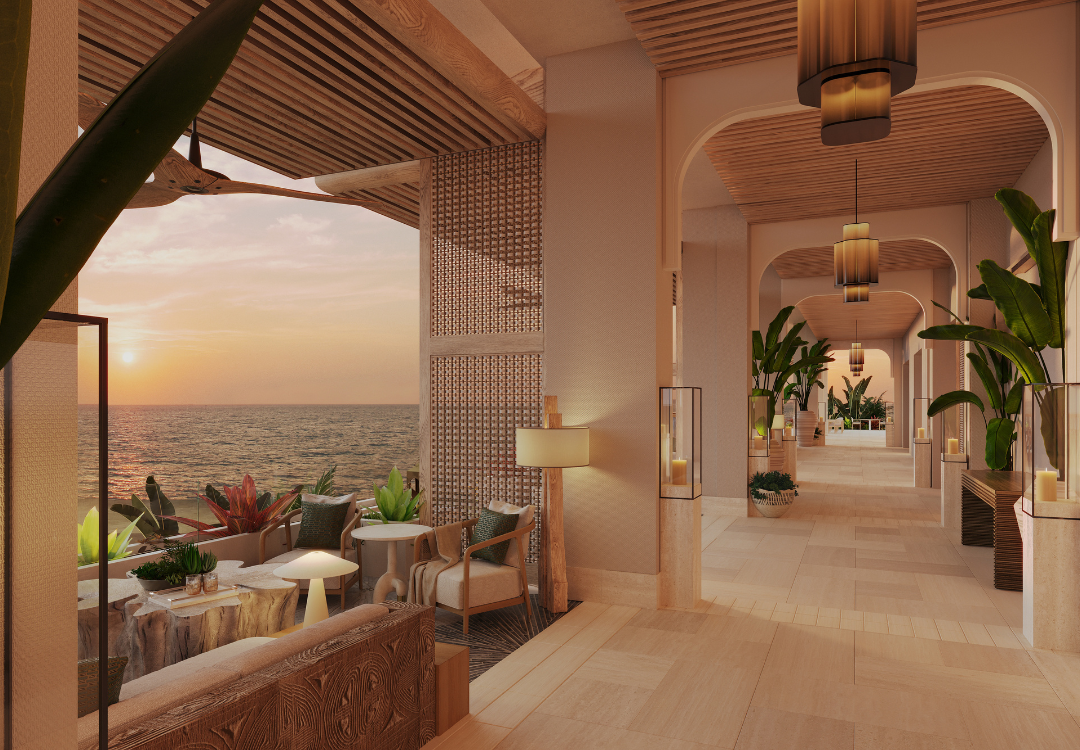
St. Regis the Residences, Turks & Caicos
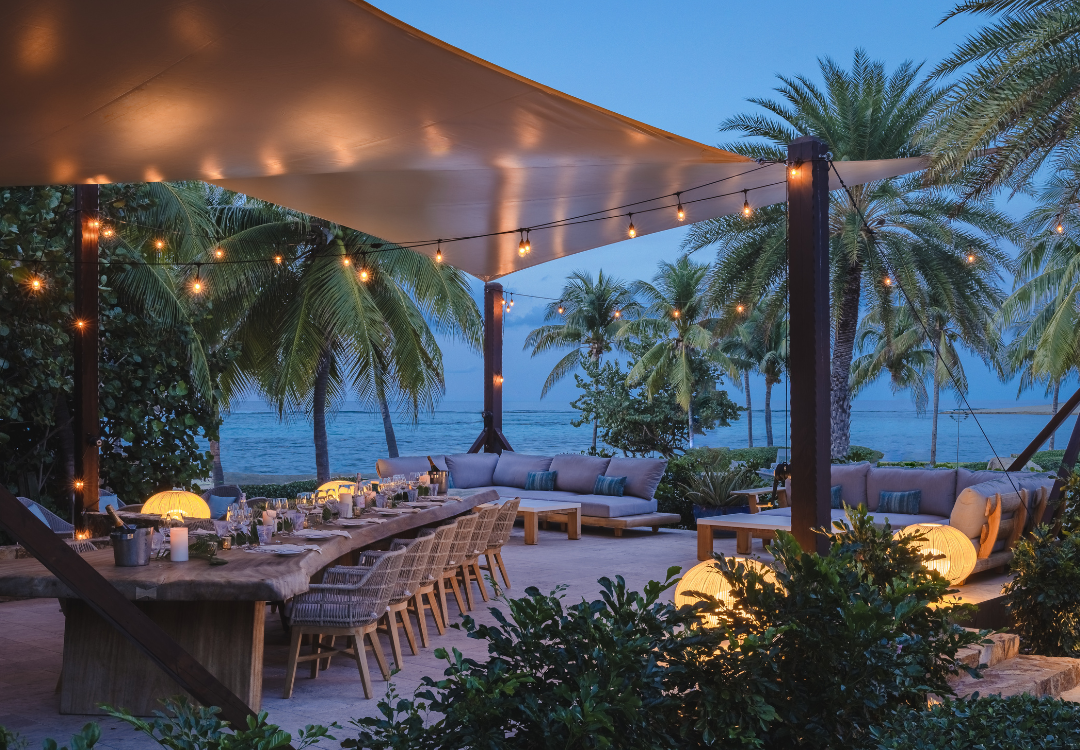
Oil Nut Bay Beach Club
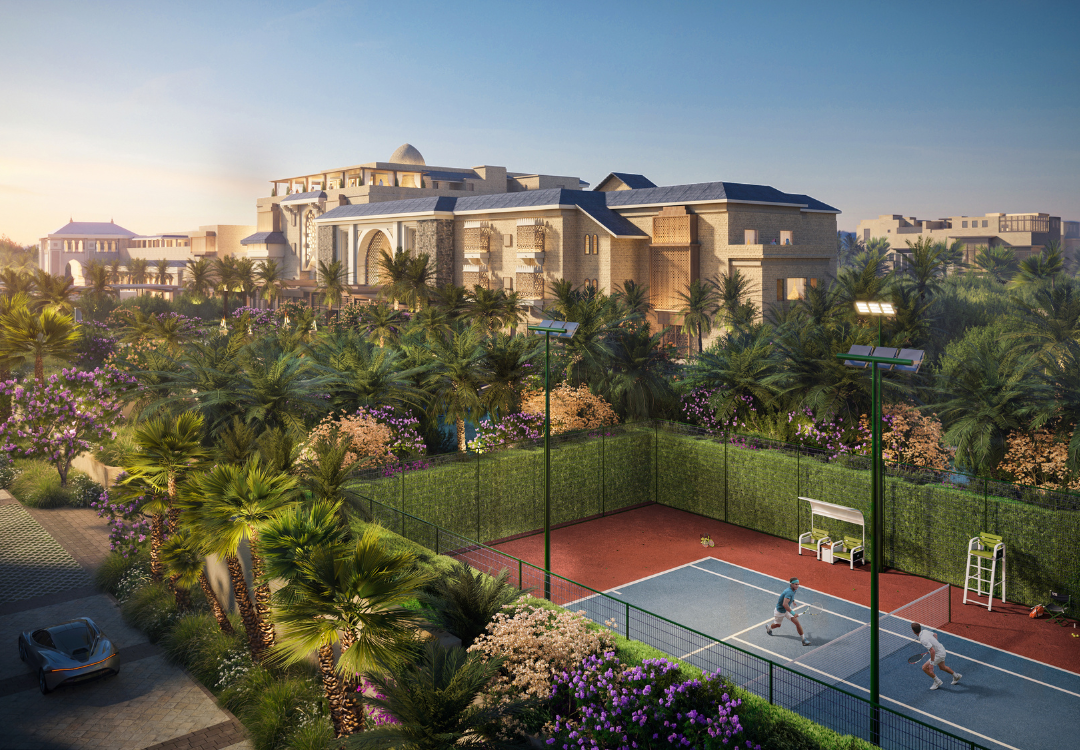
Al Hamra
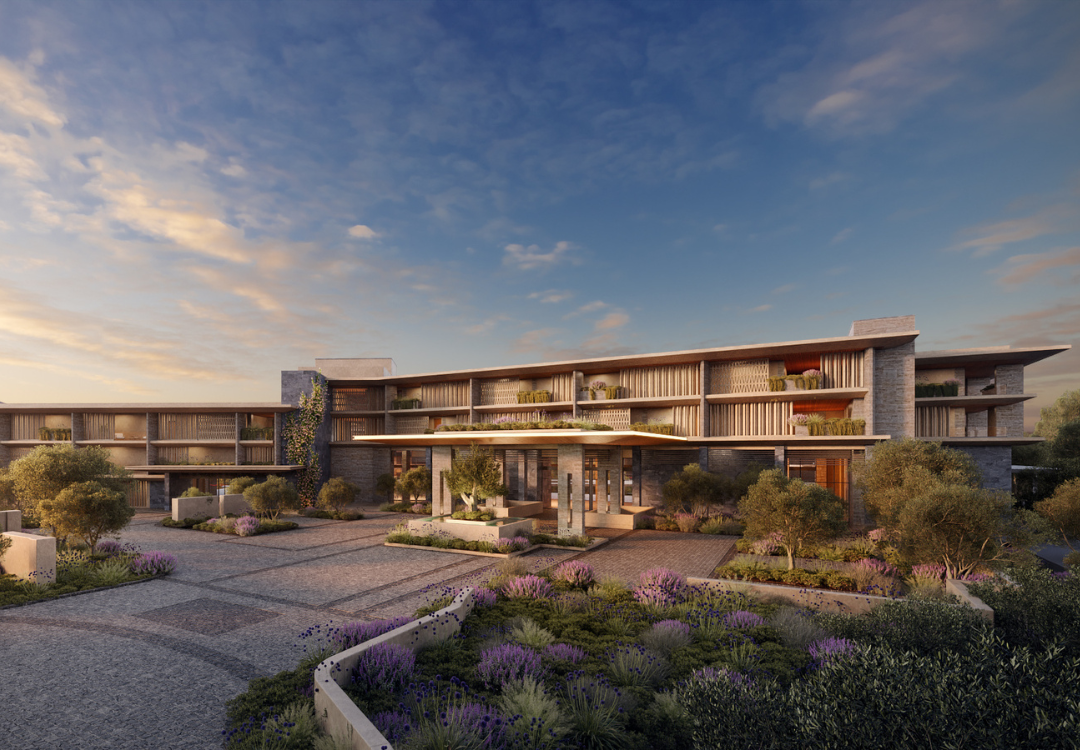
Angsana Real de la Quinta Hotel & Branded Residences
Verdes by Haven

SouthMED

St. Regis Bermuda
Oil Nut Bay