


How OBMI Works With Hotel Brands
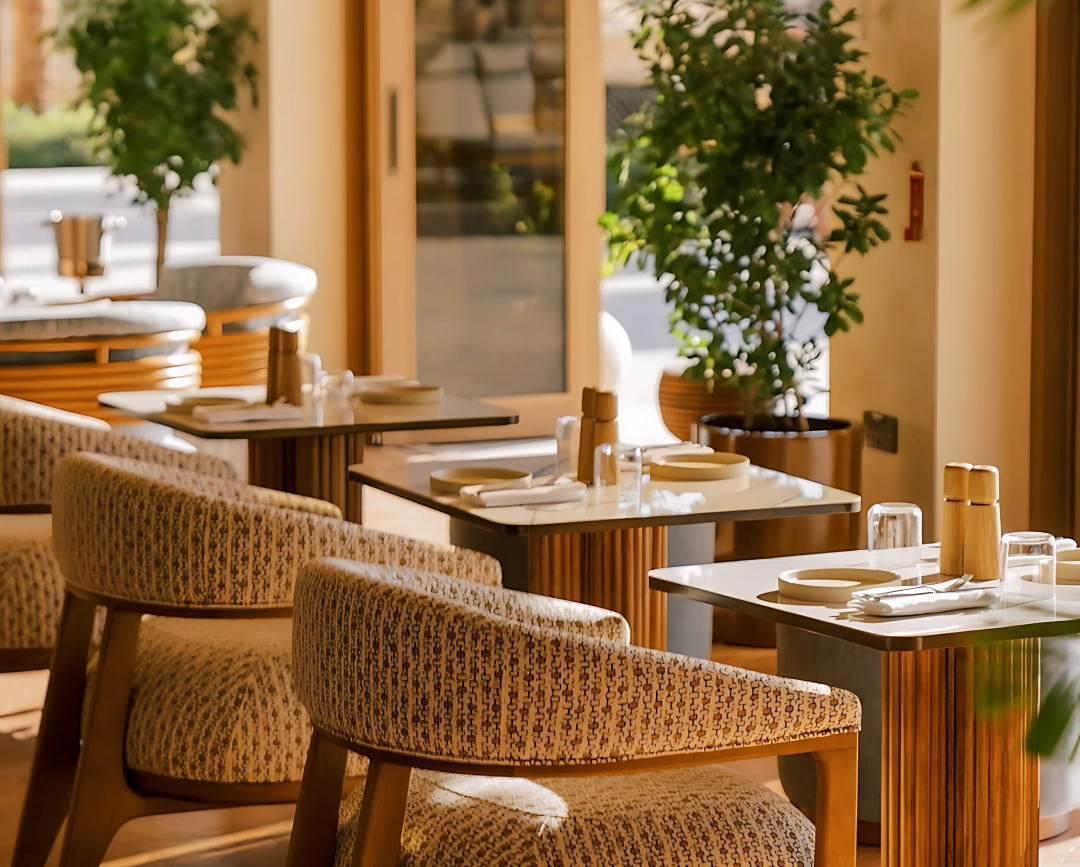
AMANIE, Qasr Al Sarab Desert Resort by Anantara
Protecting Brand Consistency While Creating Meaningful Sense of Place
For hotel brands and developers, design is a balancing act. Every project must reinforce brand recognition, guest trust, and operational clarity, while also delivering a sense of place strong enough to differentiate the asset in an increasingly competitive market.
Within this context, interior design becomes a strategic tool. It must support brand equity while allowing each property to feel rooted, specific, and emotionally resonant.
Global hotel brands rely on design guidelines to create familiarity and comfort for guests. These standards are essential. They build trust, encourage loyalty, and ensure that a guest knows what level of experience to expect, regardless of geography.
Consistency alone, however, no longer defines luxury. As Maud Capet notes, “Brand guidelines exist to create comfort and trust for the guest. Our role is to preserve that familiarity, while allowing each place to express its own story.”
Today’s guests want reassurance from a brand, but they also want discovery. They want to feel they are somewhere specific, not simply somewhere familiar. Treating guidelines as a framework rather than a template allows core brand principles to be preserved, while giving each project space to express its own narrative.
This approach reduces brand risk while strengthening experiential differentiation.
A Guest Journey Designed End-to-End
From a development perspective, one of the greatest risks lies in fragmentation, when architecture, landscape, and interiors feel disconnected, leading to diluted guest experience and lost emotional impact.
An integrated design model addresses this directly.
From a design perspective, the guest journey is conceived holistically, beginning at arrival and unfolding through landscape, architecture, and interiors as a single, continuous story. Interior design is not applied late in the process; it is embedded early, aligned with master planning and architectural intent. This is the moment when brand promise becomes physical, translated through space, materiality, and atmosphere.
For owners and operators, this results in:
- Clear experiential hierarchy
- Stronger first impressions
- Spaces that feel intuitive rather than overdesigned
- A coherent brand story guests can feel, even if they cannot articulate it
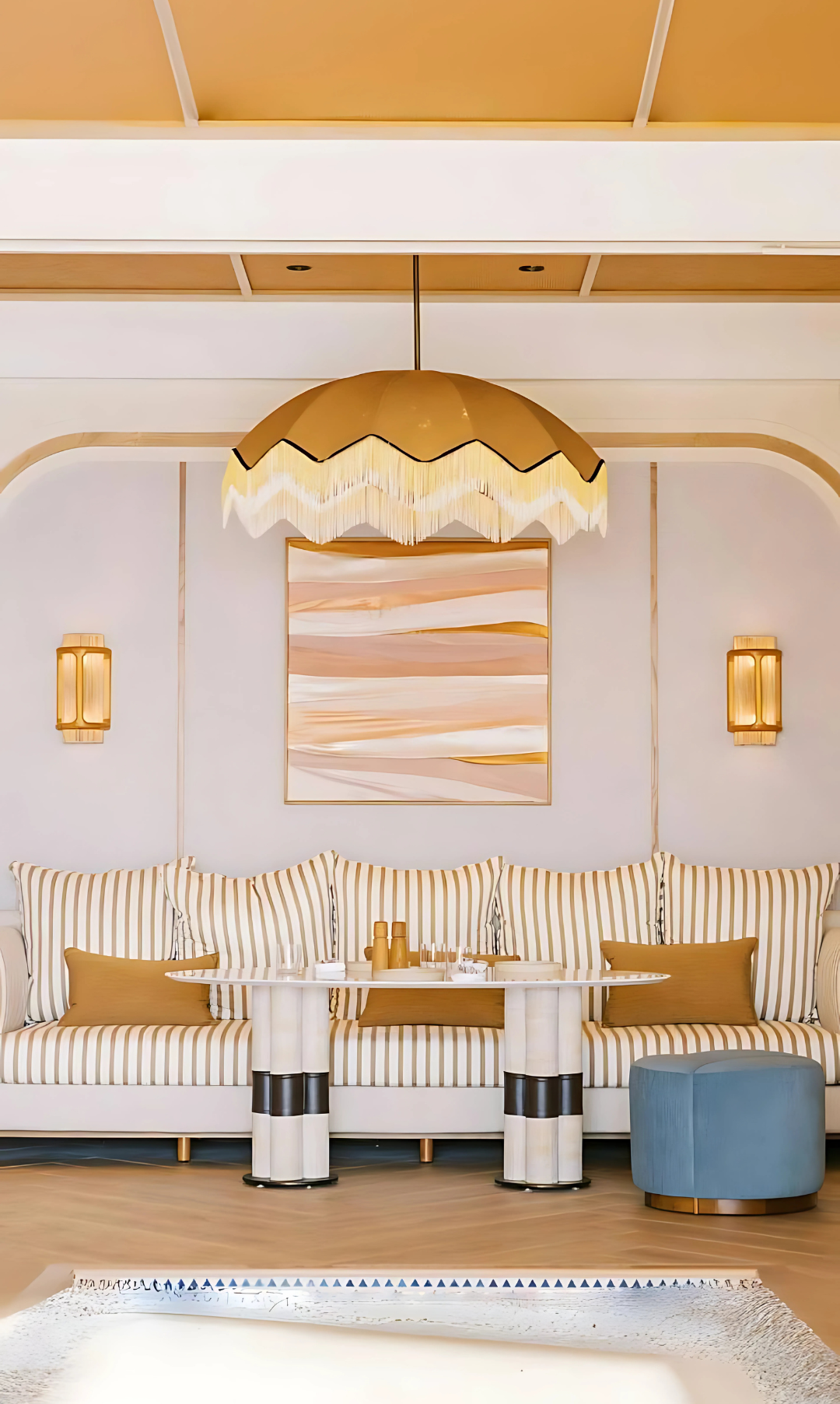
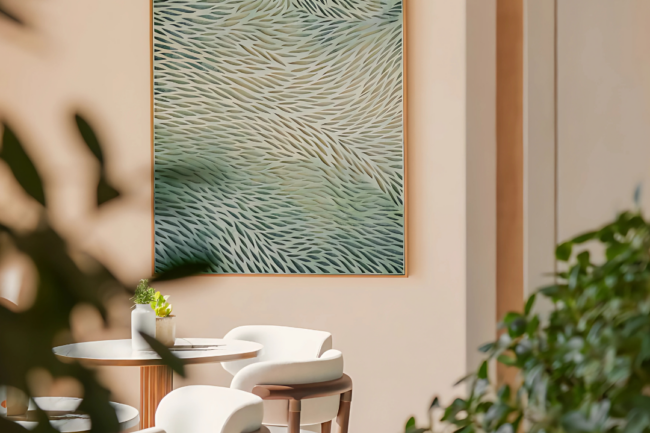
AMANIE, Qasr Al Sarab Desert Resort by Anantara
Authenticity Without Cliché
One of the most common concerns for hotel brands is how to express local culture without falling into stereotype or superficial theming.
The design process begins with listening. Time is spent on site, engaging with local communities, understanding traditions, materials, craft, and everyday rhythms. This research phase informs the narrative of the project, not as decoration, but as structure.
“We do not begin by sketching,” says Capet. “We begin by listening, spending time on site, understanding how people live, what they value, and how the place expresses itself.”
The result is authenticity that feels natural rather than imposed. Guests sense the place through materiality, craftsmanship, and atmosphere, without overt references or visual clichés.
For developers, this approach creates assets that age well, remain relevant, and feel differentiated long after opening.
Materiality as Brand Expression
Materiality plays a central role in how brand values are experienced physically.
Capet points to material choice as a key carrier of meaning. “Natural materials, crafted by hand, bring a sense of humanity into a space. Texture, variation, and imperfection allow interiors to feel grounded rather than overworked.”
Prioritising natural, locally sourced materials and handcrafted elements introduces warmth and tactility without compromising durability or operational needs. Texture, variation, and imperfection become qualities that support longevity rather than detract from it.
For brands, this translates into interiors that feel premium, grounded, and memorable, while remaining practical and resilient over time.
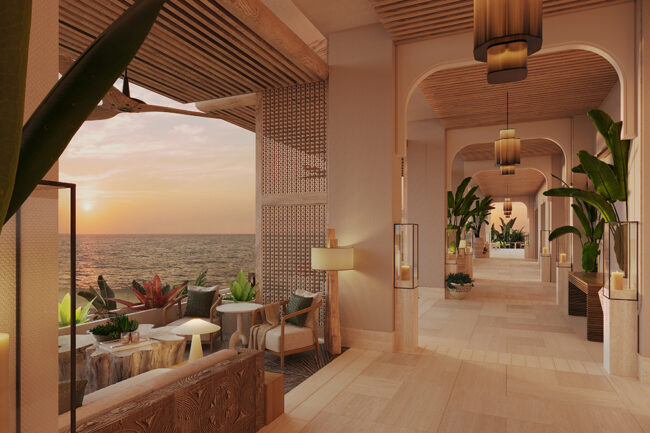
St. Regis, Turks & Caicos
Consistency, Comfort, and Emotional Memory
Brand loyalty is built on trust, but it is sustained through memory.
“Guests may not remember every detail of a space,” Capet observes, “but they remember how it made them feel, and how they were received within it.”
Interiors are designed to support the operational consistency guests expect, while also creating emotional touchpoints that stay with them long after checkout. Guests may not recall specific finishes or layouts, but they remember how a space made them feel, welcomed, calm, inspired, or connected.
This emotional layer strengthens brand perception, enhances guest satisfaction, and supports long-term asset value.
Design That Serves the Long Term
“Lasting design is not driven by trends,” Capet says. “It is shaped by human experience and by a clear understanding of place.”
Trends date quickly and can undermine longevity. A focus on human experience, place specificity, and brand clarity allows projects to remain relevant across market cycles.
Technology and innovation are integrated thoughtfully, supporting operations and guest comfort without overshadowing the physical and emotional qualities of the space.
For hotel owners and developers, this approach delivers:
- Reduced redesign cycles
- Timeless brand expression
- Stronger guest loyalty
- Assets that remain competitive across market shifts
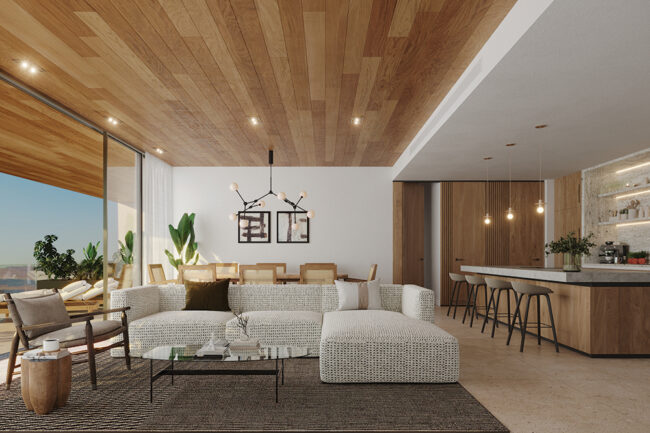
Angsana Real de la Quinta Hotel & Branded Residences
A Shared Philosophy, Carried Forward
Reflecting on the practice’s long-standing values, Capet adds, “Designing for people and place has always been central to how we work. That continuity is what allows our projects to remain relevant over time.”
Nearly 90 years on, this philosophy continues to guide how hotel brands are supported today, through careful listening, integrated design thinking, and a clear focus on long-term performance.
By working closely with brand, development, and operational teams, OBMI helps protect what matters most, trust, consistency, and reputation, while creating destinations guests return to not only for comfort, but for meaning.