


Designing the White Lotus Experience:
A Guide to Slow Luxury at Home
Author: Federica Sammarco, OBMI Project Interior Designer

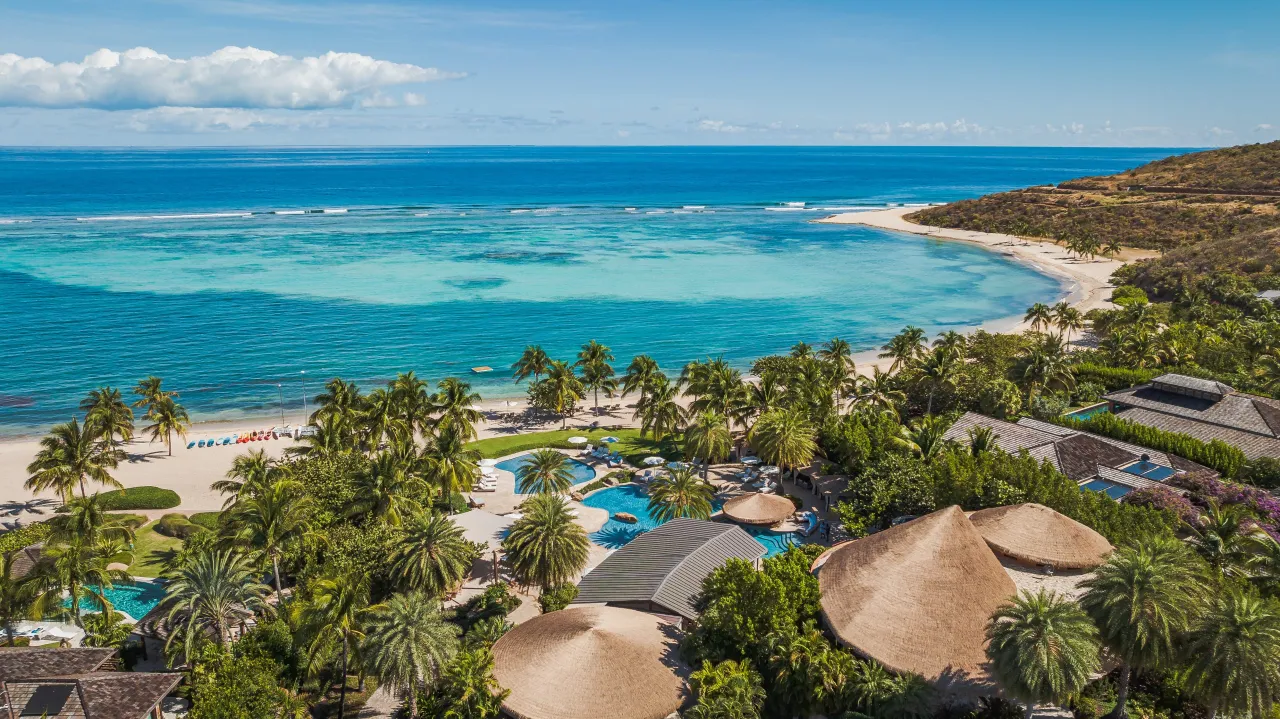
Few television series have made as deep a design impact as White Lotus. Its hypnotic intro may have become the unofficial anthem of the AHEAD Awards 2023, but it was the cinematic aesthetic—spanning Sicilian villas and Thai beach resorts—that truly resonated with design enthusiasts and travelers alike. The show did more than entertain; it redefined how we view modern luxury in hospitality.
At OBMI, we recognize White Lotus as a clear signal for hoteliers and developers: slow, sensual design is no longer fringe. It’s the new standard—an approach rooted in authenticity, intentionality, and emotion.

So, what defines the White Lotus look?
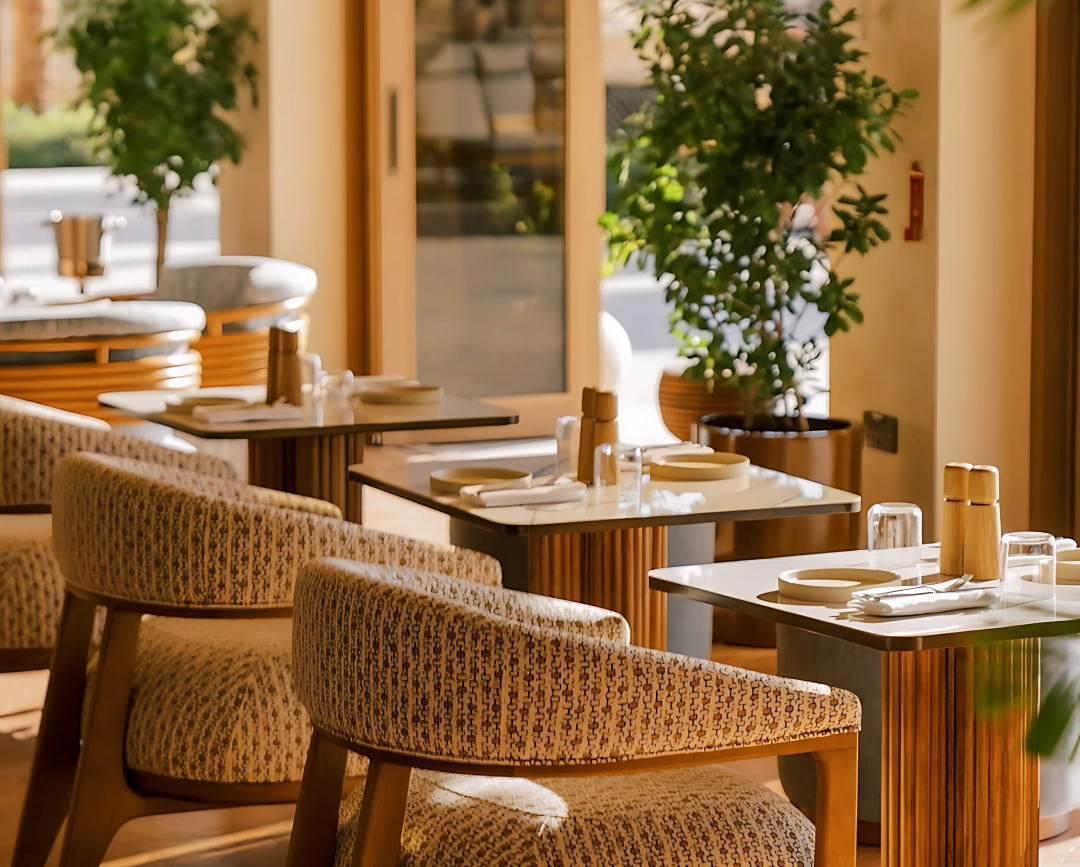
This look is less about trend and more about atmosphere. There’s a lived-in elegance—an effortless balance between restraint and indulgence. The palette is softened and natural, grounded in organic textures and local craft. Interiors feel personal, layered, and transportive.
Today’s luxury guest isn’t just booking a room—they’re seeking a mood, a memory, and a sense of presence. That’s where this aesthetic thrives.
Designing with Intention: Creating Spaces That Linger
Bringing the White Lotus experience to life isn’t about set replication—it’s about emotional resonance. Every element should tell a story.
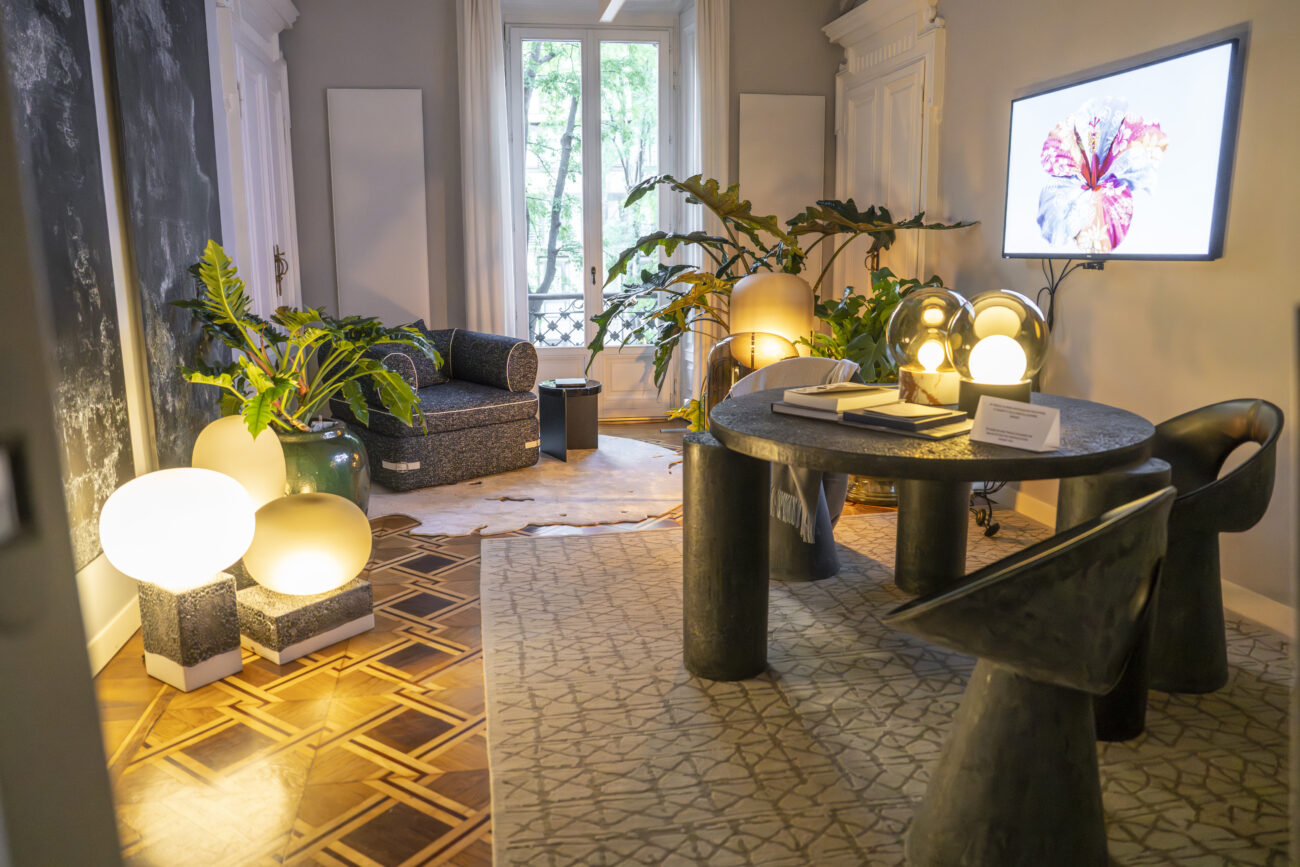
Lighting becomes your atmosphere-builder. Prioritize warm ambient glows. Use sculptural floor and table lamps from designers like Apparatus or Kelly Wearstler. Go big—generous scale delivers drama, just like those iconic oversized bedside lamps from Season Three.
Materials should feel found and soulful:
- Oversized ceramic vases from Domani or local potters
- Antique wood cabinets from Tarquin Bilgen
- Handwoven tapestries from Pierre Frey or Rubelli
These elements are not just accessories—they’re conversation pieces.

Layering Texture, Craft, and Character
In shared spaces like living rooms or lounges, embrace the curated mix. Combine vintage finds with contemporary furniture. Think patterned cushions from Cabana, Arte wallcoverings paired with paneled wood, and a rich interplay of tones across upholstery.
Wellness is now a design essential. Even in hospitality environments, guests crave stillness and reflection. Add a meditation corner with natural linens, soft rope lanterns (Ay Illuminate), and dark Thai timber to evoke calm. Bathrooms, too, should feel spa-grade:
- Freestanding tubs
- Rain showers with integrated audio
- Textured stone underfoot
- Oversized mirrors that expand the experience
Design these spaces not for function alone—but for restoration.
Designing for Meaningful Connection
In bedrooms, elevate the bed and headboard into focal points. Crisp white linens, custom-crafted headboards, and textiles that speak to the location create a powerful sense of place. When possible, add a lounge area to shift a suite from standard to special.
And don’t overlook technology. Centralized lighting and environmental controls ensure the experience remains seamless and intuitive—quietly supporting the guest journey without disruption.
Not Just a Stay, But a Sense of Place
The true triumph of the White Lotus aesthetic is its embrace of imperfection and individuality. A worn rug, a sculptural lamp, a handmade bowl—these pieces ground the space. It’s about soul, not sheen. About design that feels somewhere, not anywhere.
At OBMI, we craft spaces that linger long after the guest has left—emotionally resonant destinations shaped by cultural depth and material storytelling. The White Lotus aesthetic isn’t just a trend—it’s a reminder that luxury today is deeply human, grounded in atmosphere, and shaped by intent.
Interested in bringing this slow luxury approach to your next hospitality or residential project? Contact [email protected] to get connected with Federica Sammarco!