What the CALA Conversion Wave Actually Requires
- Liora HaymannPrincipal
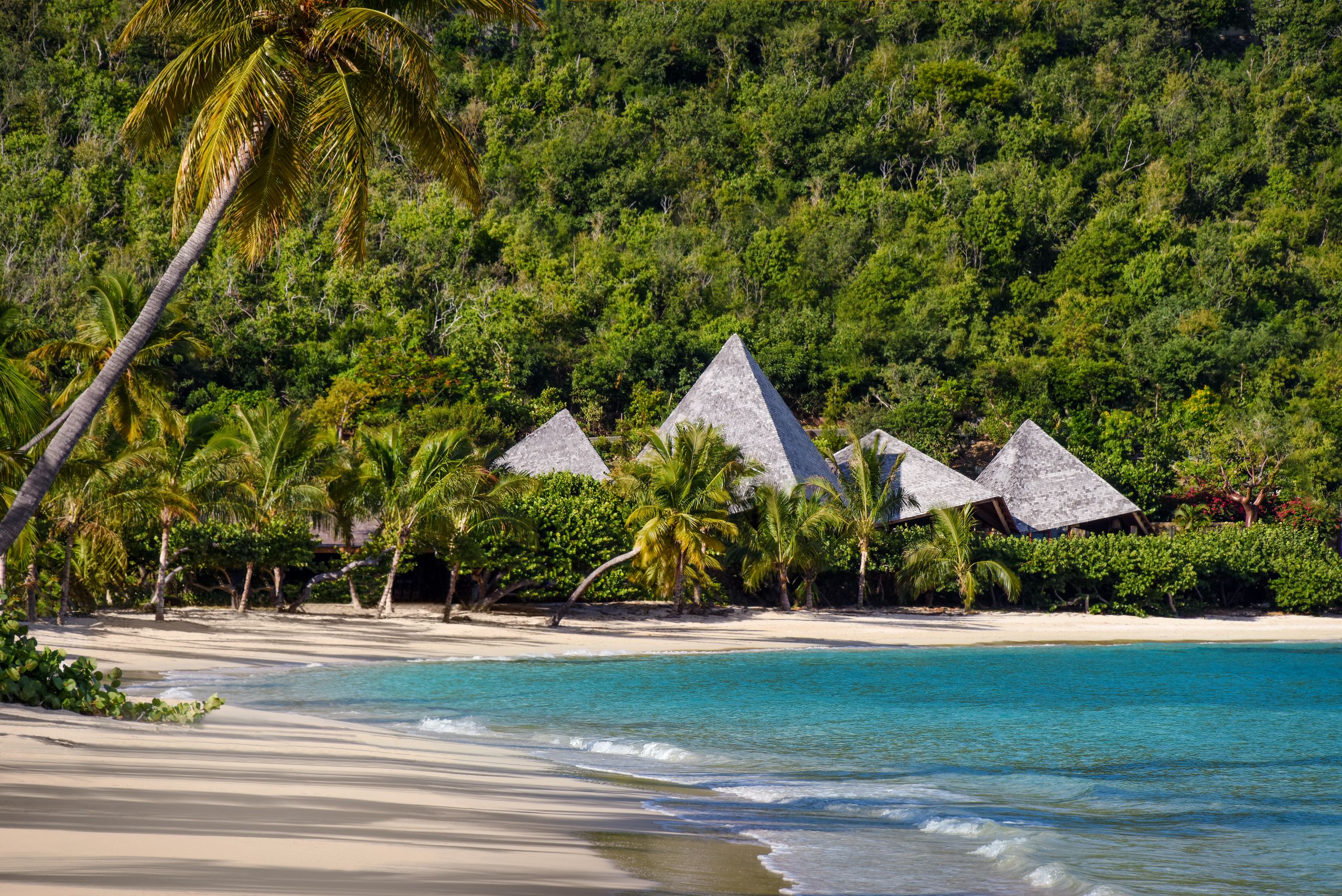
For much of its history, the Caribbean and Latin America sat outside the calculations of the world's major hospitality brands. Markets were small, ownership was local, and many destinations were too remote to justify the infrastructure that brand expansion typically demands. This calculation has changed. Brands need to expand continuously to sustain their own growth, and the regions they once considered peripheral have become some of the most active conversion markets. Faced with high construction costs and current lending volatility, hotel owners are finding that renovating and rebranding independent properties offers a faster path to growth than new builds, allowing them to tap into established loyalty networks without the longer development timeline.
The numbers bear this out: Marriott's CALA pipeline now includes 45 conversion projects representing more than 6,000 rooms, with conversions accounting for roughly 30 percent of rooms signed in 2025. At IHG, roughly half of all deals being made in the region today are conversions. Accor, the largest hotel operator in South America, reports that more than 50 percent of its development globally comes through conversions, including in its luxury and lifestyle segments. The opportunity is real, and the question worth asking is whether the region has what it takes to meet it.
I have spent three decades working across Latin America and the Caribbean. My view of the current moment begins with a simple observation: roughly 80 percent of CALA's hospitality assets remain unbranded, a clear opportunity gap. The unbranded majority is not evidence that the region has been overlooked by quality, but rather reflects a market that was, until recently, too specific and too small for brands built around scale. Brands have created soft sub-brands that allow them to enter places they never considered key before.

That distinction matters, because it changes what the conversion wave is solving for. A brand entering a CALA market is not correcting a deficiency in the asset, rather it is offering access to global booking platforms, loyalty programs, and the operational standards that international travelers expect. The conversion wave seeks to balance keeping local character and identity while adjusting scale to meet the requirements of quality service and operations. The most consequential shift enabling this is the rise of soft brands, which allow far greater design flexibility than the standardized programs of a decade ago. Where rigid brand standards once meant a property had to choose between global recognition and local character, soft branding increasingly allows for both.
Not every asset makes that choice the same way. Inkaterra, the Peruvian hospitality group, has remained independent rather than affiliate with a global brand, prioritizing a level of design, identity, and operational specificity that a brand would have constrained. I see it as the clearest example of the alternative path: a property choosing to retain full control of its own identity rather than trade some of that control for global reach. Neither path is inherently correct. The real point is that an owner now has a genuine choice, and the right answer depends on what that specific asset, in that specific place, is trying to be.
This is where the conversation usually stalls, treating branding as a binary between authenticity and access. My experience suggests the opposite: the highest luxury brands are creating smaller and smaller hotels, where uniqueness, remoteness, authenticity, and exclusivity have become the truest luxury. The more useful question, then, is about capacity. Capital is already moving in both directions across this market, and that flow makes the capacity question immediate rather than abstract. CALA's confidence as an investment region is well placed, but only under specific conditions. That confidence depends on owners working with intelligent local advisors and partners who understand each country's political and regulatory rhythms individually, since market size and conditions vary considerably from one country to the next. There is no single CALA market to read, but a dozen smaller ones, each requiring its own relationships and its own attention.
Another issue relevant to this moment concerns design capacity. In much of the CALA region, local hospitality design capacity is limited. This is not a reflection of the quality of local design talent, which I have found to be genuinely strong in many markets. It rather reflects a market that has not yet developed deep specialization in hospitality design specifically, because the volume of luxury branded projects has, until recently, simply not existed. Mexico is the exception, where the historic volume of the hospitality sector has created, through decades, significant local expertise.
Partnership became the practical answer to this gap. Local practices bring relationships, regulatory fluency, and cost structures suited to the market. International practices bring hospitality-specific design expertise built over decades of working at a scale the region has not yet reached on its own. For owners and developers, this kind of partnership is often the most effective way to access international design quality while staying within the budget realities of CALA development. I think of this as a relationship that deepens over time, built on sustained commitment to a region and the design intelligence that comes with it.
Our strongest case for long-term confidence in CALA is the combination of growth projections and the recognition that growth and partnership are moving together, each shaping how far the others can go. For practices like OBMI, that recognition is the work.

Liora Haymann, Principal
Chilean-born and MIT-educated, Liora Haymann brings three decades of experience in architecture and urban design across the Americas, the Caribbean, and the Middle East. Since joining OBMI in 2006, she has led multidisciplinary teams and client workshops while contributing to the firm's strategic direction.
Recent Field Notes
The Fabric of Place: How Storytelling Shapes Design for Communities and Brands
Discover how OBMI weaves storytelling into hospitality design, creating authentic experiences for luxury travellers, communities, and brands worldwide.
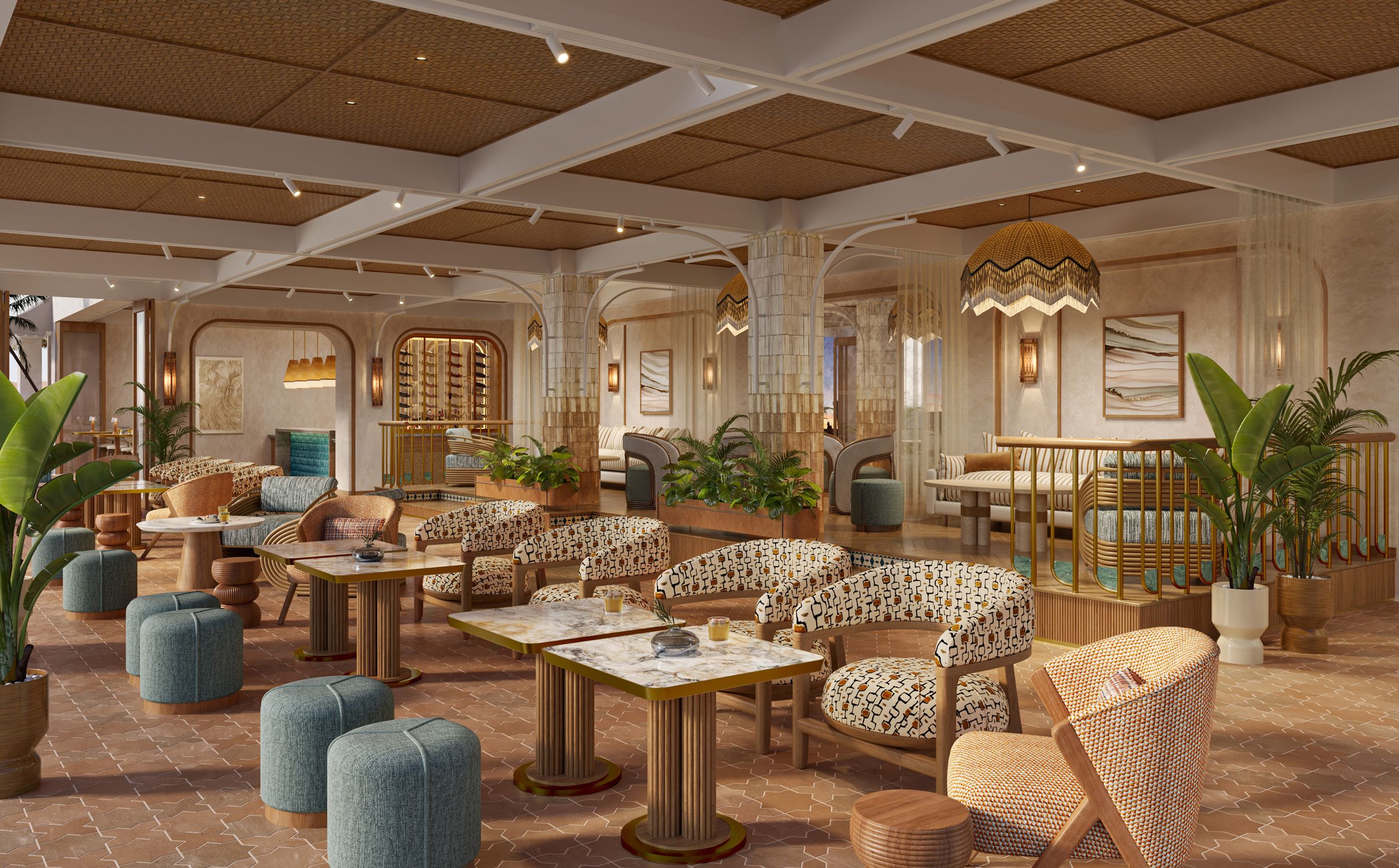
How OBMI Works With Hotel Brands
Discover how OBMI weaves storytelling into hospitality design, creating authentic experiences for luxury travellers, communities, and brands worldwide.
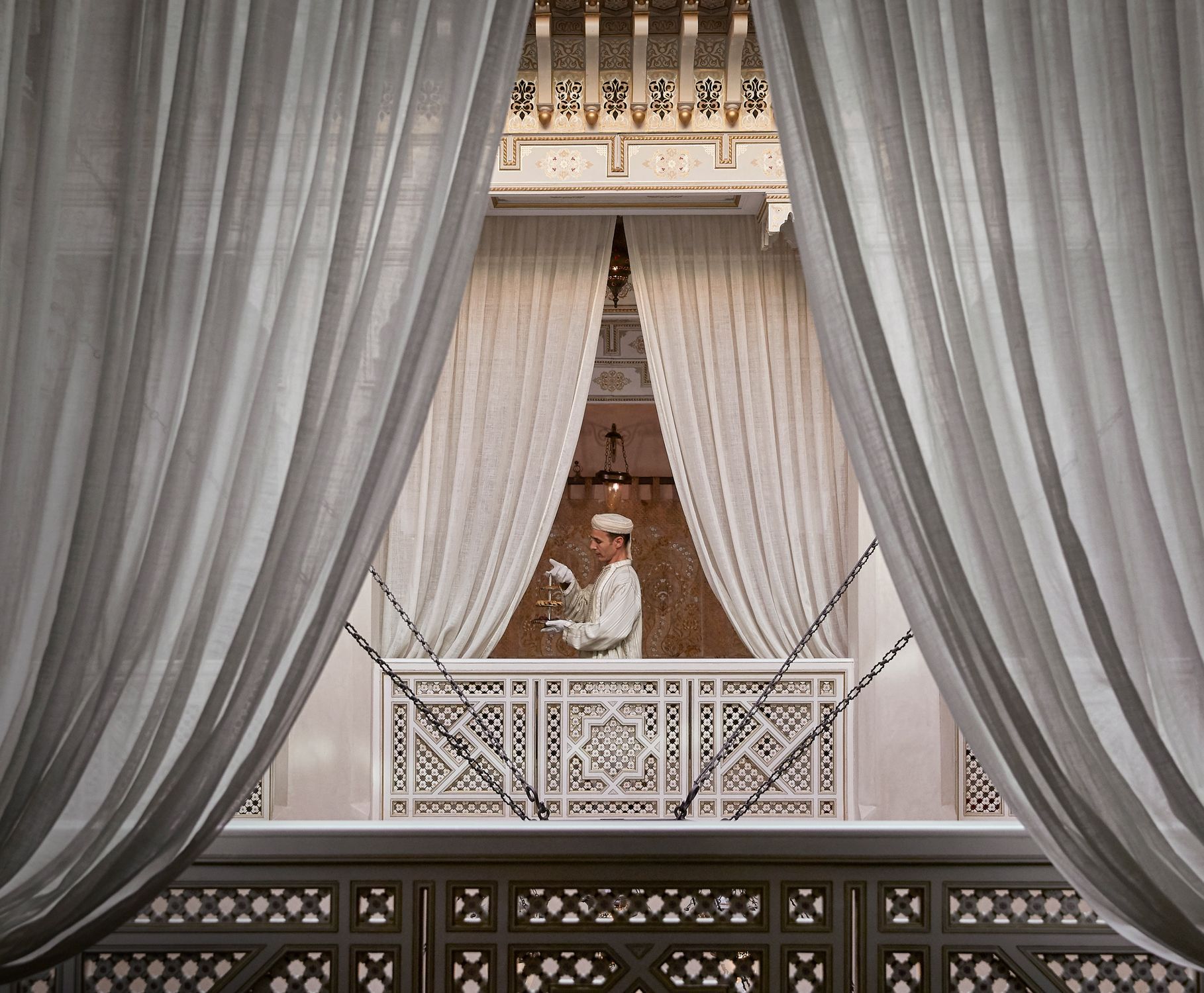
Cultural Authenticity is Defining the Future of Luxury Hospitality
How OBMI’s Royal Mansour Marrakech shows why cultural authenticity, craftsmanship, and sustainability define what today’s luxury travellers value most
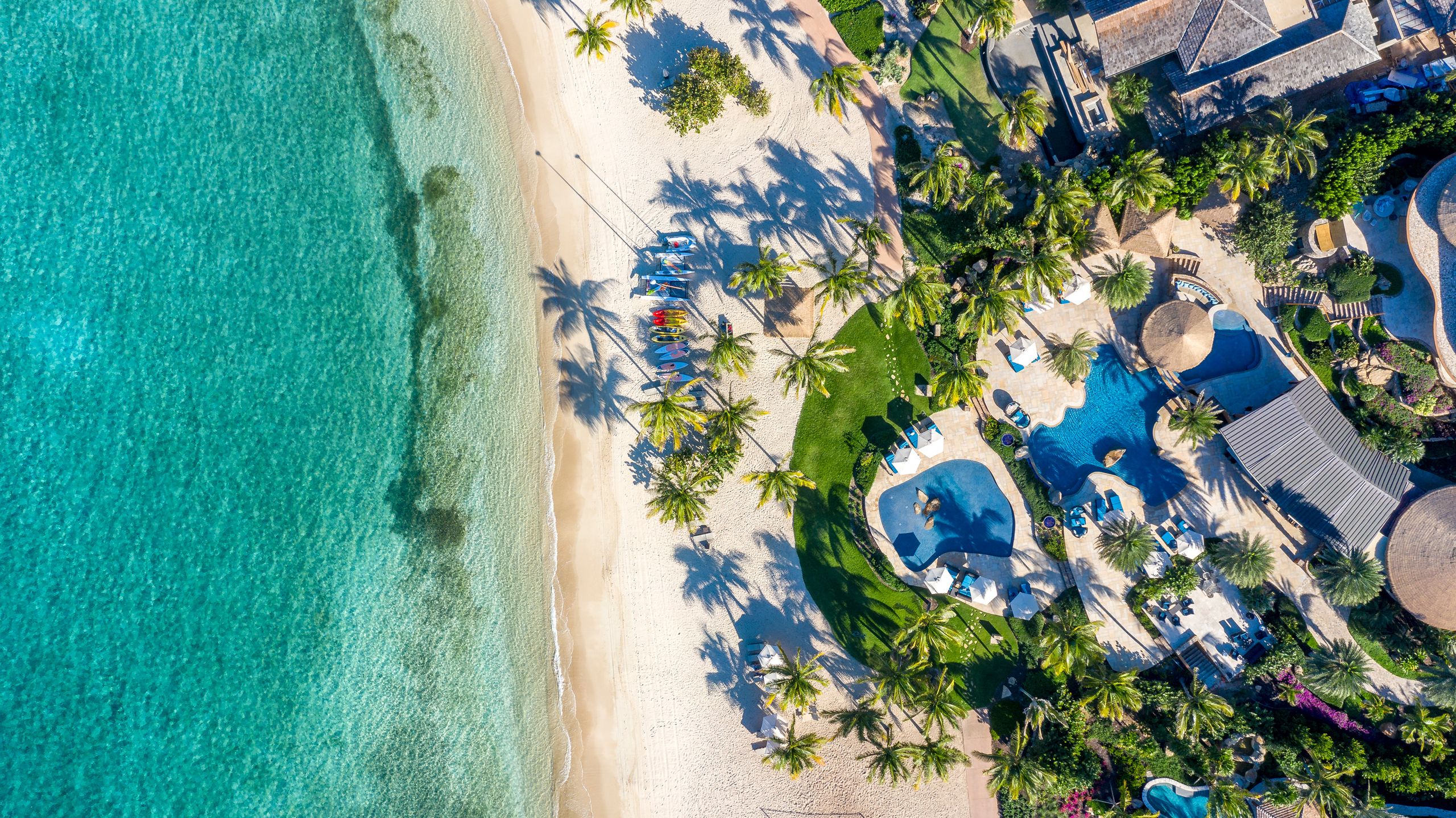
Lessons from the Caribbean: Designing with Communities
Discover how OBMI’s Caribbean legacy shaped a philosophy of community-centered design, where authentic hospitality and sustainability drive long-term success.