Sustainability & Wellness
Responsible design and human wellbeing, treated as one.
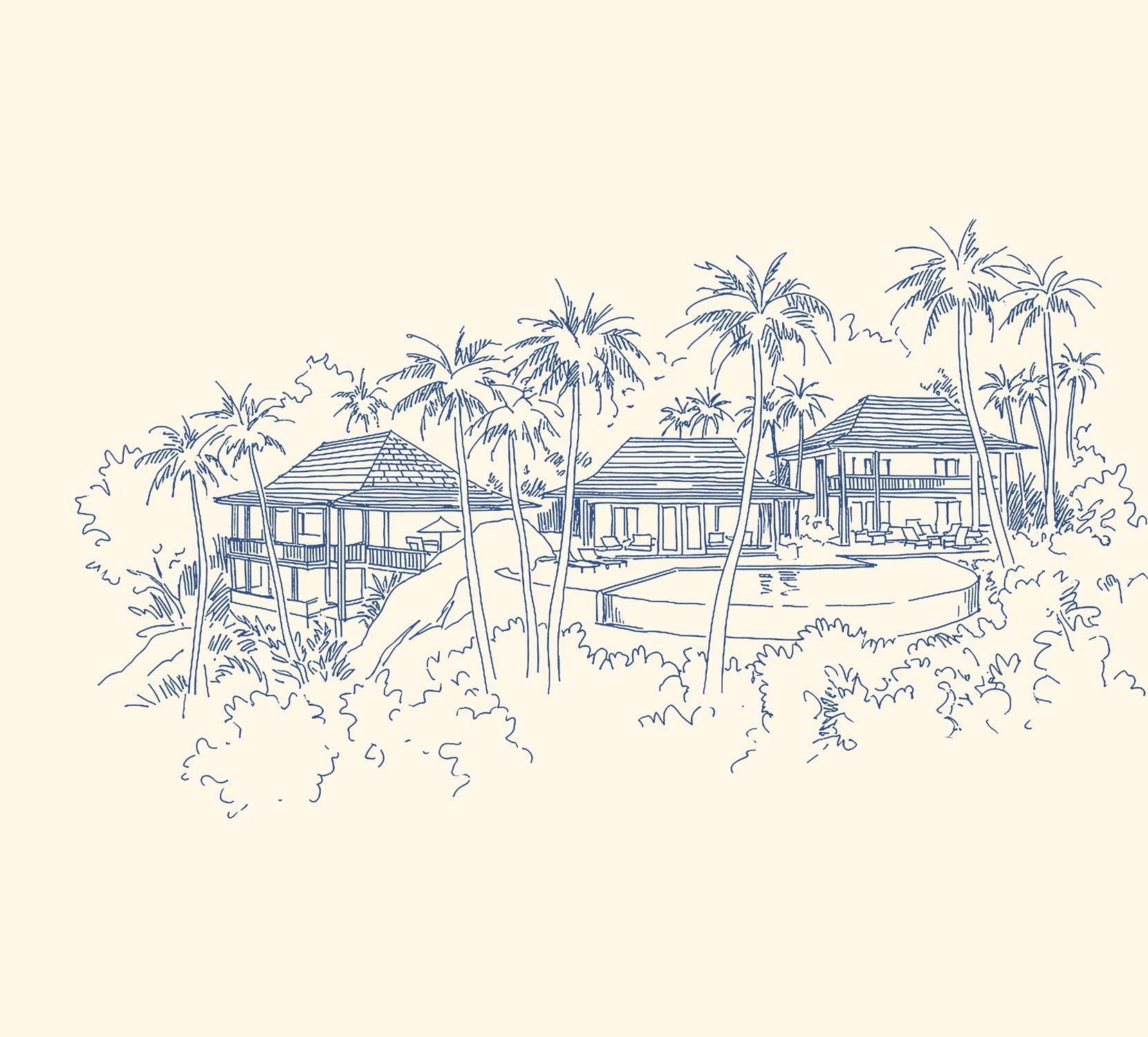
OBMI's understanding of sustainability began on islands with limited infrastructure, where water was collected from roofs, waste was treated on site, and buildings relied on climate rather than mechanical systems. These conditions demanded thoughtful, resourceful design rooted in local knowledge. That philosophy continues to shape how we work.
Today, that philosophy is supported by environmental intelligence. From solar exposure and prevailing winds to daylight, thermal comfort and ecological conditions, we use analysis to understand how a place performs before we shape how it looks. This evidence-based approach helps us make informed decisions that improve resilience, comfort and long-term value from the earliest stages of design.
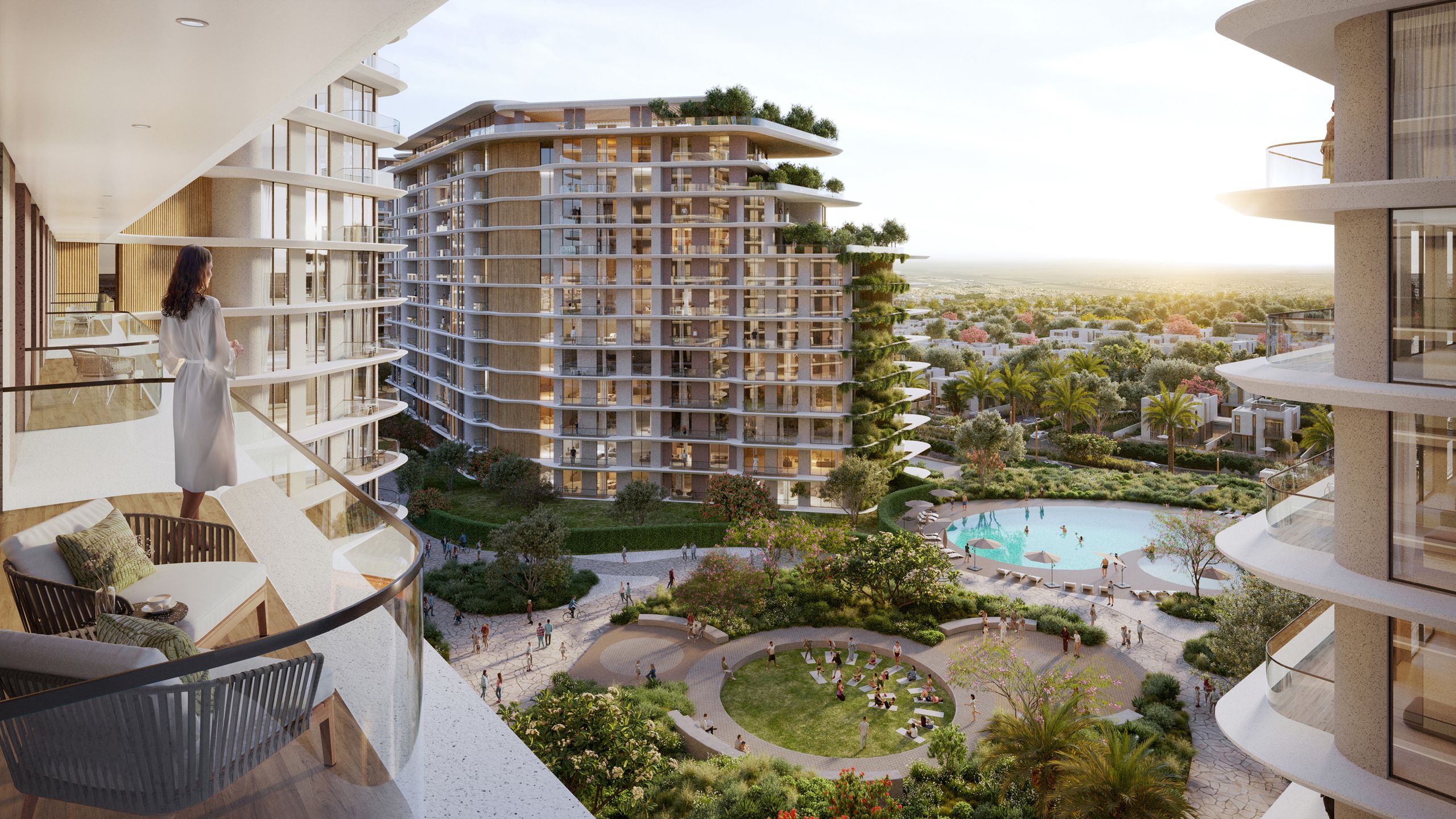
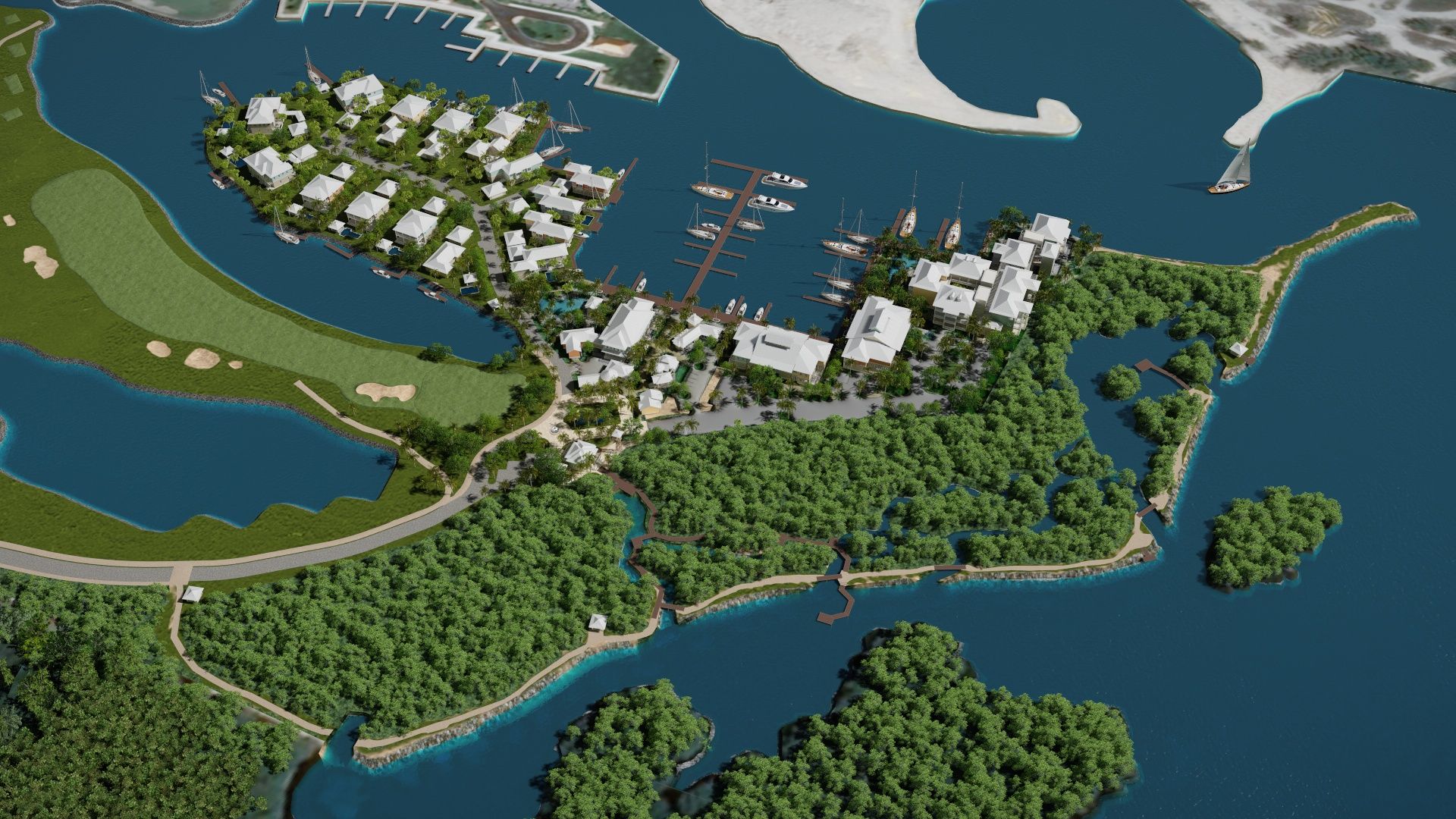
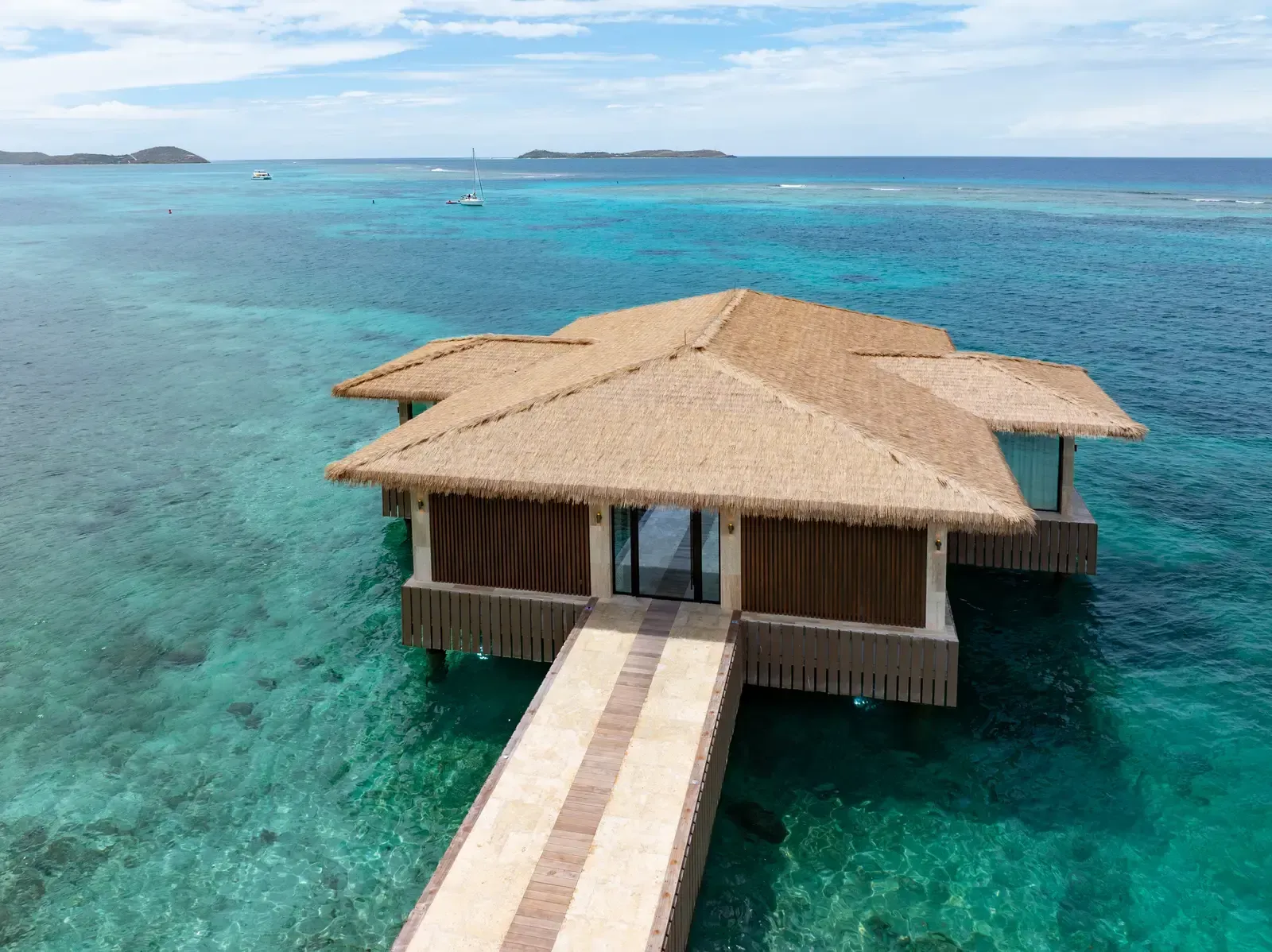
Sustainability, like storytelling, sits in the foundation of a project and runs through everything we design. What the islands taught, designing with a climate rather than against it, now shapes work in environments far from where we began. We weigh whether to restore a structure or replace it, favour materials sourced close to a site where the project allows, and read the forces of a place, whether storm and rising water on a coast or heat and scarcity in a desert, designing with them rather than resisting them.
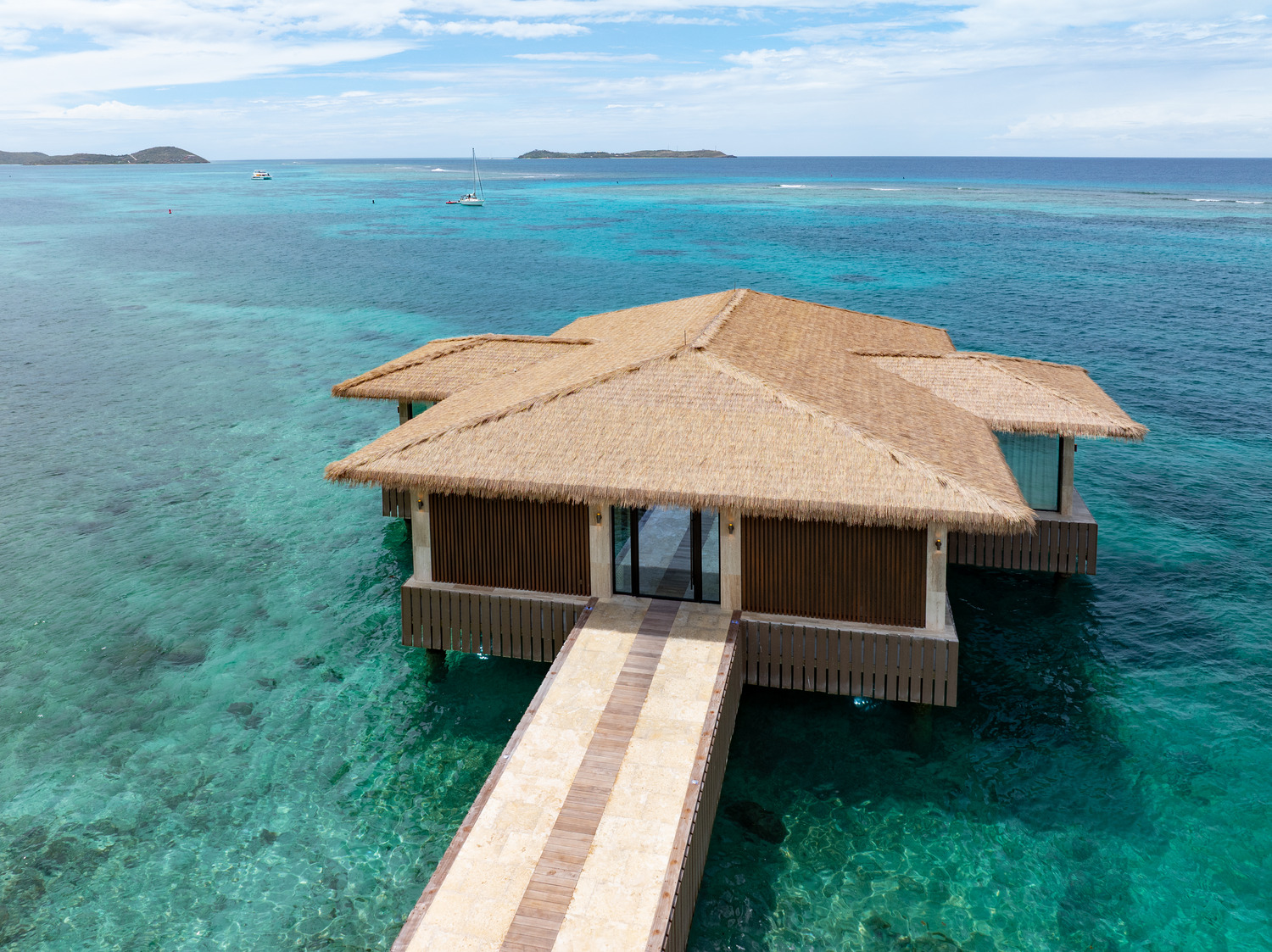


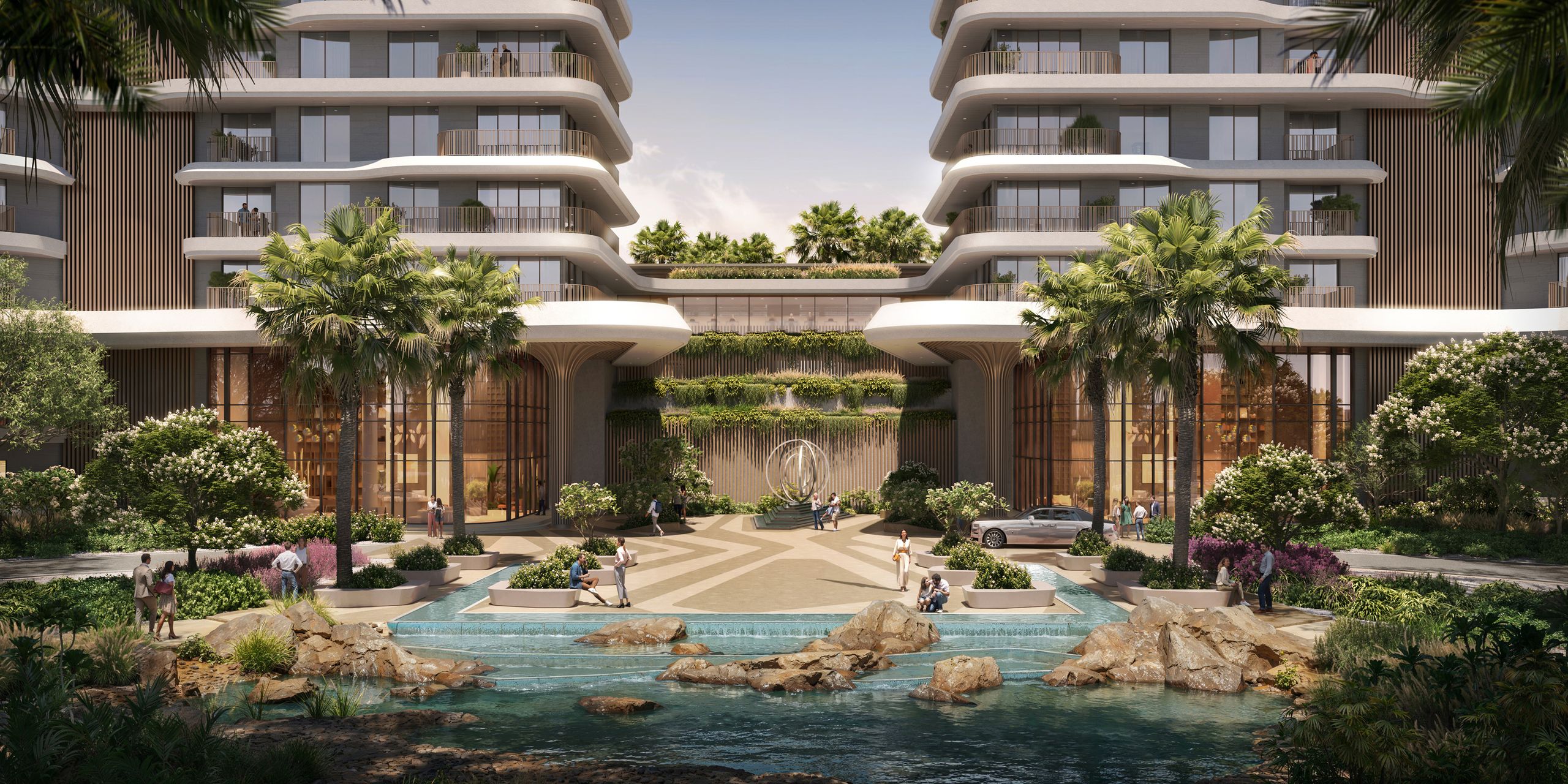
Increasingly, our ambition extends beyond reducing environmental impact toward creating places that regenerate ecosystems, strengthen communities, and leave destinations healthier over time. This is design built to last, so a place still serves the people who use it and the setting around it long after it opens. Because resilience is embedded from the beginning, projects are better prepared to adapt, remain relevant, and create lasting value for owners, operators, and communities alike.

“Great hospitality begins by understanding a place—its climate, its culture, and its rhythms. Sustainability and wellbeing are simply the natural result of designing with that understanding.”
Carlos Luchau,
Senior Project Manager
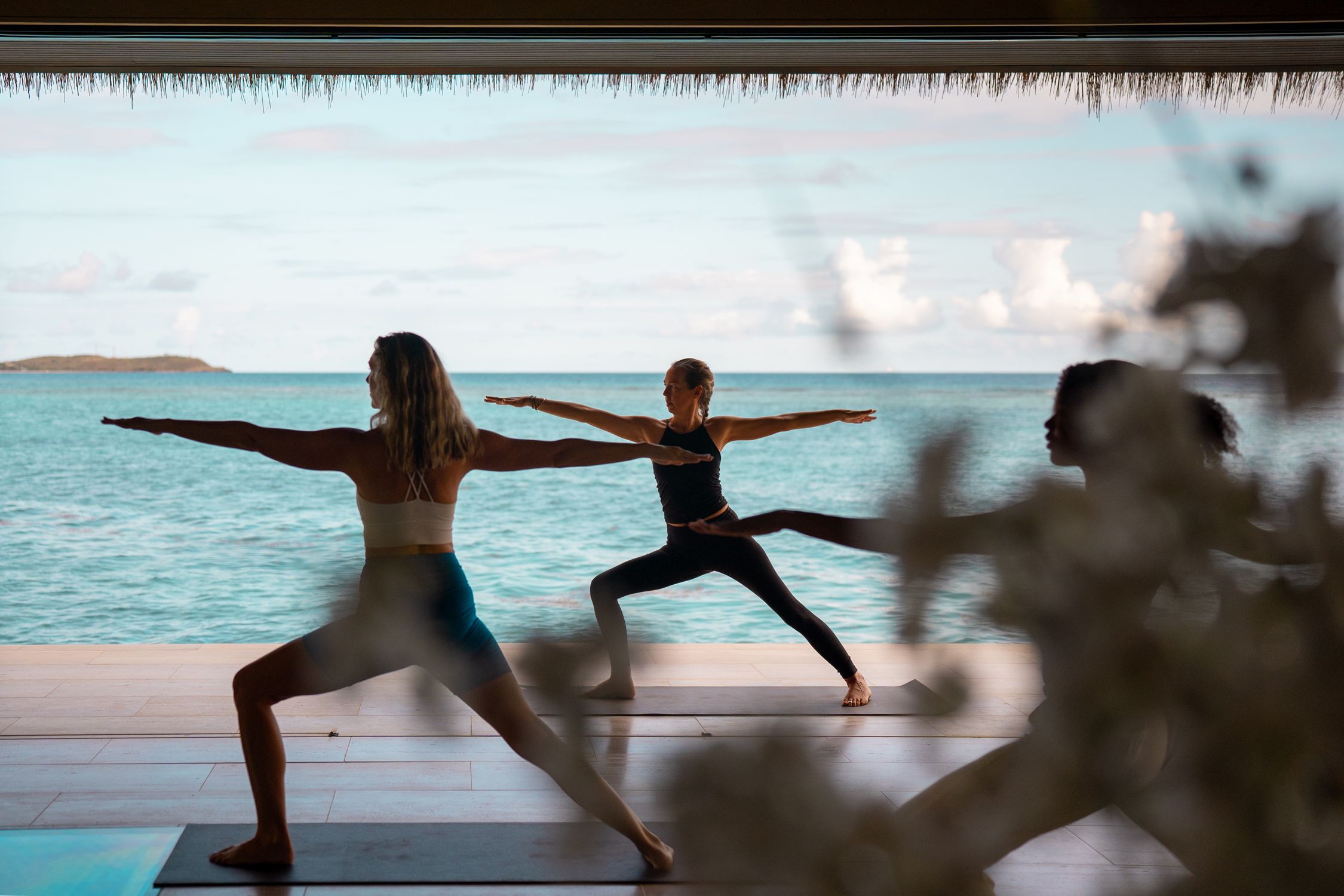
In hospitality, the most meaningful expressions of sustainability are often the ones guests never consciously notice. They experience them through comfort, connection to place, and the effortless quality of their stay. Wellness begins well before the spa or the gym. It is shaped by daylight, thermal comfort, acoustics, movement, views, connection to nature, and opportunities for restoration throughout a guest's journey. These elements influence how people feel, recover, connect and perform, making wellbeing an outcome of the entire environment rather than a destination within it.
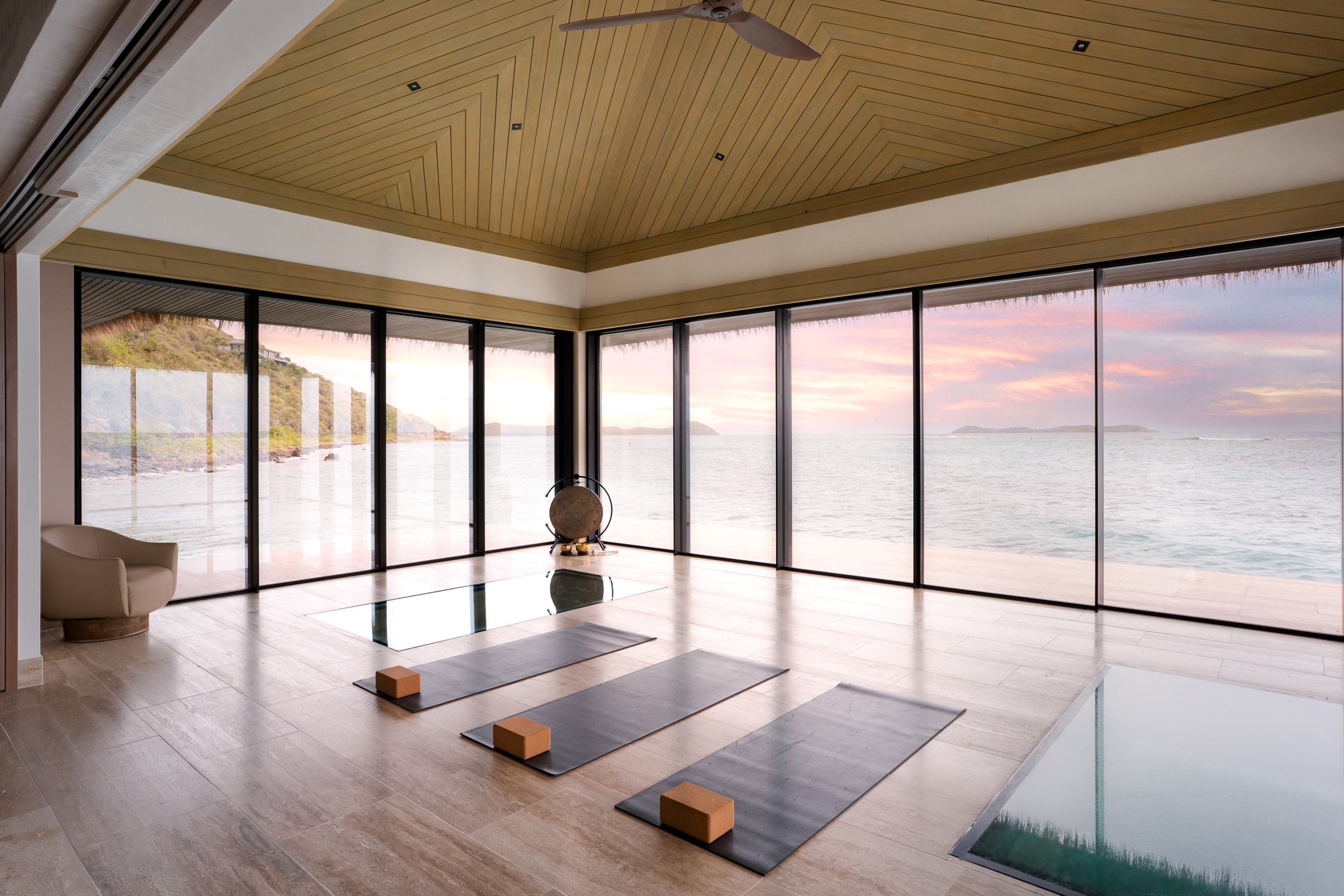
For us, sustainability and wellness are not parallel ambitions but complementary outcomes of thoughtful design. Places that respond intelligently to their environment naturally support healthier experiences, stronger communities, and greater long-term value.
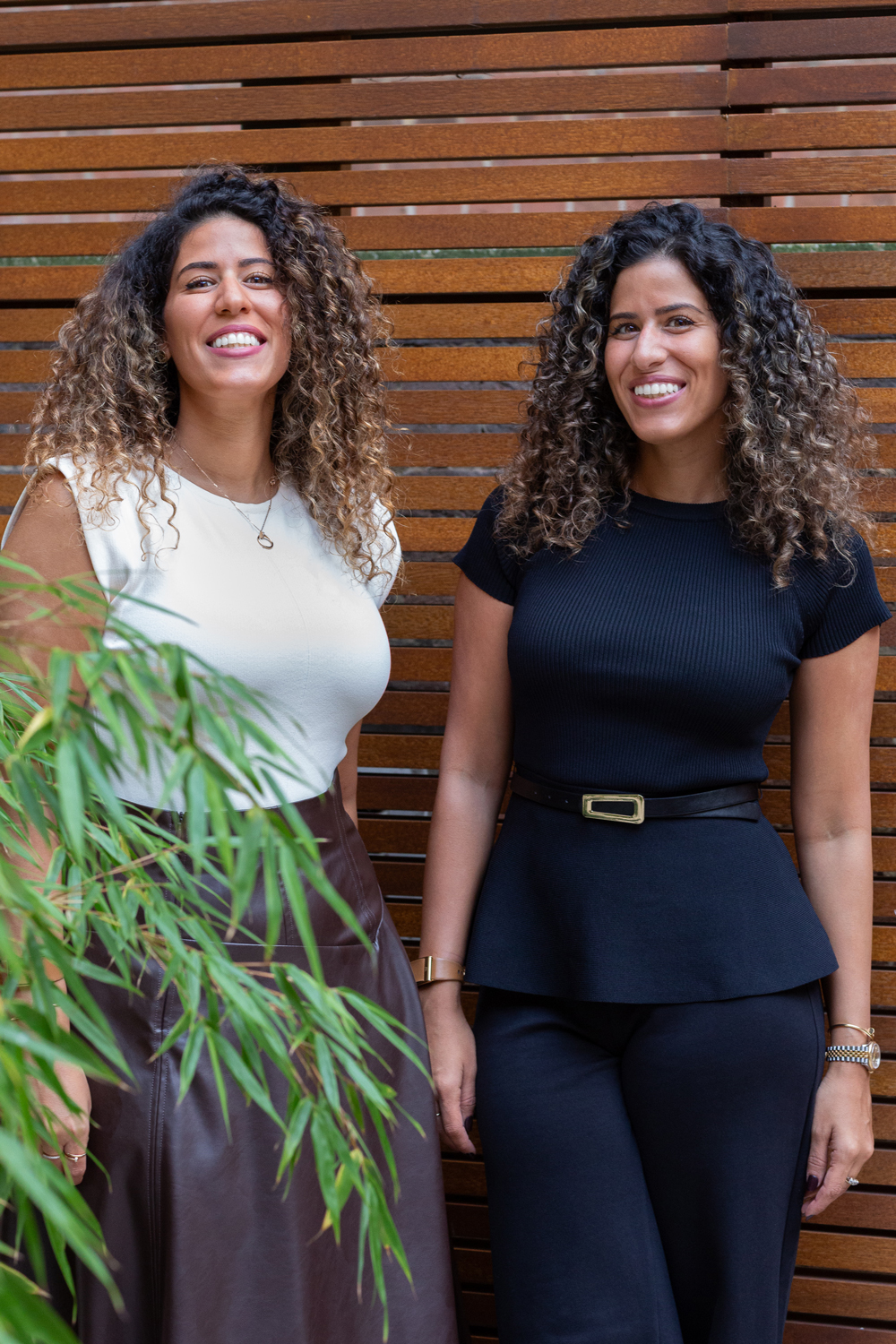
“Nature is always something we design with, not around. It's an emotional instrument, the connective tissue of the project. When you add nature into a project, it's what makes it alive. It creates the heartbeat.”
Nadeen & Shereen El Margoushy,
Senior Lead Design Architects
Experts
- Carlos LuchauSenior Project Manager
- Marielle De Pena MateoSenior Project Manager
- Tim PeckChairman
Selected work
Up next
Branding
Where the identity of place becomes visible.
Explore