Interior Design
Where spatial sequence becomes sensory experience.
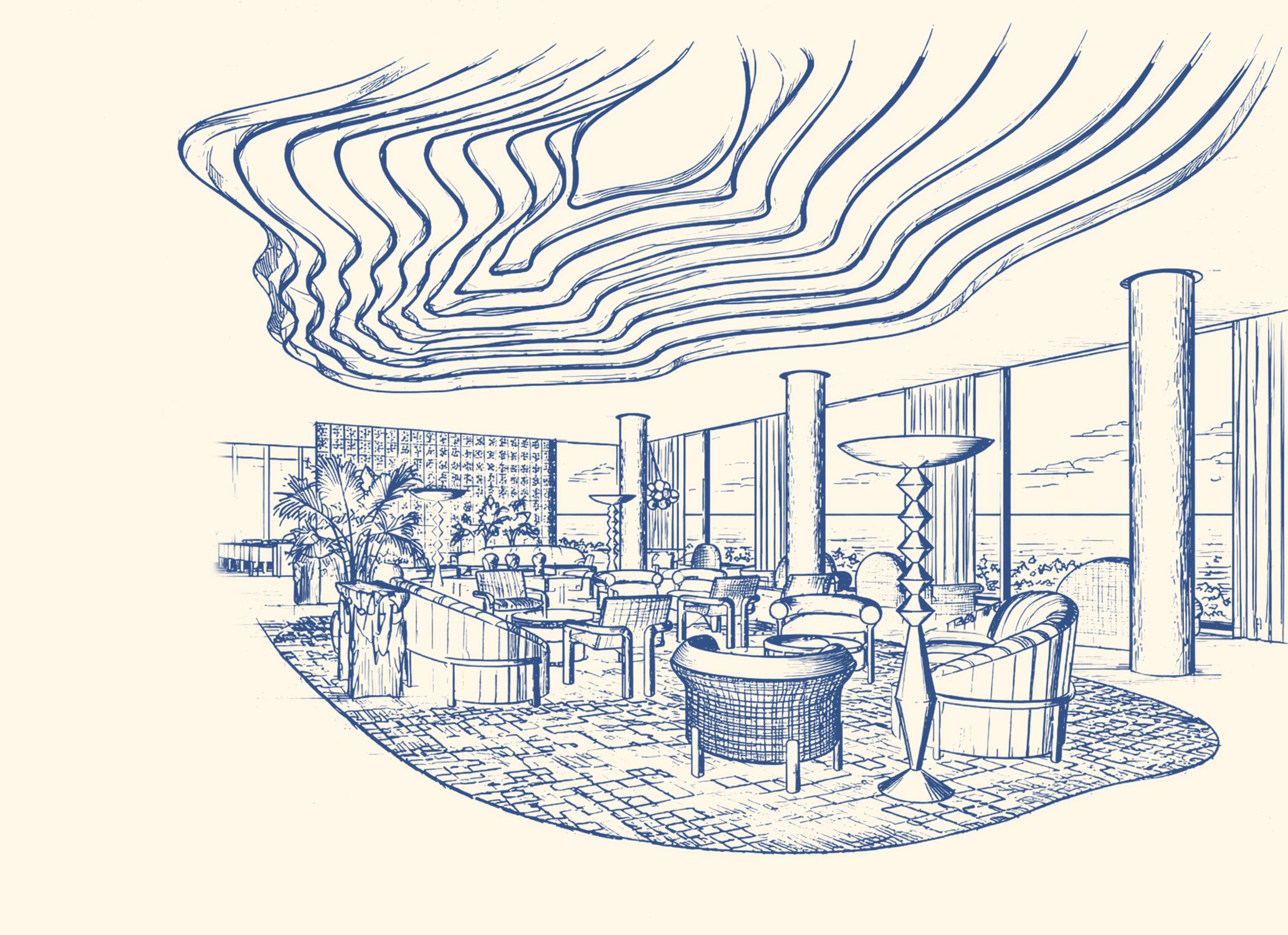
At OBMI, interiors begin earlier than most. We sit with the architects at the Envisioning stage, shaping the narrative a project will tell before a single space is drawn. That story becomes the backbone of everything that follows, through the master plan and the architecture and into the interior, which is why the interior reads as part of the place rather than something applied to it once the structure is built.
A story doesn't stop at the threshold. It carries from the gate, through the landscape, and into the interior, told in greater detail at each stage, until inside and out read as one continuous narrative. The interior is where it reaches its most intimate register, where atmosphere becomes material and texture and the surfaces a person meets up close.
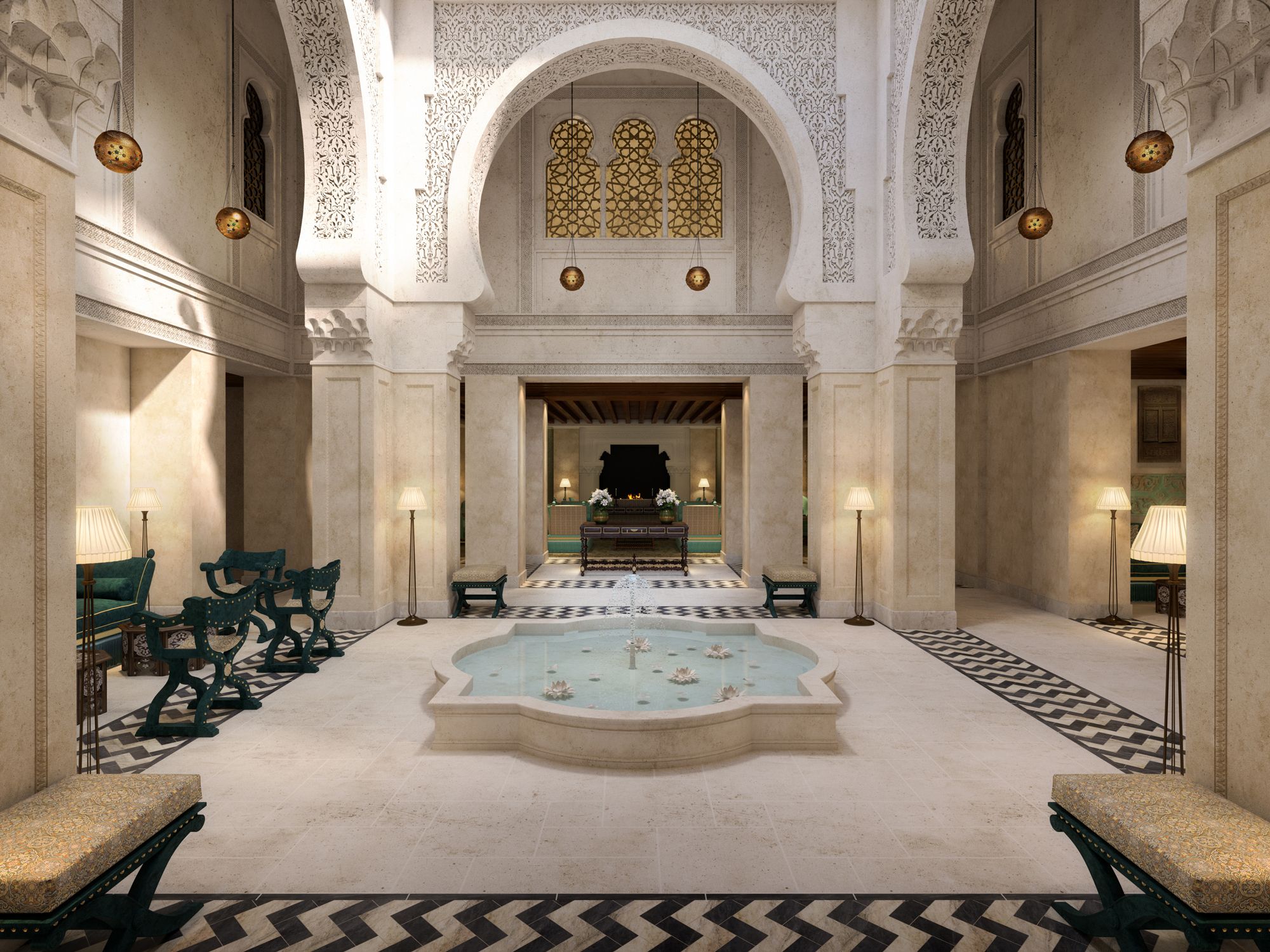
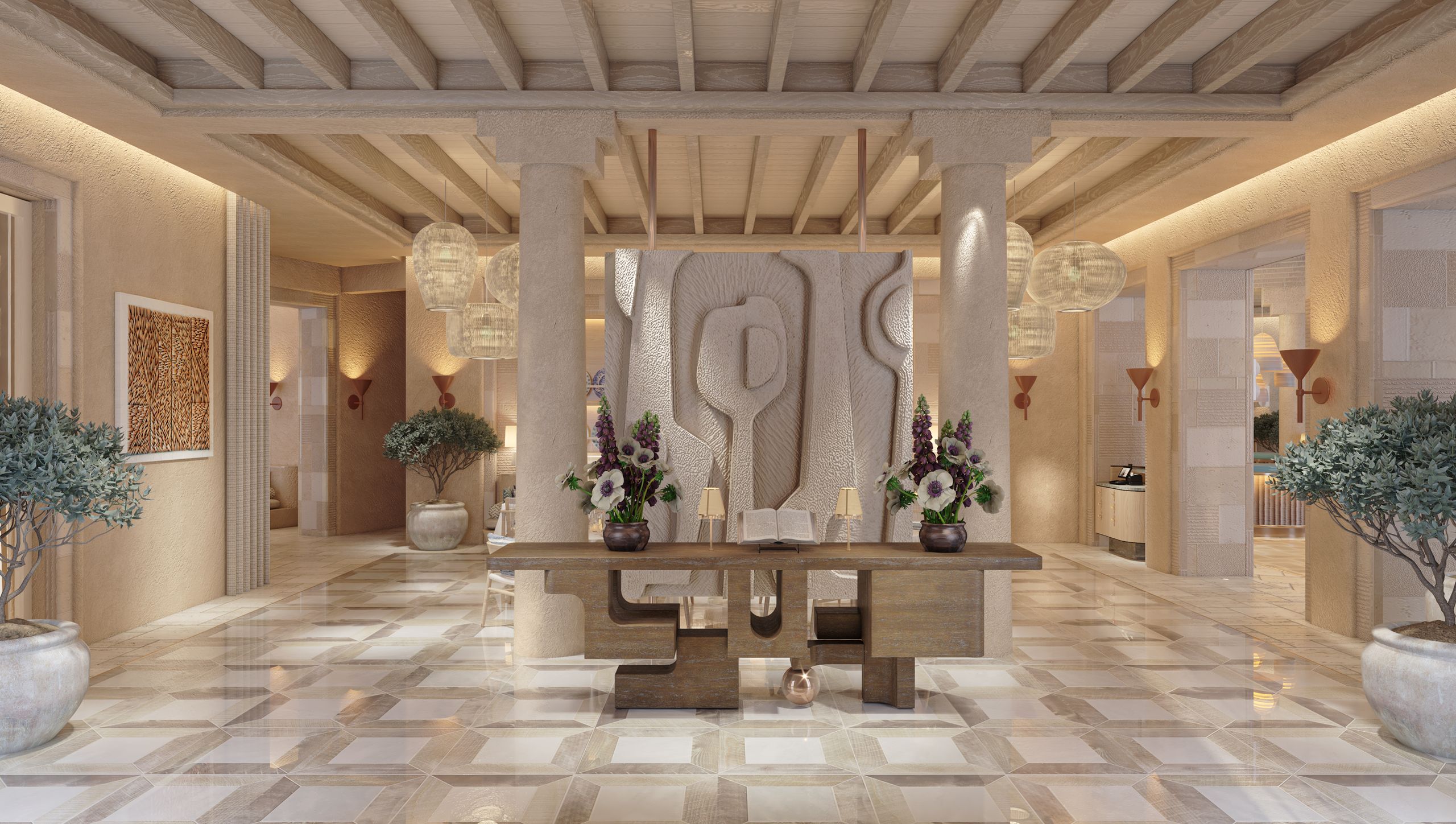
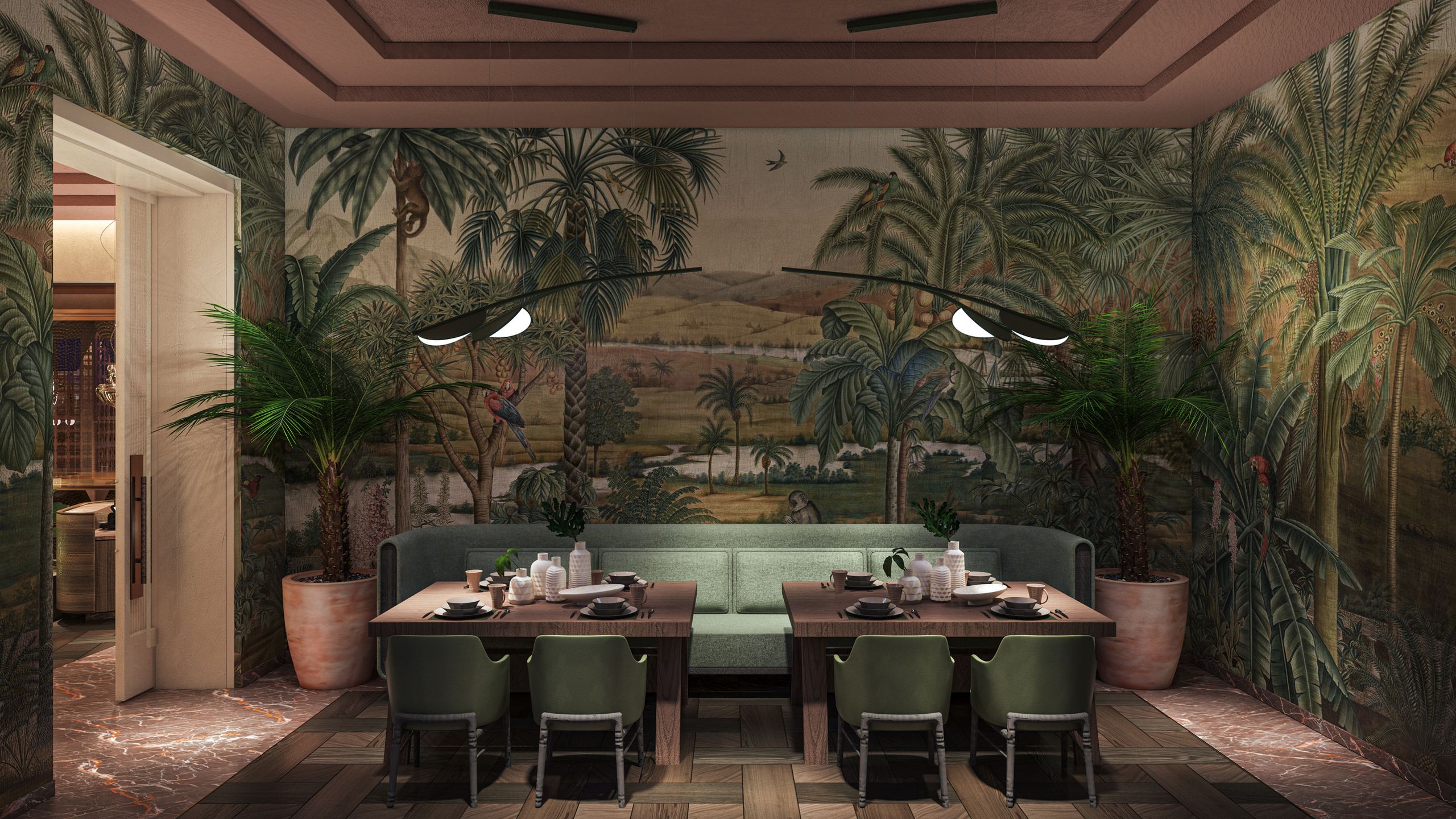
A room is asked to do several things: one purpose in the morning and another after dark, or a shift with the seasons that the layout has to anticipate. It must hold its quality through the life lived in it, whether by a guest for a few nights or a family for years.

“Every place has a story, and we start writing it with the architects before a wall exists. Guests come looking for emotion, the interior is where that emotion finally becomes something they can touch and feel. It's not the last chapter. It's the one closest to the person living it.”
Maud Capet,
Associate Principal, Interior Design
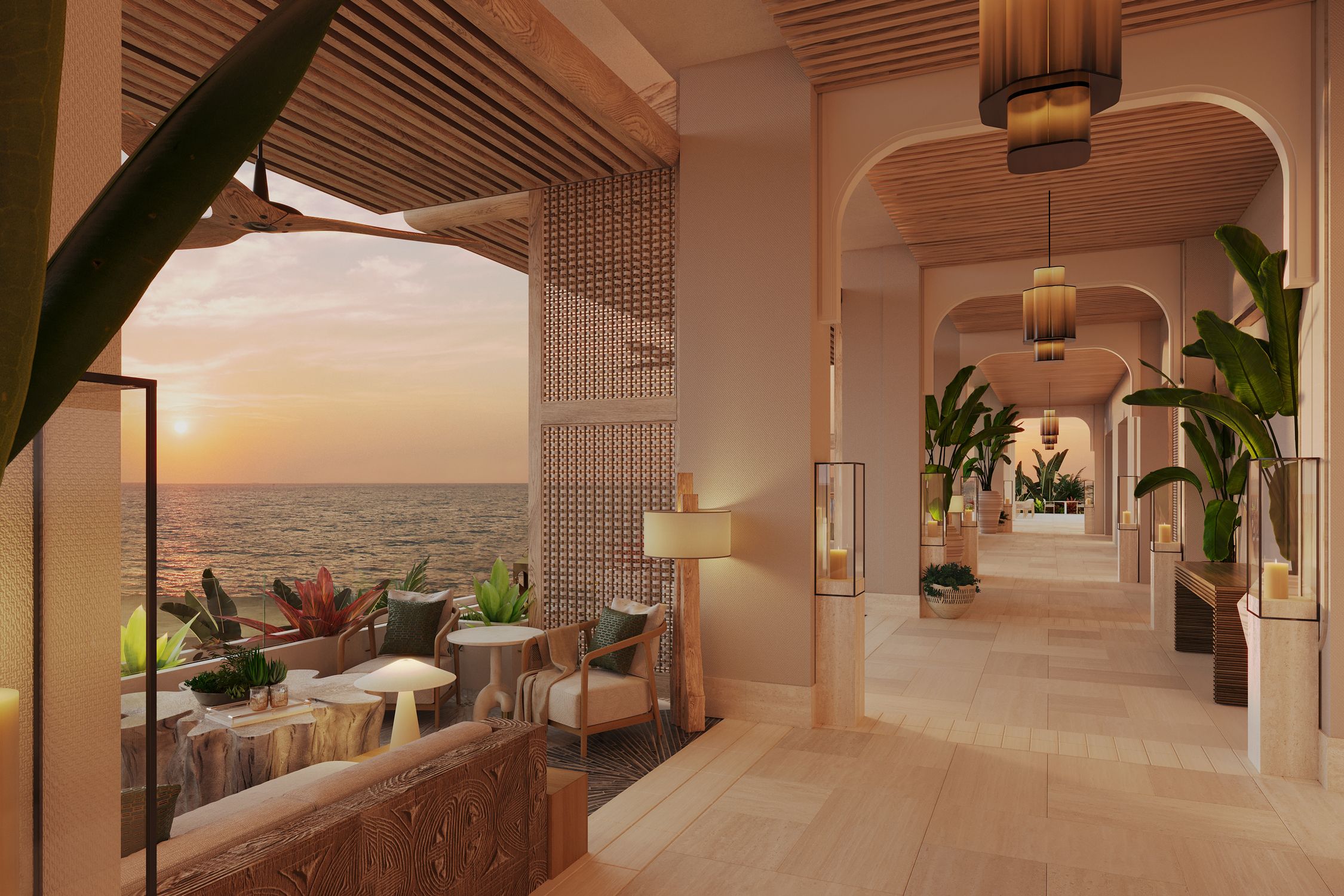
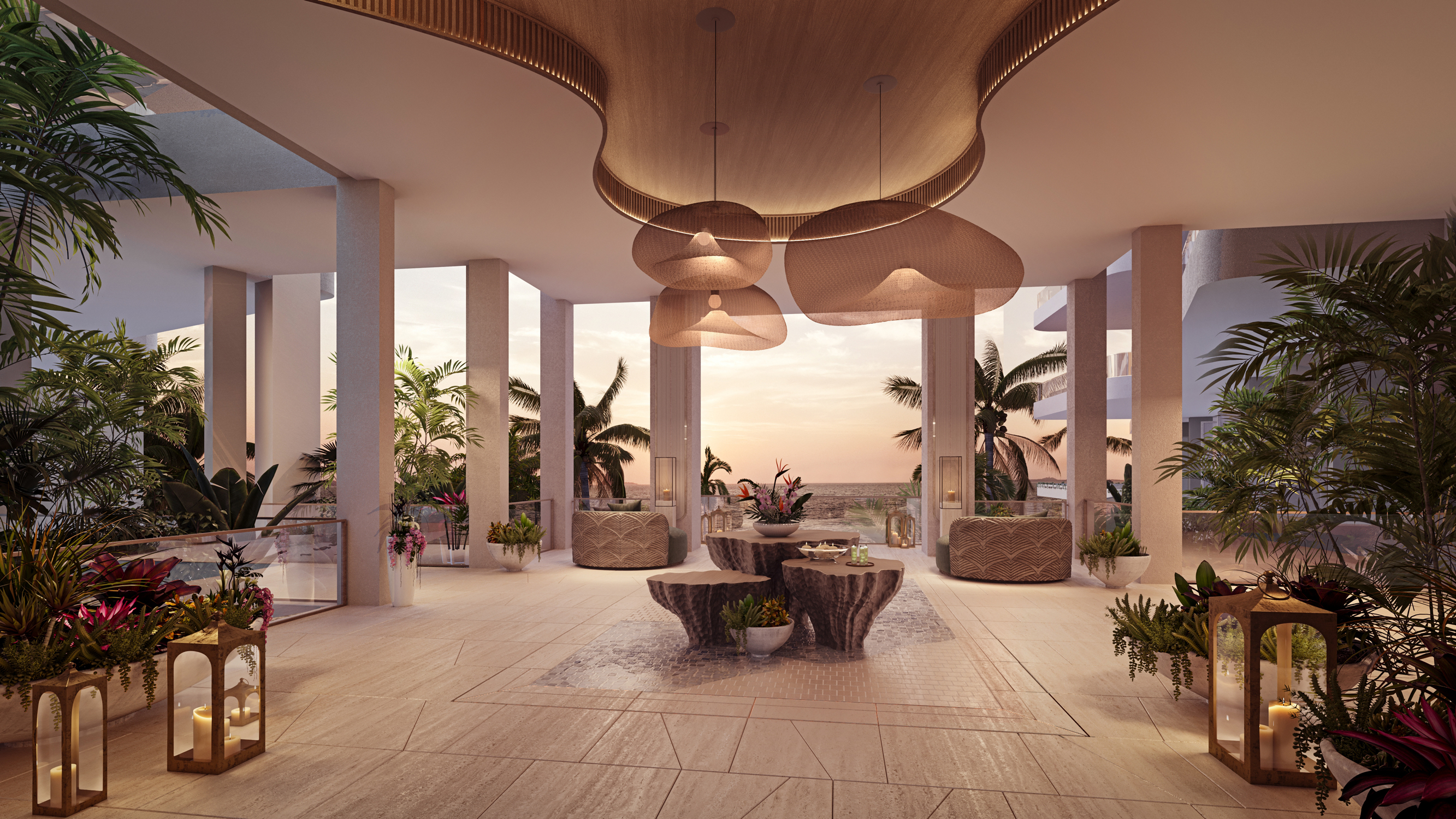
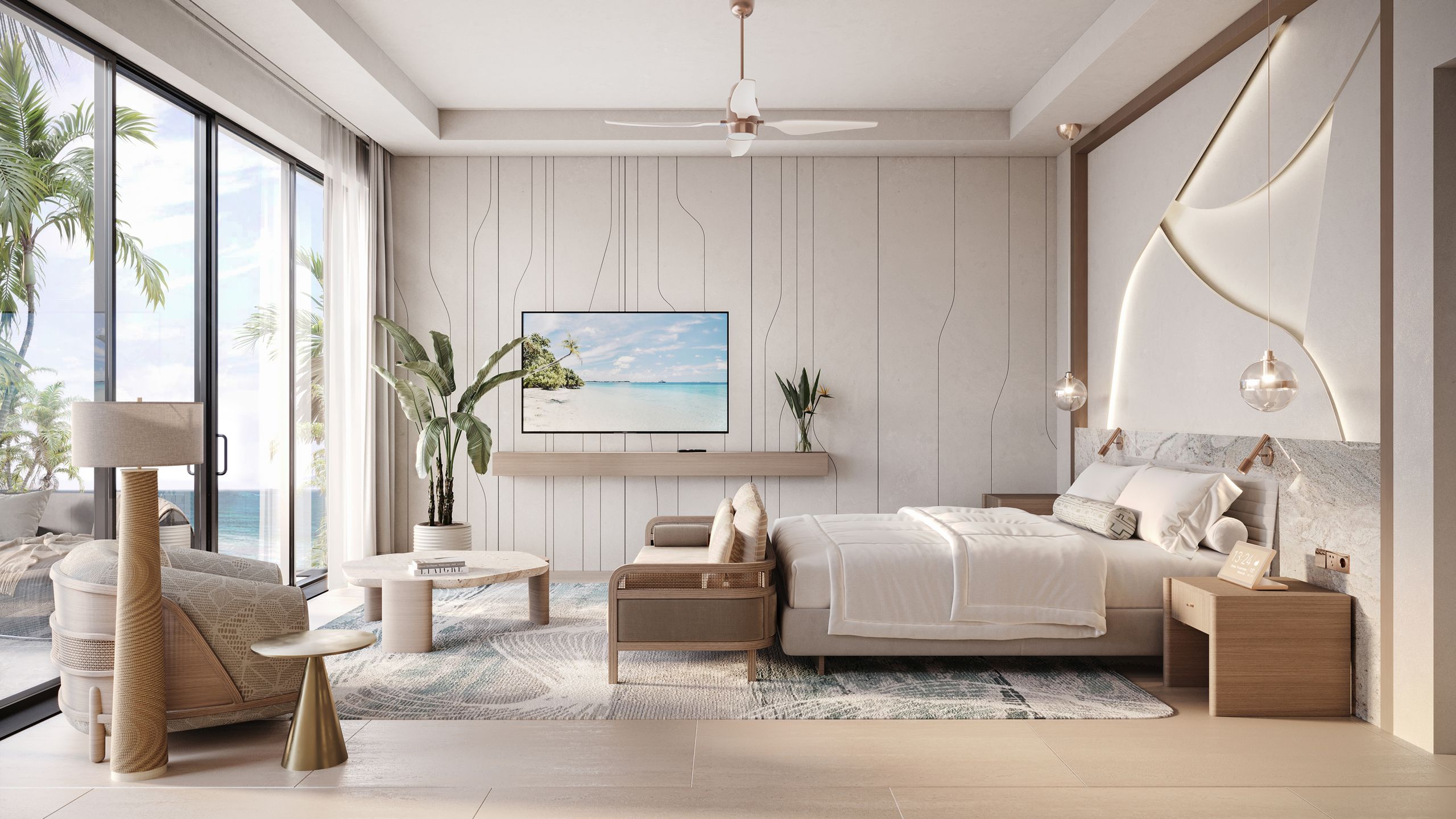
Sense of place is what makes an interior feel real. A connection to the surroundings, to the culture, and to the people who carry a region's craft brings a project to life. Where the work allows, we draw on the materials of the region and the craftspeople who hold its heritage techniques, so that what a guest touches belongs to where it is. People come to feel they belong inside the story, finding the small, unexpected details that pull them out of routine and into the place itself.
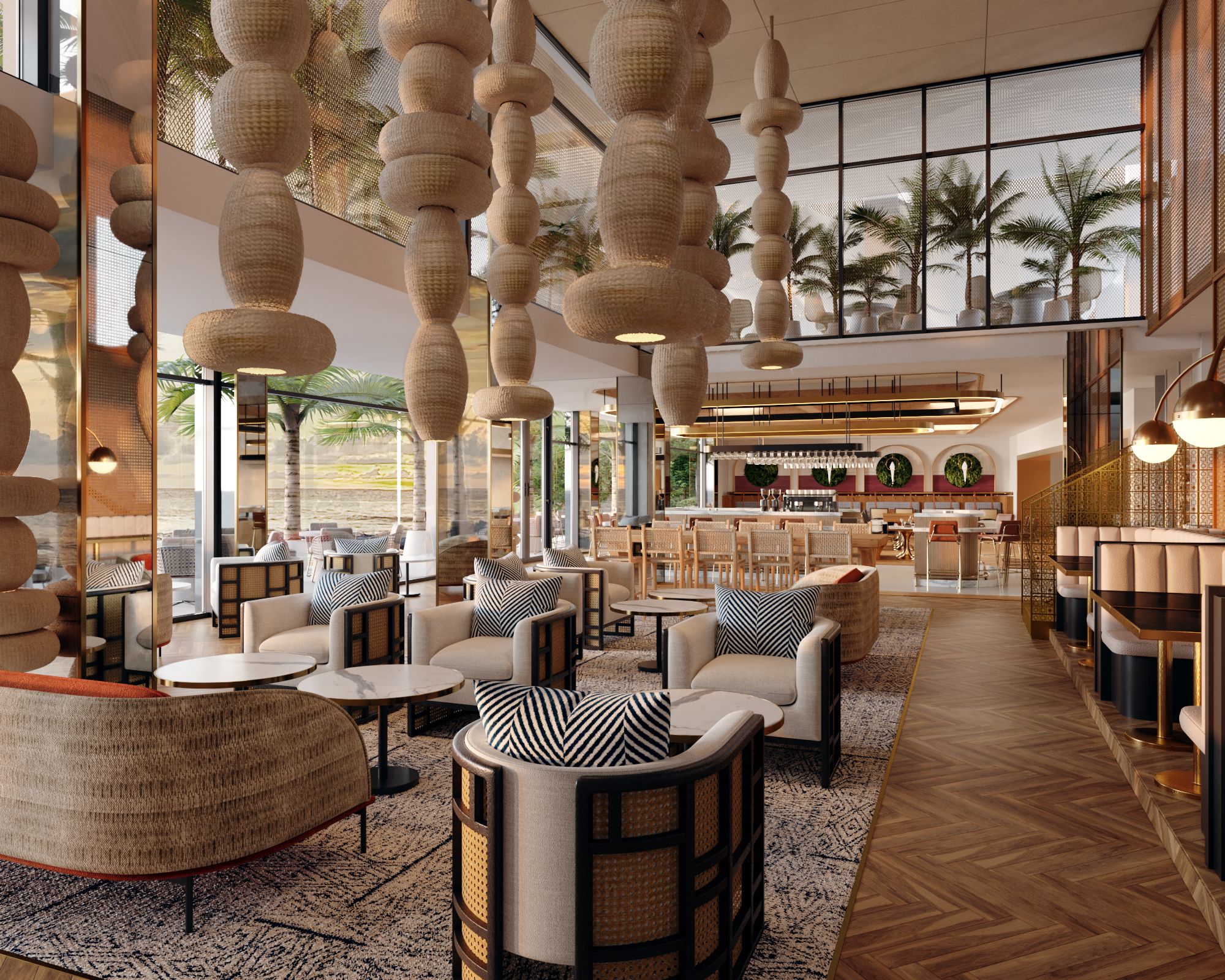
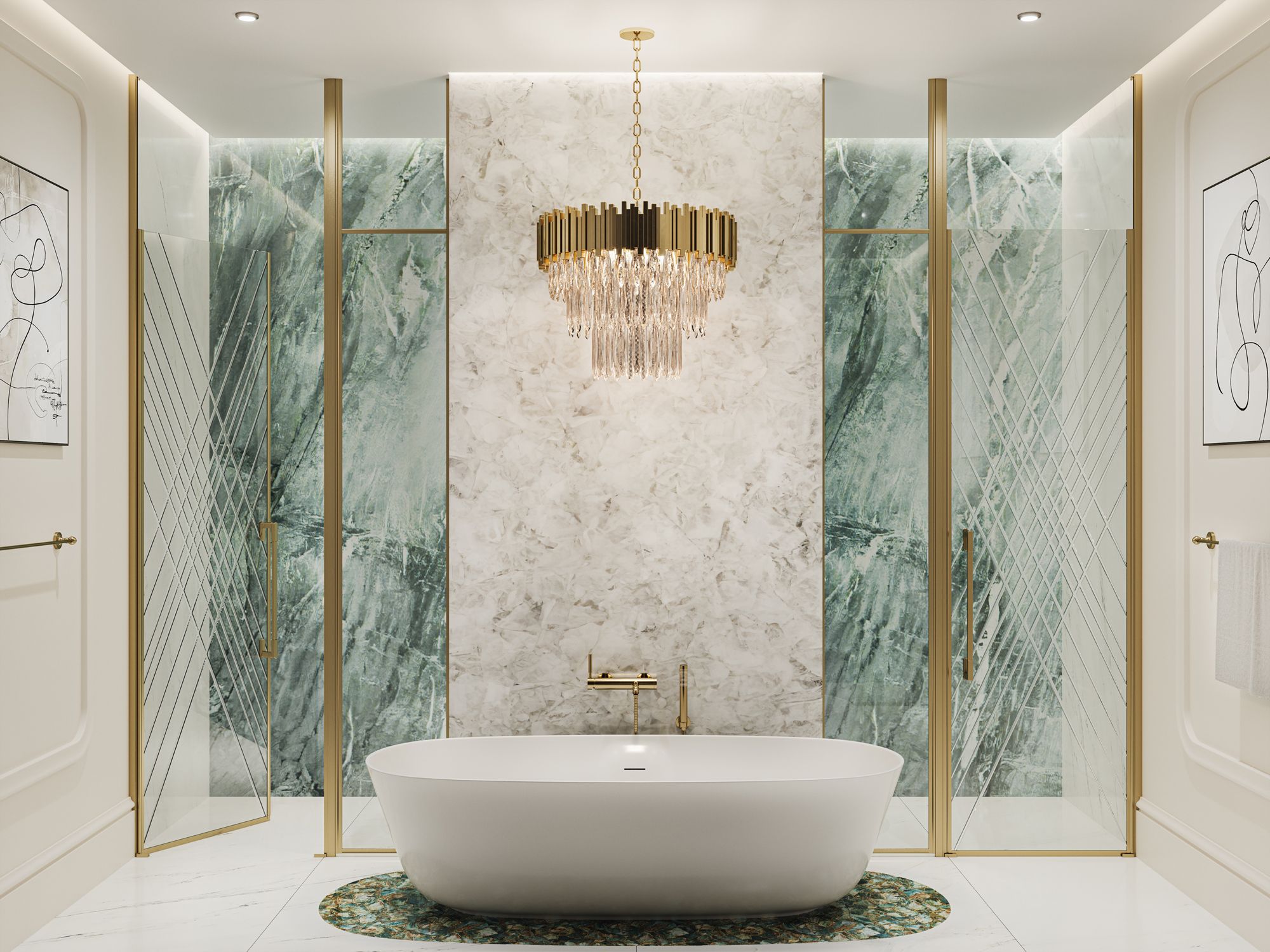
Ninety years in hospitality has taught us that every space is significant. Our interiors carry the identity set in Envisioning and the logic of the architecture into the scale a person lives at, so that a place is experienced through all the senses. As the practice moves into its second century, that instinct for the intimate scale is what we bring to every kind of project.

“The greatest compliment an interior can receive is that it feels as though it has always belonged there. Our role is not to impose, but to reveal the identity of a place, creating spaces that could exist nowhere else.”
Wiktoria Kopycka,
Design Director, Interior Design
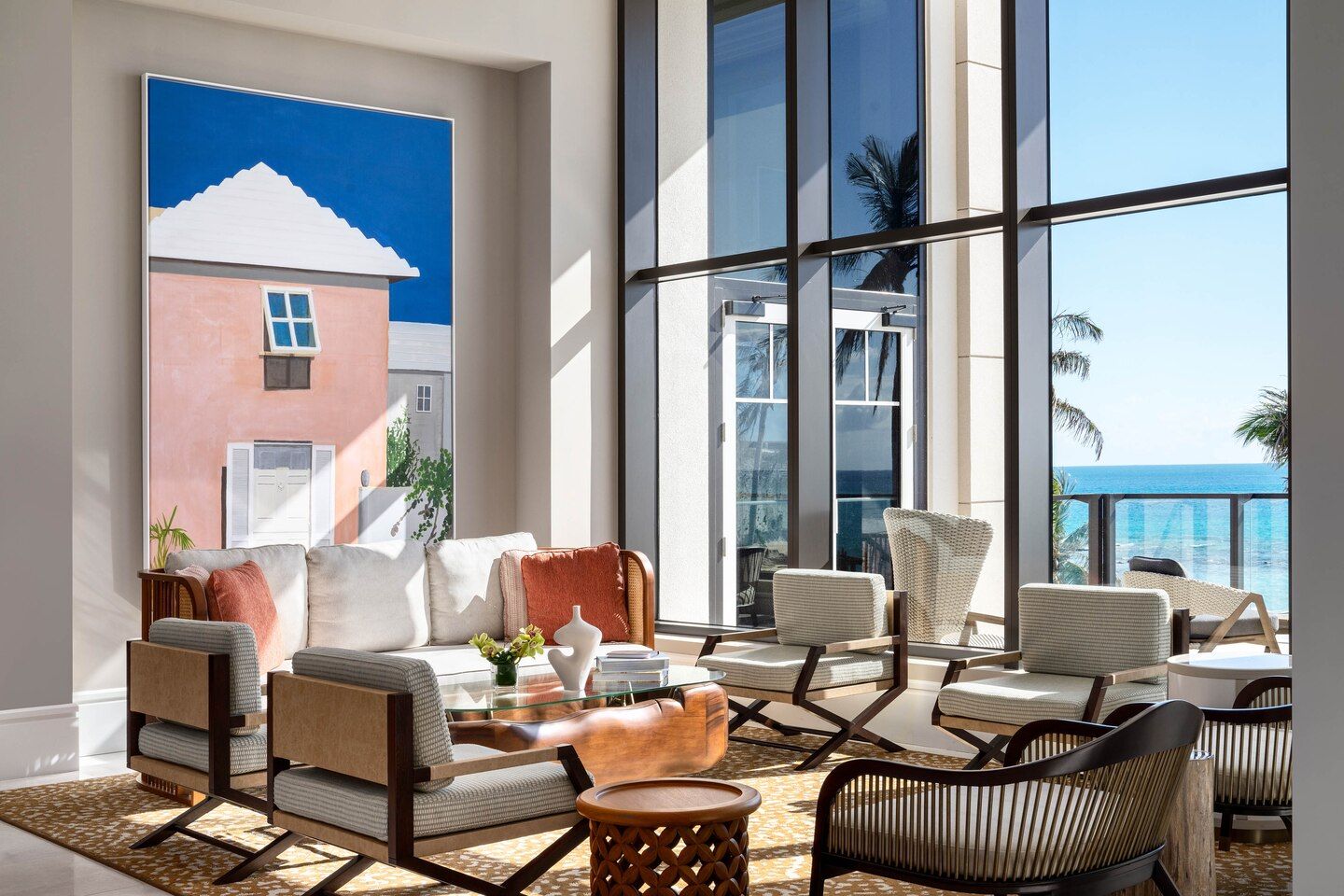
What we do
OBMI works by project typology rather than by sub-discipline. It matches how developers and operators engage us, and it keeps Interior Design a single, cohesive practice rather than a set of fragmented services.
Hospitality
Resort Hotels
Urban Hotels
Branded Residences
Wellness
F&B
Residential
Luxury Residential
Residential Communities
Experts
- Maud CapetAssociate Principal, Interior Design
- Wiktoria KopyckaDesign Director, Interior Design
- Orlando Cacut, Jr.Senior Lead Designer, Interior Design
- Jacqueline Tan CoSenior Lead Designer, Interior Design
- Erica FornaraSenior Lead Designer, Interior Design
- Alexander CruzLead Technical Designer, Interior Design
- Katherine Ebona Lead Technical Designer, Interior Design
- Hazel FernandoLead Technical Designer, Interior Design
- Mark HebresLead Technical Designer, Interior Design
- Novita Hisole-TanLead Technical Designer, Interior Design
- Essraa ShaabanLead Designer, Interior Design
Selected work
Amanie at Qasr Al Sarab
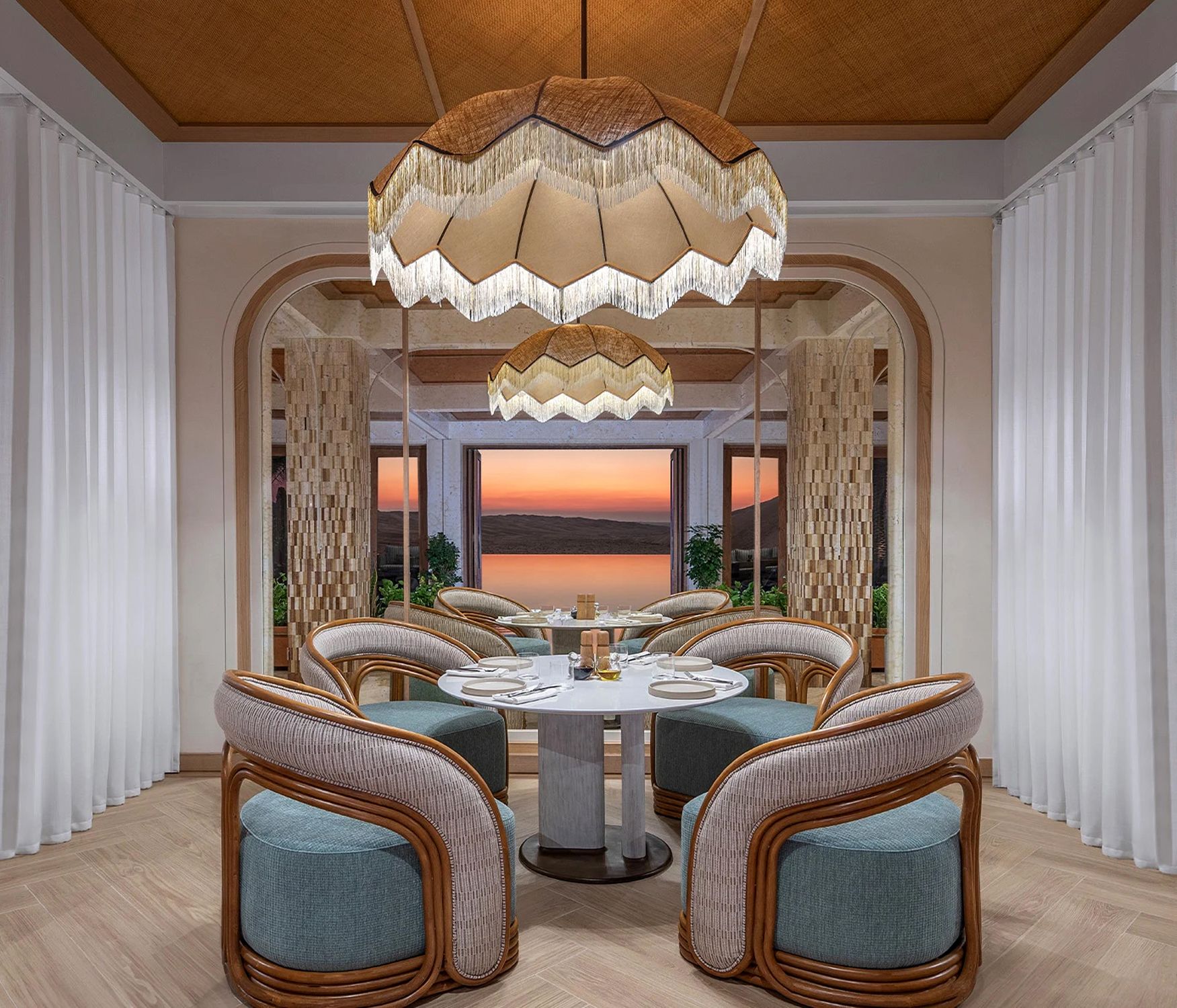 Interior DesignAbu Dhabi, United Arab Emirates
St. Regis Bermuda
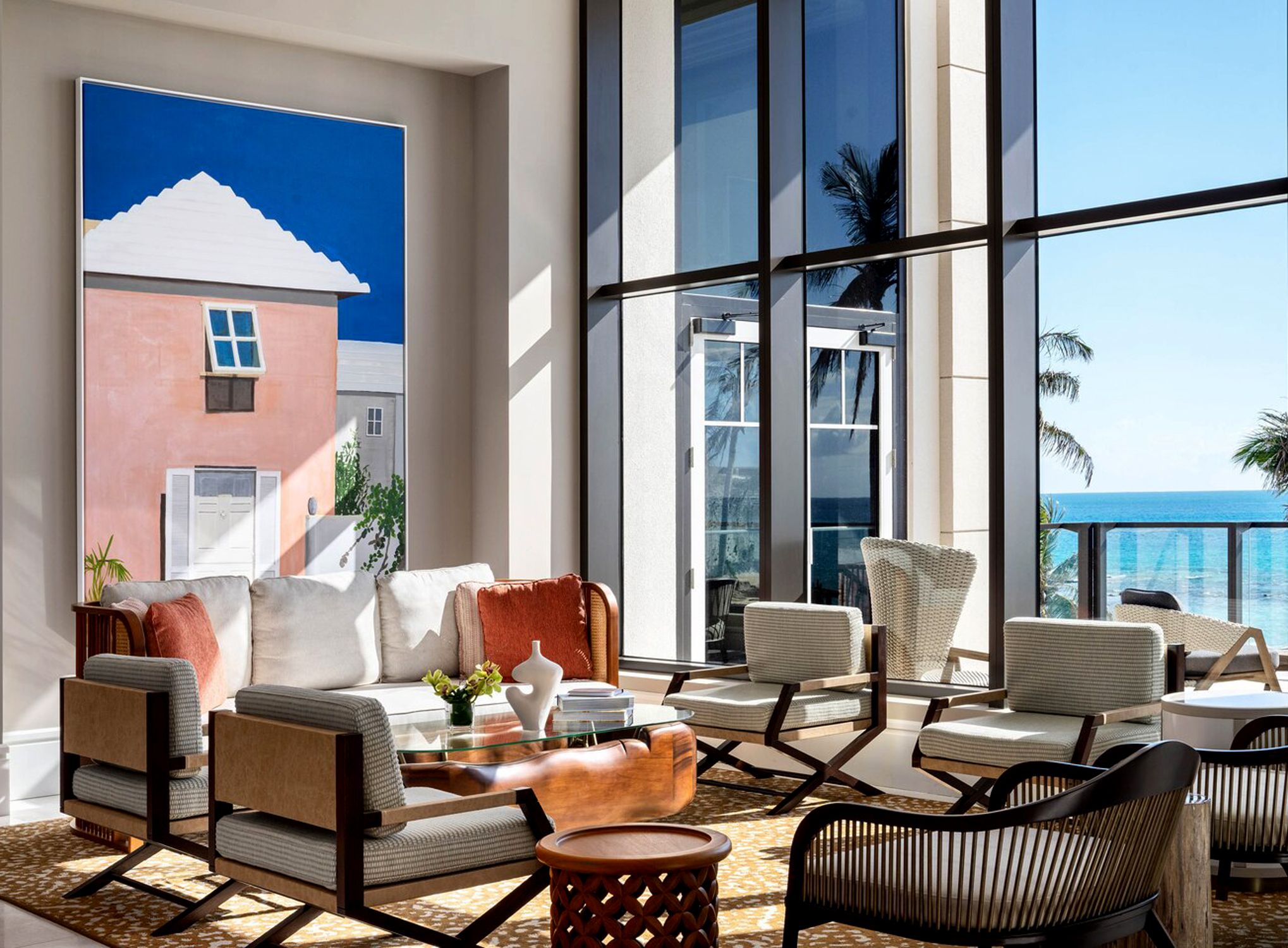 Master Planning, Architecture, Interior DesignSt George’s Parish, Bermuda
St. Regis, The Residences
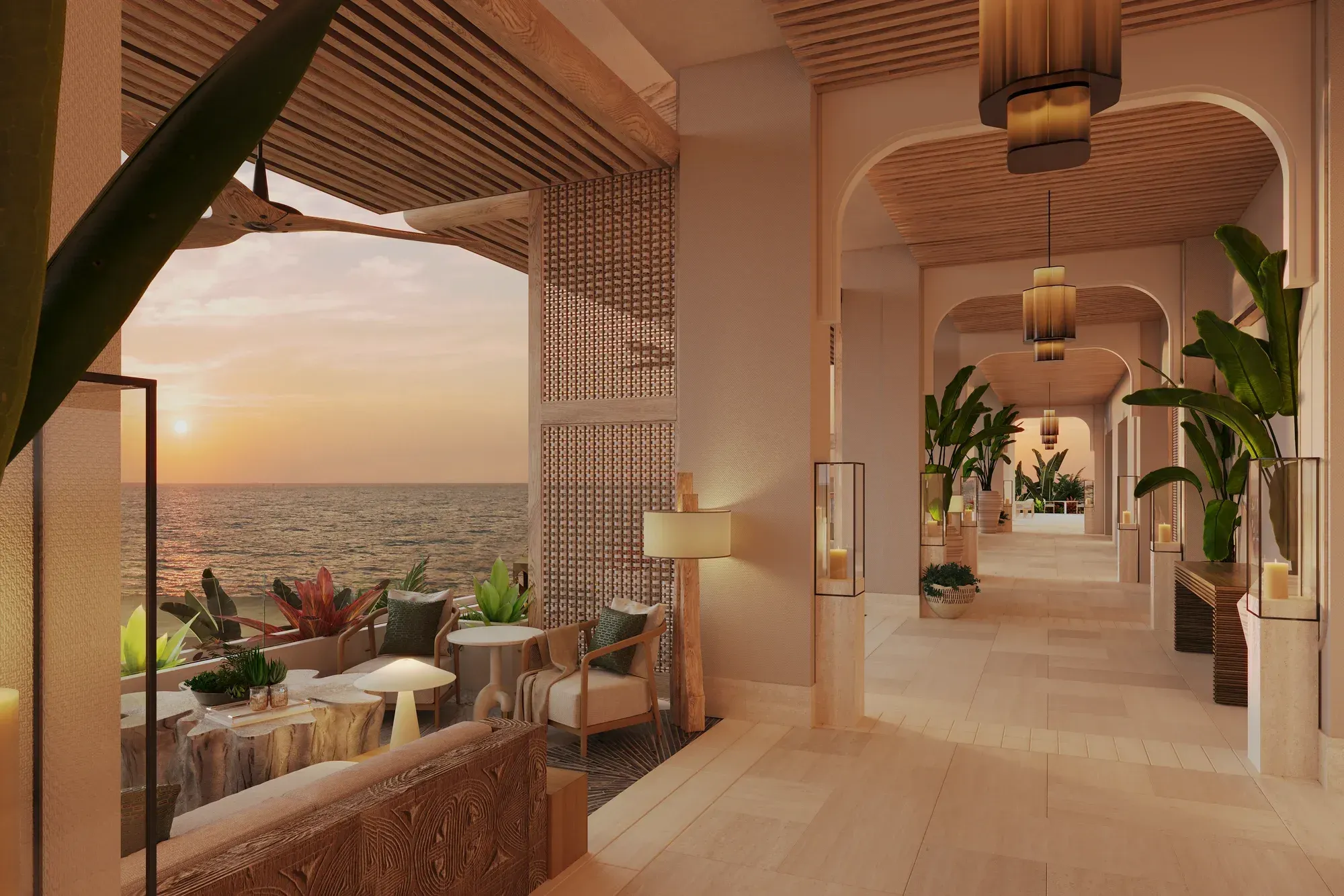 Interior DesignGrace Bay, Providenciales, Turks and Caicos
Al Hamra Palace
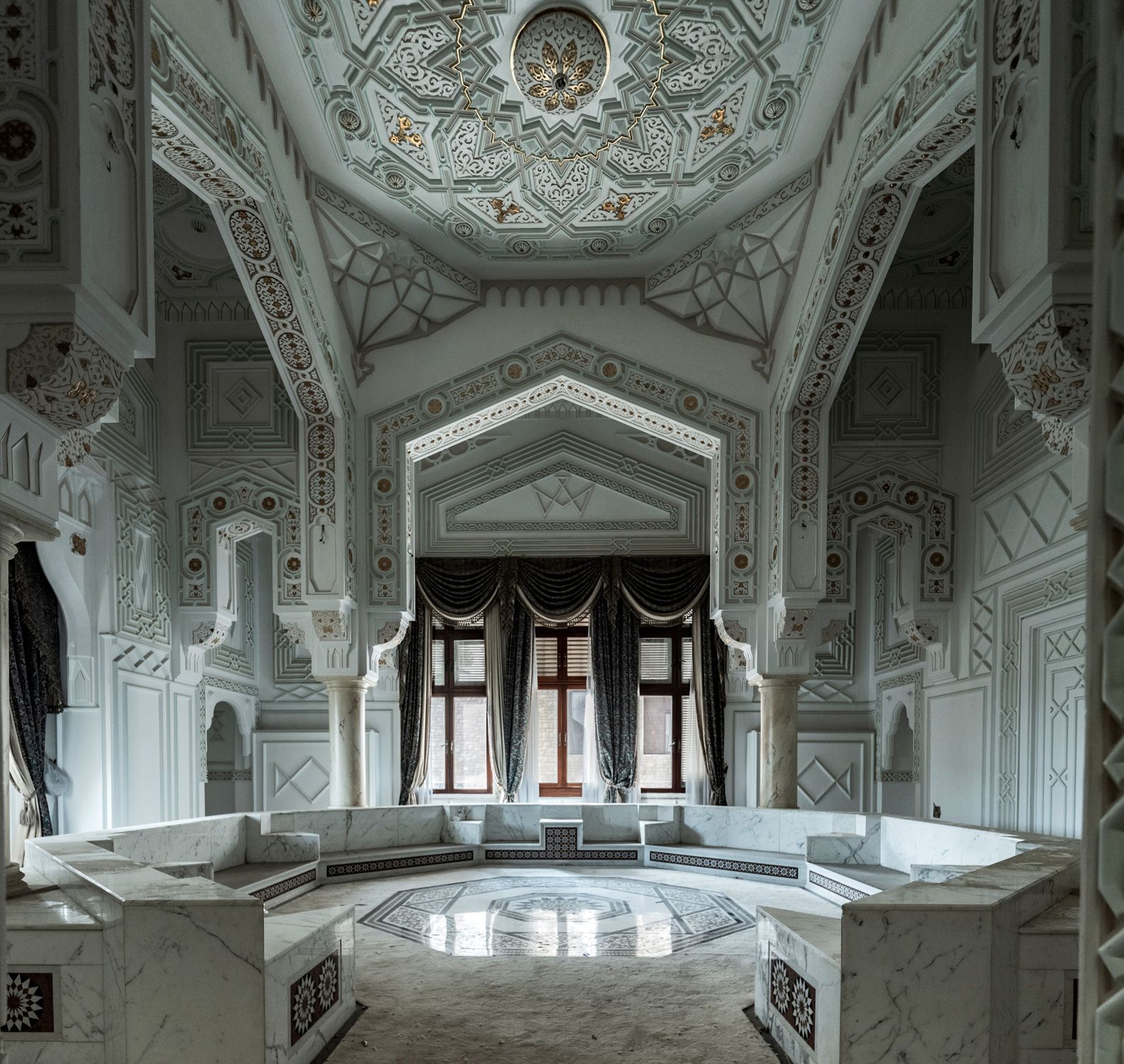 Architecture, Interior Design, Master PlanningJeddah, Saudi Arabia
Up next
Sustainability & Wellness
Responsible design and human wellbeing, treated as one.
Explore