Strategic Advisory
The earliest decisions determine everything that follows.

The most consequential decisions in any project are made before there is anything to design. Which site, program, or brand, and whether to build at all: these questions shape everything that comes after, and the cost of getting them wrong compounds at every stage.

“Strategic advisory starts by understanding what success means to the client. Our role is to test that ambition against the market, the place and the realities of delivery, then turn it into a clear vision that can guide every decision that follows.”
Paul Boldy,
Associate Principal, Hospitality
Strategic Advisory is how OBMI works alongside developers, investors, and operators, when the choices with the greatest influence are still open, often before a site has been selected or a brief fully defined. Rather than presenting a recommendation and stepping back, we work through the decision with the client.
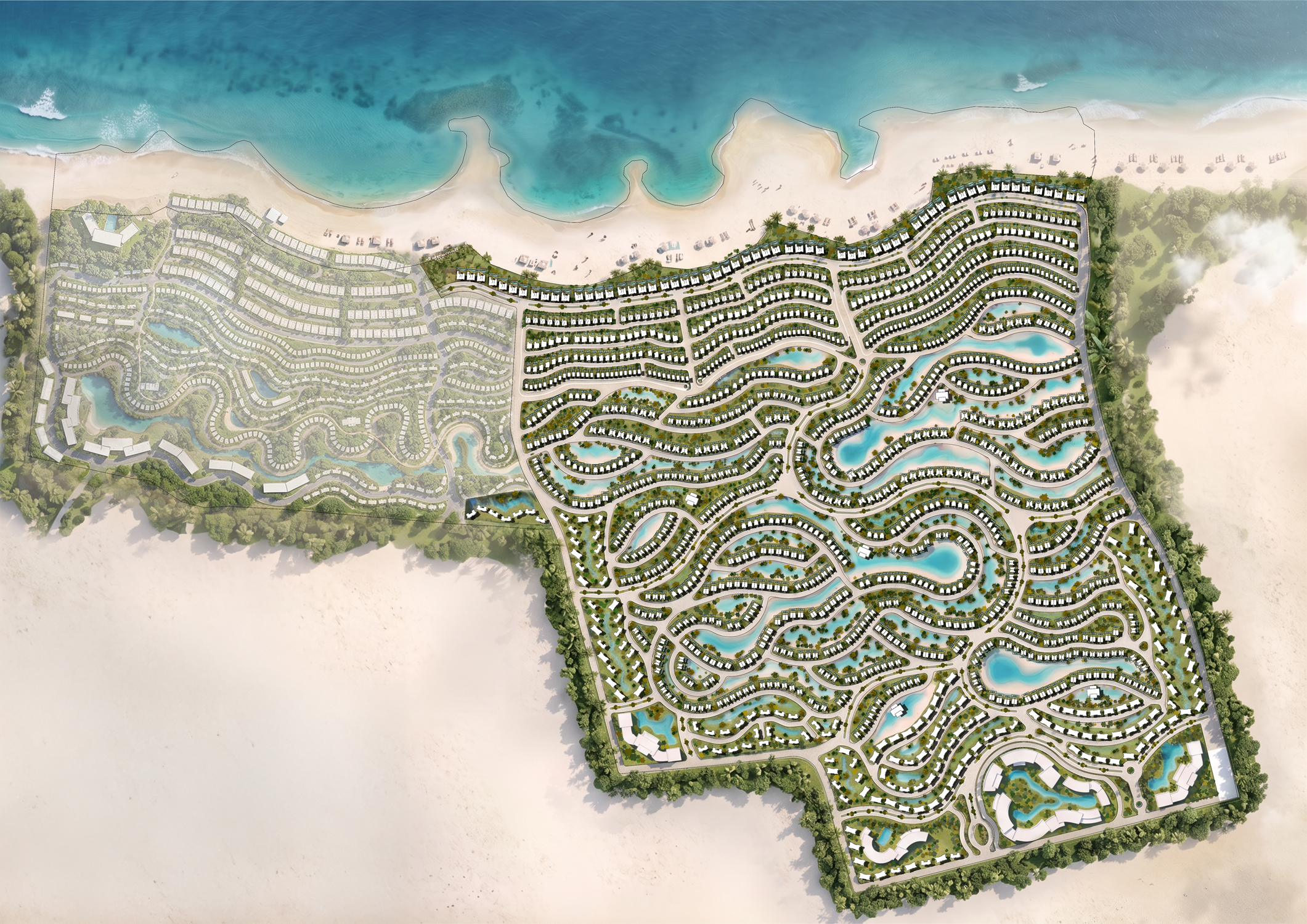
This is collaborative, data-led work. The questions we ask have been refined over decades, and the answers direct what analysis should follow. We weigh ambition against what the market and place can realistically support, comparing opportunities and considering the commercial, operational, and design implications. For existing assets, we help determine whether the greatest value lies in retaining, repositioning, or reimagining what is already there.
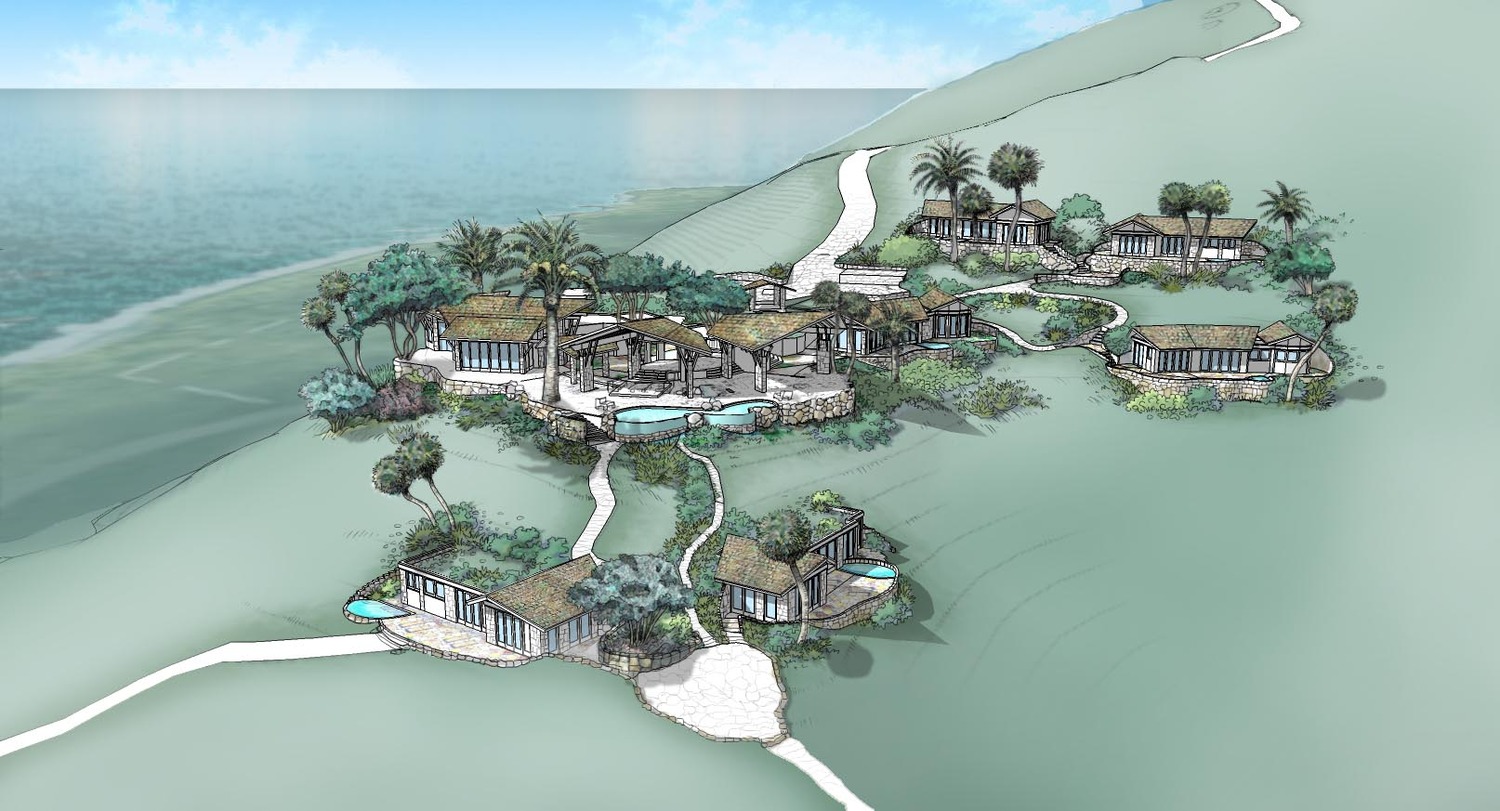
What makes our approach different is that design thinking is present from the outset. Our designers sit alongside the advisory team from the first conversation, testing whether the vision can become a compelling guest experience, a coherent brief, and a realistic program. This connection between strategy and design means a project's intent is built into its foundations rather than added later.
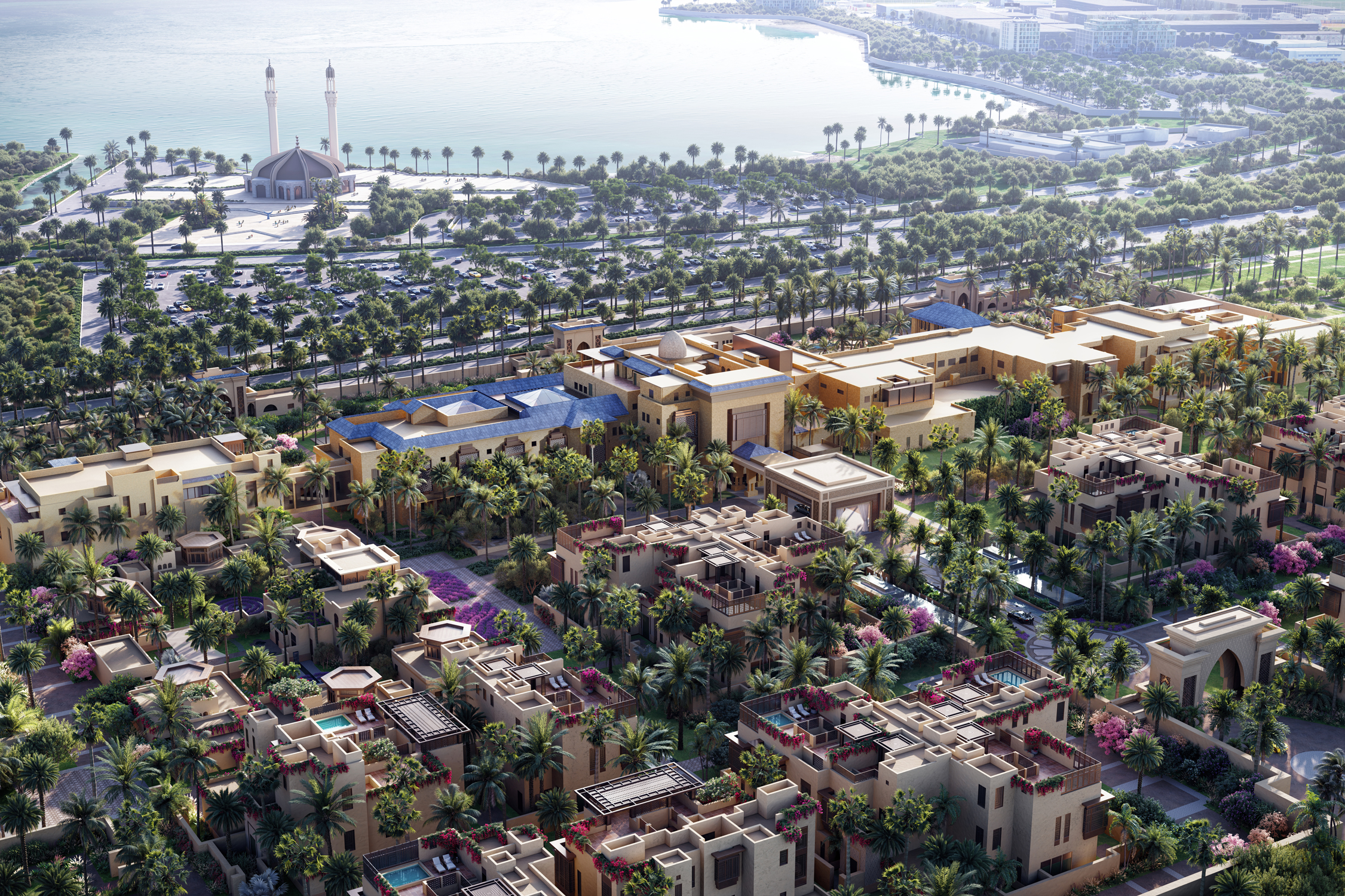
Nine decades of hospitality have taught us to see early whether a project will hold together or quietly come apart. A client leaves with a clear report, along with drawings or renderings, and, critically, a decision they can defend, because they made it alongside us.
What we advise on
- Development Strategy
- Defining the ambition, purpose and measures of success.
- Site Assessment
- Evaluating individual sites or comparing development opportunities.
- Market and Guest Insight
- Understanding demand, audiences, behaviors, and competitive context.
- Feasibility
- Testing key assumptions, development options, program, and financial potential.
- Concept and Positioning
- Establishing a distinctive, relevant, and commercially credible proposition.
- Brand and Operator Alignment
- Identifying the brand or operating model best suited to the opportunity.
- Programming and Brief Development
- Translating the vision into the right mix of spaces, experiences, and uses.
- Asset Repositioning
- Determining how an existing property can be retained, adapted, or reimagined.
- Stakeholder Alignment
- Creating a shared vision and a clear basis for the decisions that follow.
- Design Strategy
- Ensuring the vision, brief, budget, and design intent are aligned before design begins.
Experts
- Paul BoldyAssociate Principal, Hospitality
- Tareq El ZayatChief Executive Officer, EMEA
- Doug KuligChief Executive Officer
- Liora HaymannPrincipal
- Andrés OsorioAssociate Principal, Hospitality
Selected work
Up next
Envisioning
Where the identity and story of a place are defined.
Explore