Where golf meets hospitality
- Jamie WebbAssociate Principal
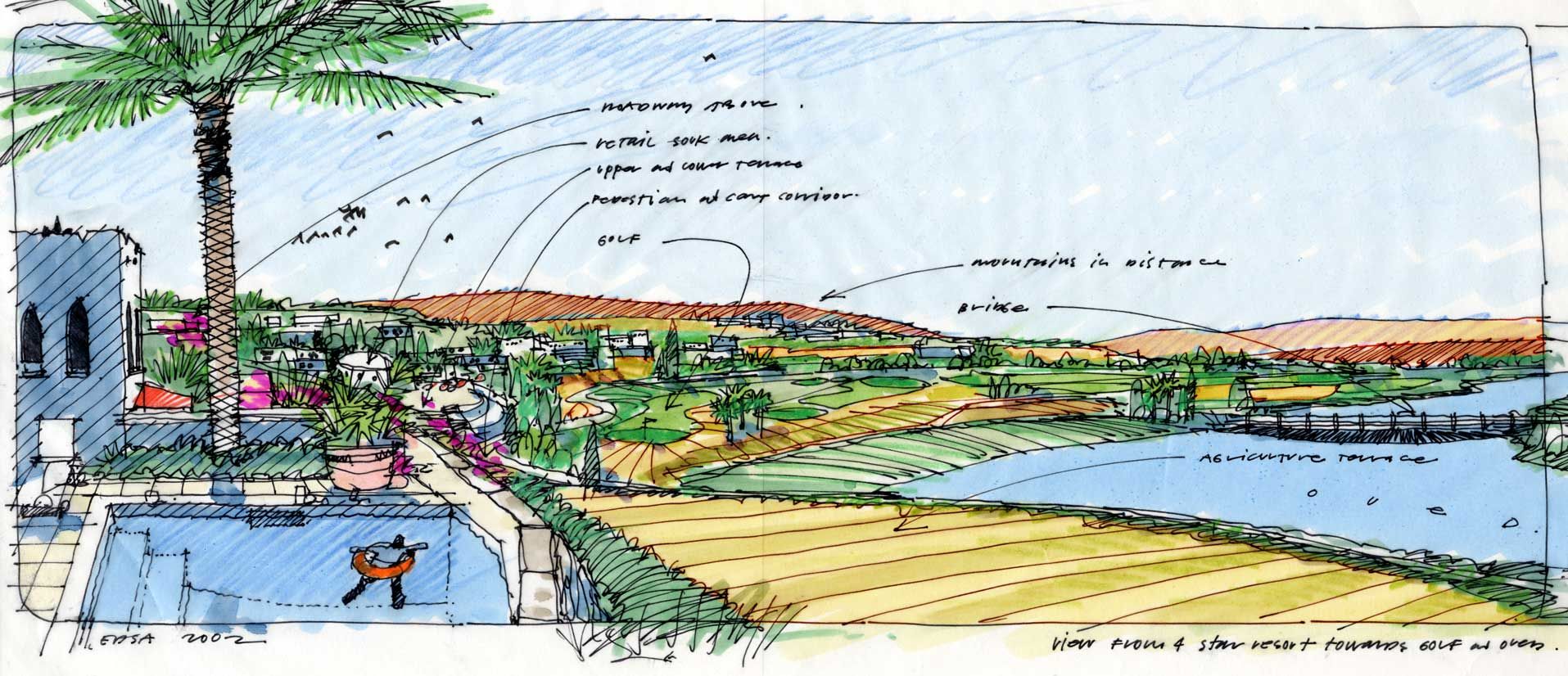
Golf is in better health than it has been for a generation—the participation numbers below make that plain—and yet that is not the same as saying a course will carry a resort through the year. The venues taking the largest share of current demand have built something around the round. The ones struggling tend to be a decent course attached to a tired everything else, and the gap between the two is widening.
A game in demand
The participation numbers point somewhere specific.
- Outside the US and Mexico, the R&A counted 112.2 million adults and juniors playing in 2025, up 4.2 million in a year.
- 47.1 million of those are juniors, and juniors contributed 3.2 million of the growth.
- 68.3 million play off-course formats: simulators, ranges, venues such as Topgolf, indoor golf. Among adults playing those formats, 53% are women.
- Women are 34% of adult participants across all formats.
- Registered club membership has grown to 8.7 million, up 16% since 2020, though it is now the smaller part of the picture.
- In the US, the National Golf Foundation puts total participation at 48.1 million, up 50% in a decade. 29 million of those play on a course, an eighth consecutive year of growth, and national rounds played set another all-time record.
Read together, two things stand out. Growth is coming from juniors, women, families and off-course play rather than from traditional membership. And a great many new golfers now meet the game somewhere other than the first tee, which means their expectations are set by a hospitality and entertainment venue before they ever book a round. They arrive at a club already knowing what good service, decent food, and a well-made room feel like.
Development is following. More than 500 course projects are in planning or construction across 88 countries, around half of them in the US, where more than half the pipeline is private. US facilities spent an estimated $3.1 billion over the past year on discretionary capital investment, covering the course itself along with clubhouses, infrastructure, technology, and amenities. That is a lot of money moving through estates that were mostly designed for a narrower idea of what golf was for.
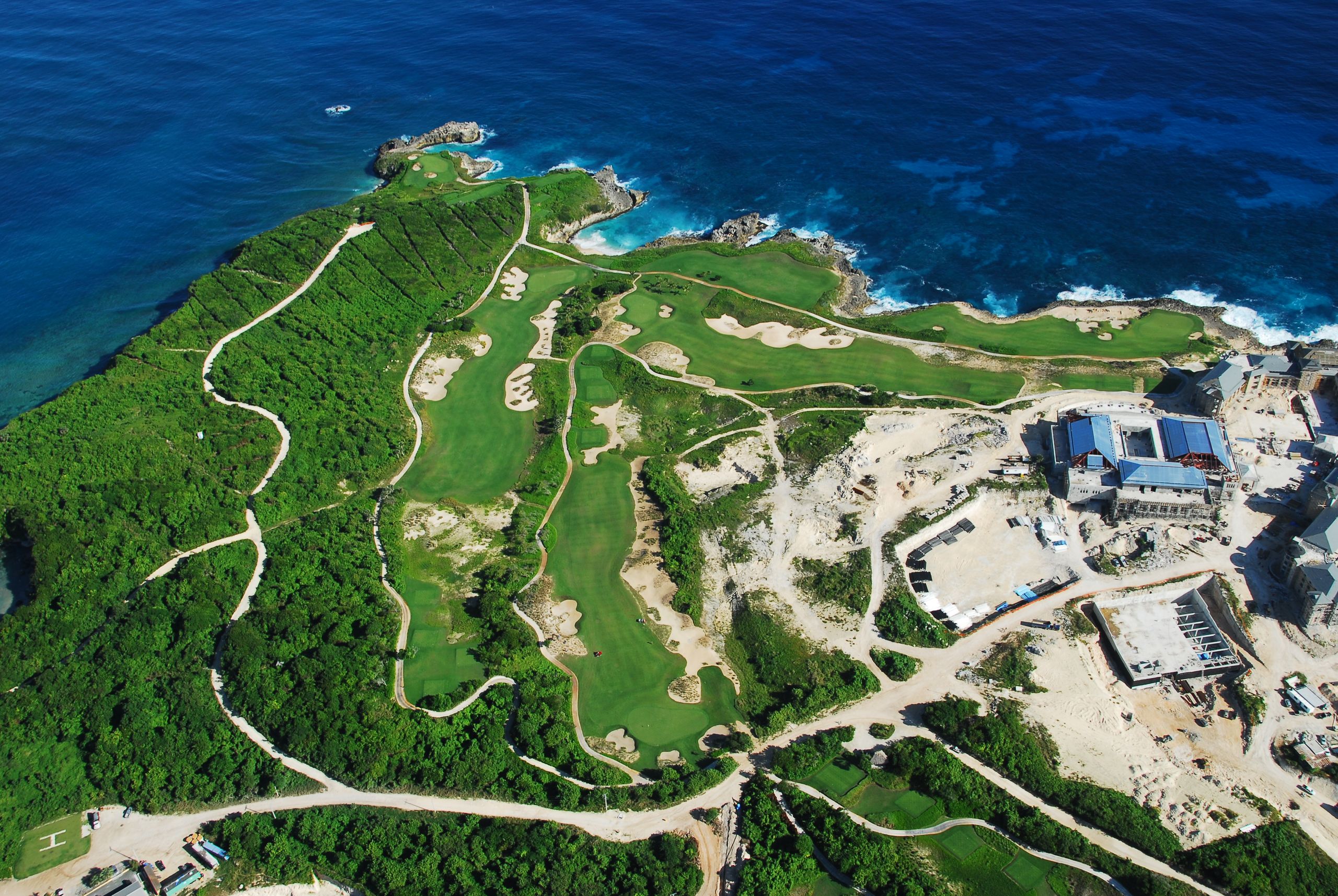
Reinvesting existing estates and clubs
A good number of established clubs and resort courses are dated in a particular way. The course has usually been looked after. The clubhouse has not, and it tends to be single-use, poorly oriented, and busy for four hours a day in summer.
Where courses are being re-routed, restored, or modified, there is a short window to look at the whole estate rather than the holes alone. Renovation has become a strategic exercise: restoring classic architecture, adding short-game and practice hubs, and bringing in simulators and range technology that give the place something to sell in January. Owners are asking how the estate earns across the day and the year, from conference and events through to country club and leisure use.
The transactions we see at the top of this market usually pair golf with hotels, where the value sits in connecting the experience across the estate while keeping golf at its centre.
New courses, new communities
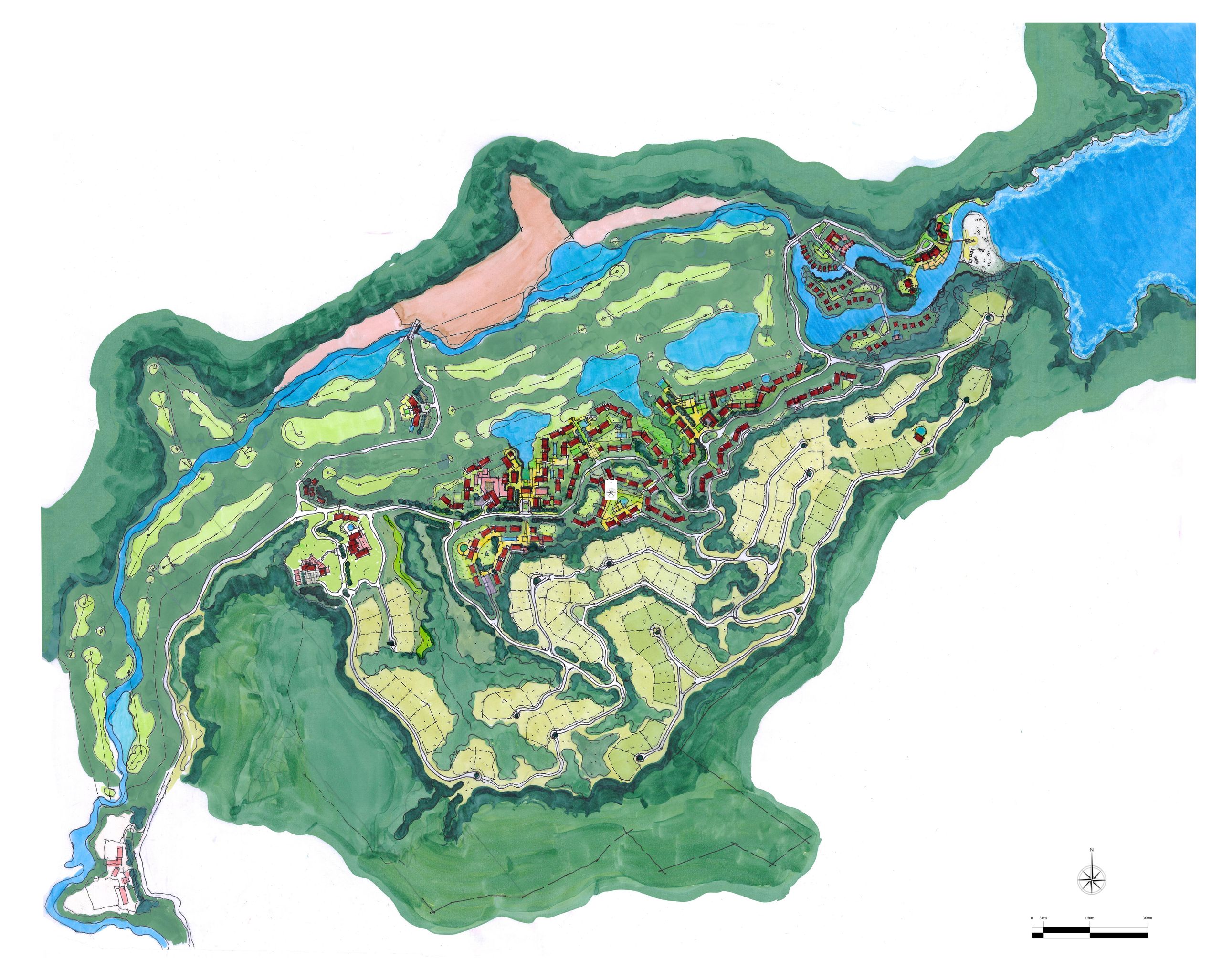
New-build golf is increasingly the anchor of a wider master plan, with residences, a hotel, spa, wellness, dining, and retail around it. That is most pronounced in newer markets where a community is being established rather than extended.
The commercial logic is reasonably clear. Golf drives land value and brand, and hospitality drives daily use and recurring revenue, which is why sweating every part of the asset is now normal practice rather than an unusual request. Research by European Tour Properties, published in 2018 across nine resorts in Europe, the UAE and Asia, found homes inside golf resorts selling at around a 19% premium to equivalent properties outside, with a further 9.5% for a course view. The finding I keep coming back to from that study is that 67% of those owners were not golfers at all. They were buying the landscape, the privacy and the way of life that the course creates.
At the top of the market that way of life is the product. Dubai gives the clearest recent illustration: a villa at Jumeirah Golf Estates sold for AED 110 million, around US$30 million, in a deal reported in August 2026, nearly double the previous record in that community.
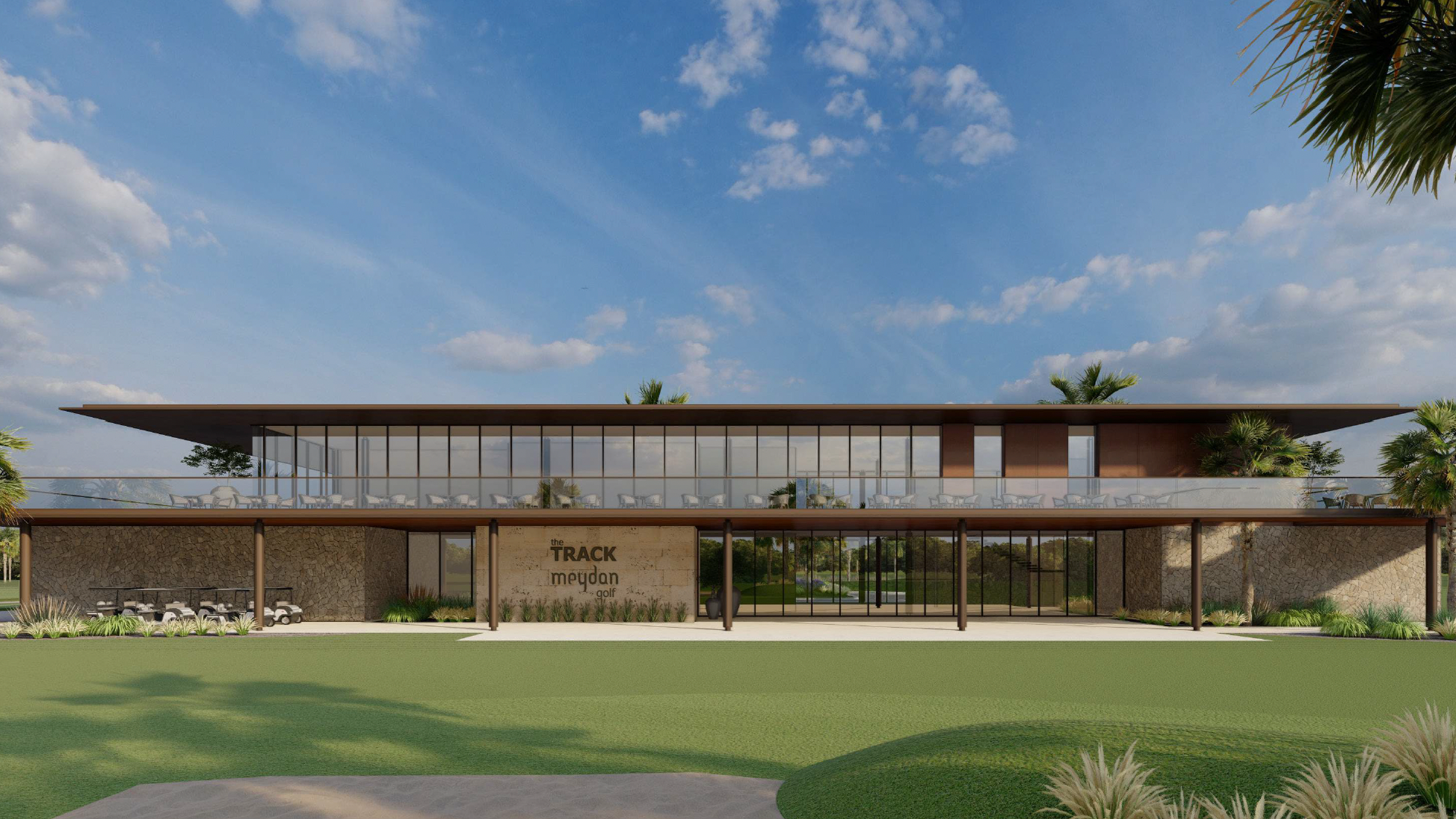
How we approach it
At OBMI, golf stays at the centre of the design and shapes every decision around it, but what has changed is the brief. Most projects now ask us to design the whole experience, from first impression to the 19th and beyond, bringing together other sports, the guest journey and overlays such as tournament hosting. We are seeing blended models of leisure, fitness and food mixing with golf to create something more destination-led, and we are seeing clubs work much harder to engage juniors, families and a wider audience.
Six themes run through that work at the moment, and describe how we think about an estate from the master plan to the 19th, rather than a sequence to be worked through.
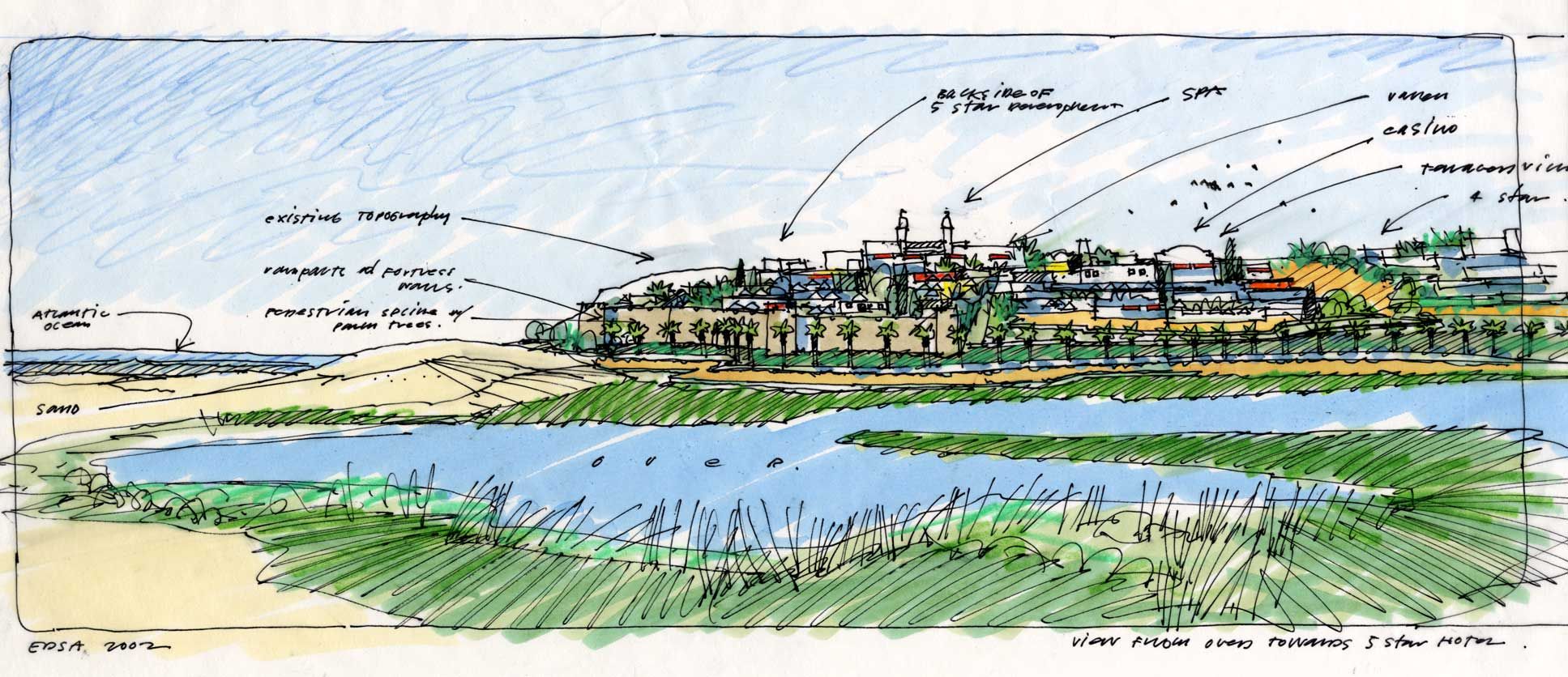
1. Golf at the heart
Every decision starts with the golfer. Hospitality amplifies the game and should never dilute it.
- Protect the integrity of play. Pace, routing, practice facilities and conditioning come first, and the specific demands of operating and maintaining a golf facility sit underneath all of it. [Jamie, your original bullet here mentioned "compactness" alongside the operational overlay. I have left it out because I was not certain whether you meant compact routing or a compact building footprint. Worth putting back in your words.]
- Design for the full spectrum: championship players, members, beginners, juniors and visiting guests. Space that works for families is now expected rather than exceptional, and partnerships and alliances are helping clubs reach wider audiences while generating revenue and awareness.
- Treat practice and learning as a destination in their own right, through academies, performance studios, fitting and short-game areas supported by technology.
- Use technology that serves the game lightly: simulators, data, booking and on-course tools. Manufacturer partnerships make the pro shop a stronger commercial proposition.
Get the golf right and everything else has a reason to exist.
2. The course as the setting
The course is the stage for everything else, so the architecture, the landscape and the routing have to be planned as one piece of work.
- Master plan first. Position the clubhouse, hotel, residences, and amenities around views, sun paths and the flow of play, and resolve access, arrival and the service overlays for buggies, walking and leisure at the same time.
- Let the architecture belong to its landscape through materials, scale and form that answer to the place.
- Use the landscape as experience. Approach roads, planting, water and walking routes can reveal the course gradually, and open it up in places to people who are not playing.
- Treat stewardship as brand value. Water, biodiversity, habitat and low-carbon construction now sit in the brief, and LEED, BREEAM, WELL and GEO certification are increasingly written into it from the start.
- Plan for phasing, so residences, facilities and future uses can be added over time. [Jamie, this bullet trailed off at "We look to avoid". I have read it as avoiding early-phase decisions that foreclose later ones, which fits the rest, but it should be your sentence.]
The best golf destinations feel inevitable, because the course, the architecture and the land were designed together.
3. The golf journey, from arrival to the 19th
The round is one chapter of a longer story, and every touchpoint either builds the experience or breaks it.
- Arrival. The drive in, the first view of the course, bag drop and a personal welcome. In larger integrated clubs, separating arrival matters a great deal, particularly where a hotel or country club shares the estate.
- Preparation. Locker rooms, pro shop, range and putting green as calm, confident warm-up spaces. Gyms for pre and post-round work are now standard, as are steam, sauna and recovery areas.
- On the course. Halfway houses, comfort stations, signage and service moments that surprise. On a larger estate these can double as spaces for hire, set within the landscape.
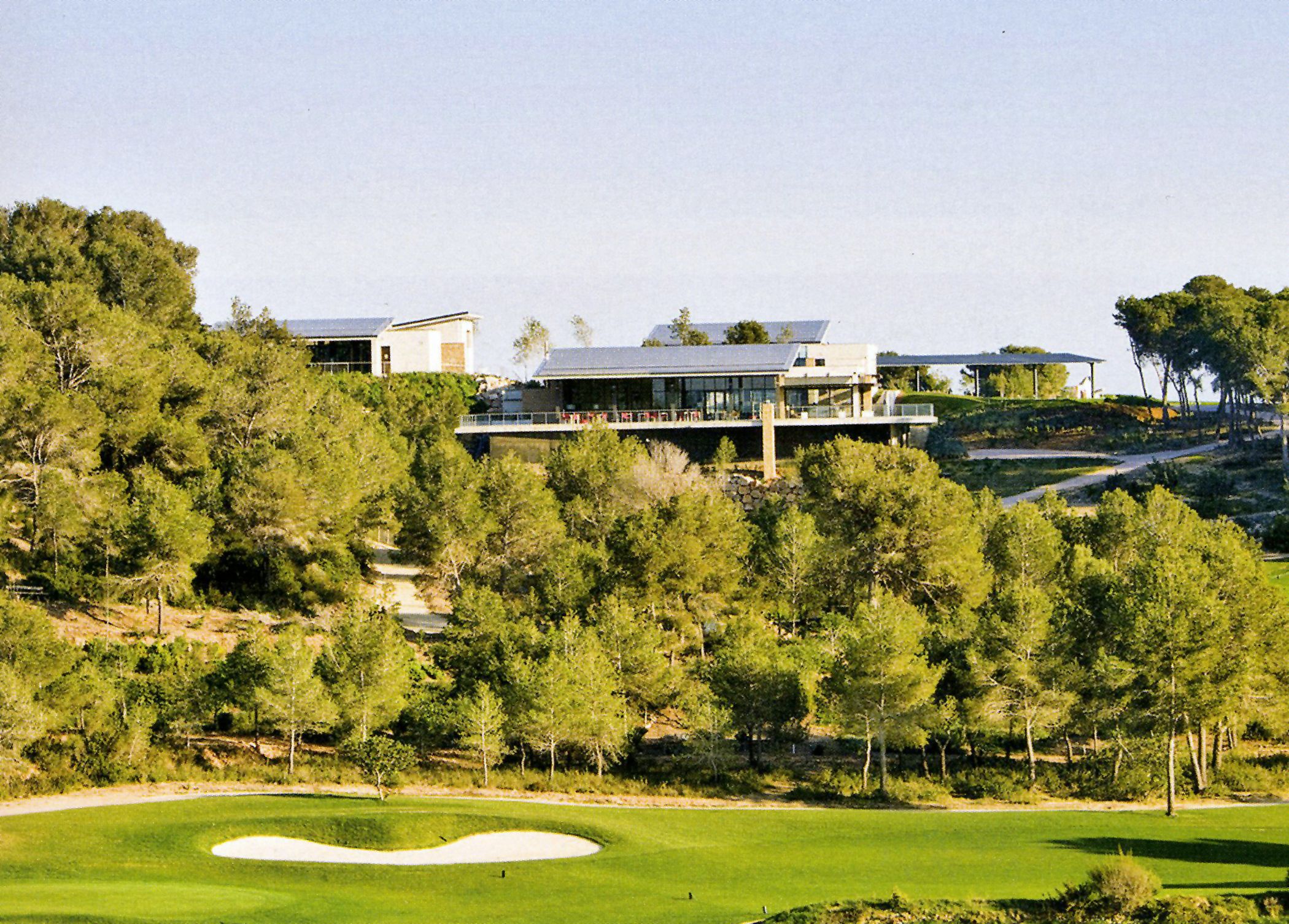
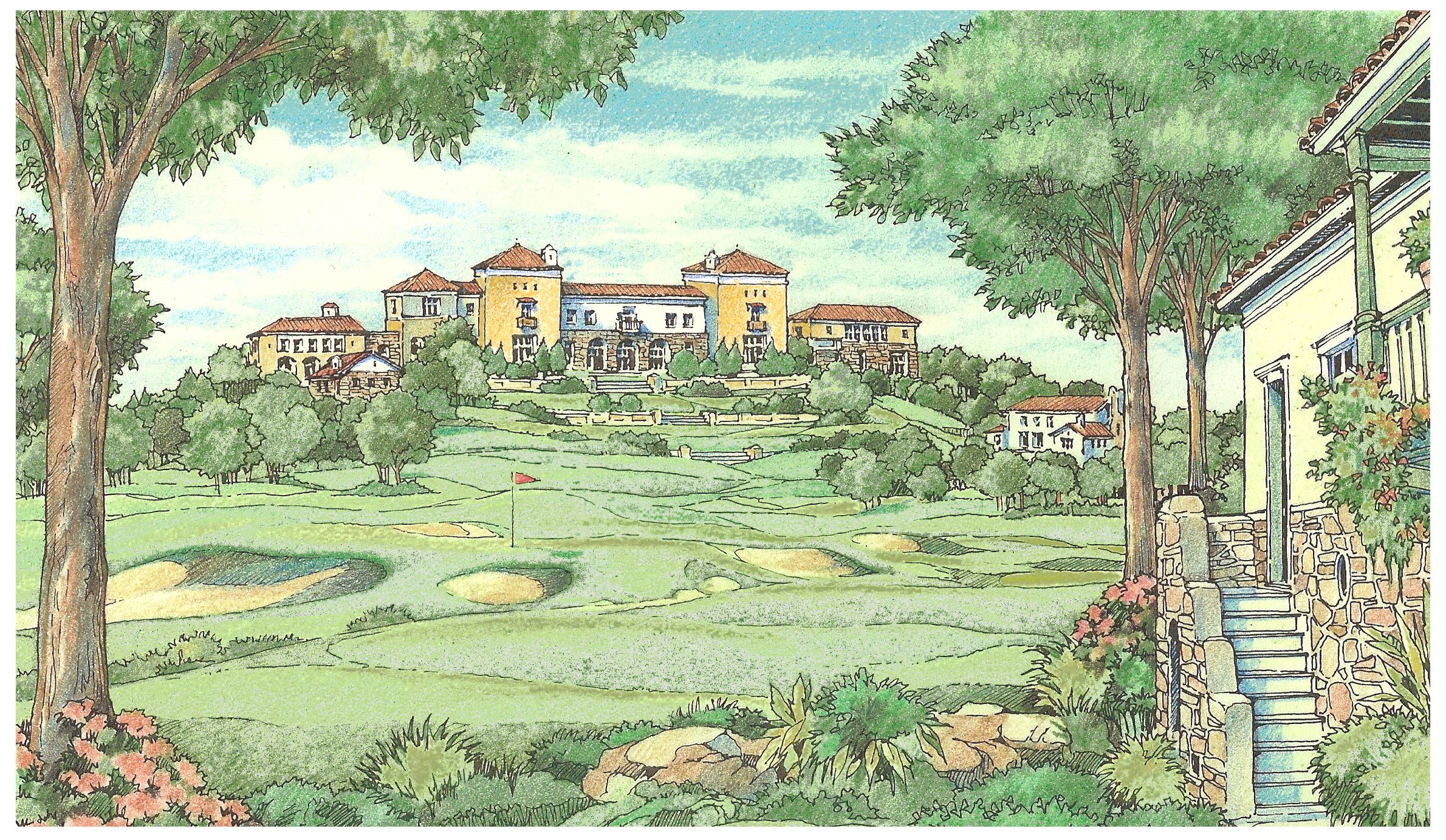
- The 18th green. A natural amphitheatre and a sense of occasion at the finish. Working closely with the course architect is critical here, to site the clubhouse and its amenities in the right relationship to the closing holes and the practice ground.
- The 19th. Terraces, bars and dining that invite golfers to stay on rather than head for the car park. Orientation to sun, shade and the golf is what makes these spaces, and they carry private hire, weddings and parties.
- Back of house. Service routes that keep the operation invisible, with discreet parking, delivery yards and a separate golf operations route.
The day is what we are choreographing, and the round is one part of it.
4. The hospitality overlay
Hospitality is what turns a golf course into a place people choose to spend time, whether they play or not.
- Stay. Lodges, suites and hotel keys that extend a round into a weekend, on site or within the estate.
- Eat and drink. Destination dining alongside casual all-day spaces and terraces that draw non-golfers from breakfast through to dinner. Within a community these become the social hub.
- Wellness. Spa, fitness, recovery and treatment aligned to golfer performance, using technology and equipment that complement a traditional gym rather than repeat it.
- Family and partners. Kids' clubs, pools, racquet sports, walking and cycling trails. This is the country club model, which is hospitality-driven at its core.
- Service culture. Hotel standards of service applied to the club, from staff training through to personalisation.
Design for the whole party, not just the four-ball.
5. Making the clubhouse work harder
A clubhouse used only by golfers in daylight is an underperforming asset. The aim is all-day, all-year, all-audience use.
- Flexible space that moves from breakfast club to business meeting to evening event.
- Revenue beyond the subscription: weddings, corporate days, tournaments, tiered memberships, co-working.
- Food and beverage strong enough to be a draw in itself, open to the local community as well as to members.
- Seasonality designed for, through covered terraces, indoor golf and wellness that hold the venue up in winter.
- Right-sized operations, with efficient back of house, shared kitchens and sensible staffing.
The clubhouse should earn its place every hour it is open.
6. The new golf destination
The leading golf destinations are becoming communities with a story, where golf is the reason to arrive and everything else is the reason to stay.
- Experience. Signature moments such as sunset loops, night golf, chef's tables on the course and cultural programming.
- Community. Membership models, residents, events and clubs within the club that create belonging.
- The unexpected. Art, music, local craft and nature that make each visit feel different from the last.
- Branded residences. Golf as the anchor of a way of life that owners buy into.
- Longevity. Places designed to evolve with changing guests, generations and ways of playing.
Golf opens the door. Experience and community are what create loyalty.
Beyond the course
Demand for golf is at record highs, and guests now judge a destination by everything around the round: the arrival, the table, the spa, the story they take home. For owners, operators and developers, this is a good moment to look again at the proposition. Is your estate working all day, all year, and for every guest, golfer or not?
At OBMI we start with the place and the people who will use it, then shape the strategy, master plan, architecture and interiors around what we find.

Jamie Webb, Associate Principal
Jamie Webb leads OBMI's London studio, shaping narrative-led design strategies across hospitality, residential, and mixed-use projects. With nearly two decades of experience in Europe, the Middle East, and Asia, he is particularly interested in hospitality as a driver of community and regeneration.
Recent Field Notes
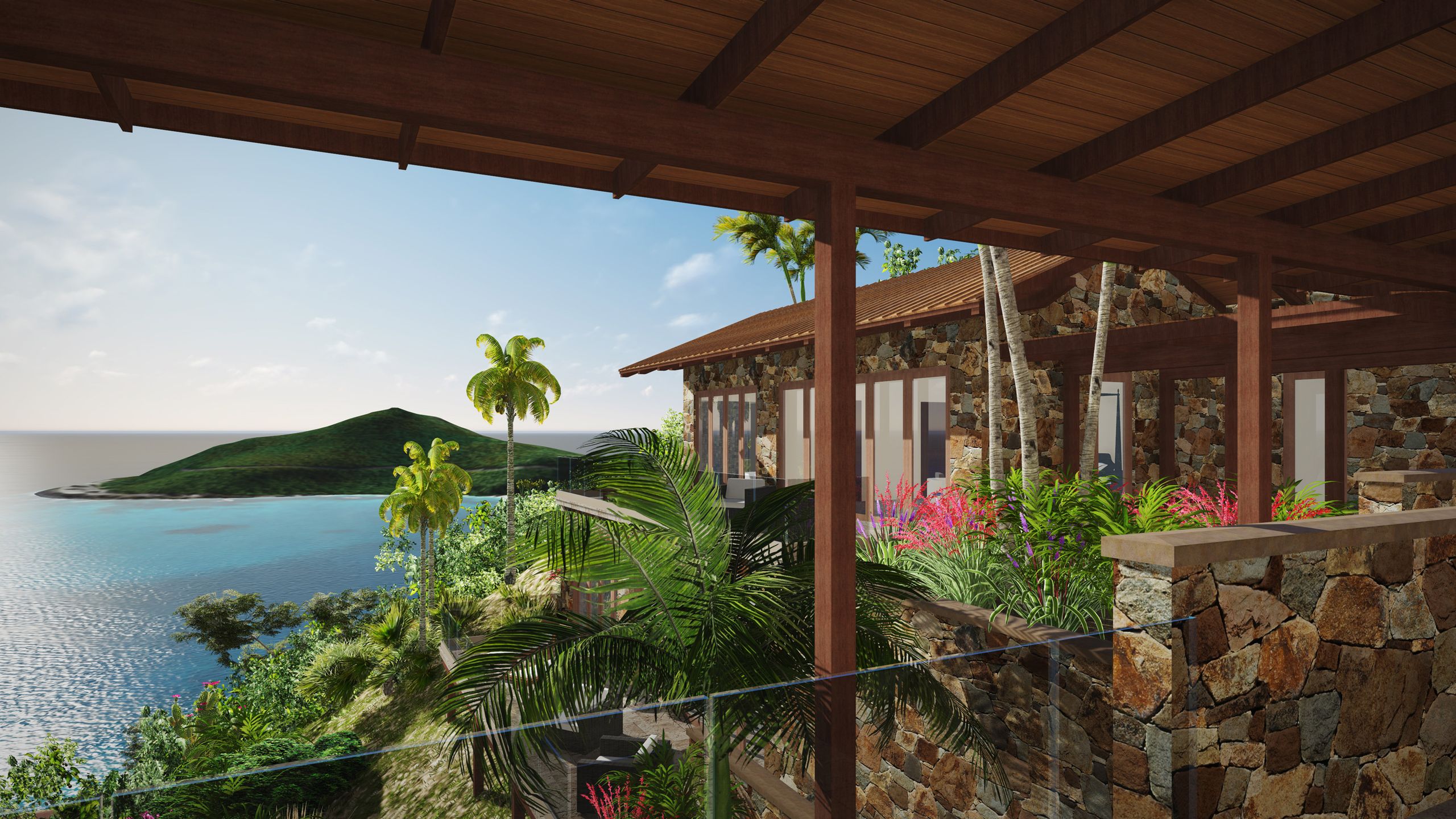
Biophilic Design Is the Ultimate Holistic Approach to Home Wellness
The Biophilic Design stands as the ultimate approach to home wellness, and OBMI is happy to present arguments explaining why. Continue here to learn more.
Luxury, Sustainability, and ROI: Beach Clubs from Conception to Completion
The unique experience of designing a beach club takes a creative team to transform a destination that makes this possible...
25 Questions to Ask an Architect
Building requires many important decisions. Using these '25 Questions to Ask an Architect' could help guide you through the process.